Laser Tattoo Removal in Bradenton & Sarasota, FL
EradiTatt provides specialized laser tattoo removal in Bradenton, FL, conveniently located just off State Road 64 near I-75. Treatments are performed by owner and nurse practitioner Melissa Hoperich, FNP, who has more than six years of tattoo-removal experience and has completed thousands of treatment sessions.
Using the PiQo4 laser system with multiple wavelengths and Zimmer cold-air technology, we treat black and multicolored body tattoos, cosmetic eyebrow tattoos, microblading and powder brows. Whether your goal is complete removal or fading for a future cover-up, each treatment plan is individualized according to your tattoo, ink colors, skin type and removal goals.
Our Bradenton tattoo-removal office serves patients from Bradenton, Sarasota, Lakewood Ranch, Parrish, Ellenton, Palmetto and surrounding Gulf Coast communities. Complimentary phone consultations are available, and in-office treatments are scheduled by appointment.
Why Choose Eraditatt Bradenton / Sarasota
Patients choose EradiTatt for specialized laser tattoo removal in Bradenton and Sarasota, experienced medical care and individualized treatment plans.
- Our PiQo4 laser uses multiple wavelengths to treat black, multicolored and layered tattoo ink.
- We provide body tattoo removal, cosmetic eyebrow and microblading removal, and tattoo fading for future cover-ups.
- Every laser treatment is performed by Melissa Hoperich, FNP, an experienced nurse practitioner who has completed thousands of sessions.
- The Zimmer Cryo 6 cold-air system supports patient comfort during treatment.
- We provide clear pricing, honest assessments and complimentary consultations without pressure.
- Our Bradenton office is conveniently located near State Road 64 and I-75, with easy access from Sarasota and Lakewood Ranch.
Areas We Serve
EradiTatt provides laser tattoo removal for patients from Bradenton, Sarasota, Lakewood Ranch, Parrish, Ellenton, Palmetto, Longboat Key, Holmes Beach, Cortez, Siesta Key and surrounding Gulf Coast communities.
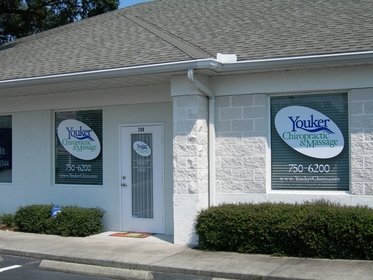
Meet Your Bradenton / Sarasota Team
Clients at this location are cared for by experienced practitioners trained in laser tattoo removal and skin health.
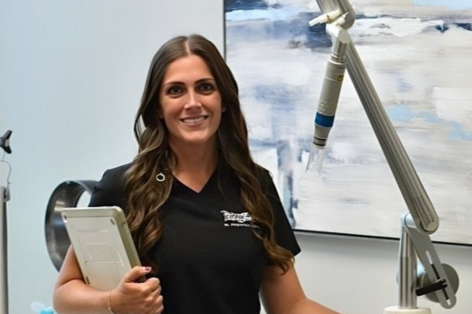
Owner and Nurse Practitioner
Melissa has more than six years of laser tattoo removal experience and has completed thousands of treatment sessions. She provides personalized, medically focused care for every EradiTatt patient.
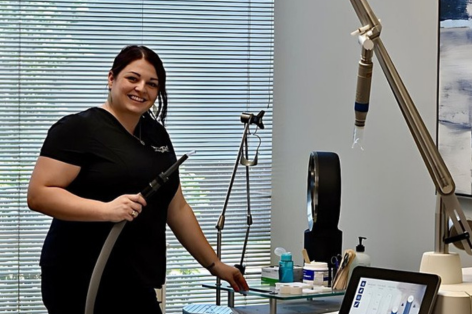
Administrative Technician
Erica supports patients through consultations, scheduling and paperwork. She also assists with Zimmer cold air and post-treatment bandaging to help every visit feel comfortable and organized.
Our team’s attention to detail and compassion means you’ll never feel rushed or judged—just supported and empowered.
Real Results from Bradenton/Sarasota Clients
The proof is in the progress. These real before and after photos show the results our Bradenton/Sarasota clients have achieved with the PiQo4 laser system.
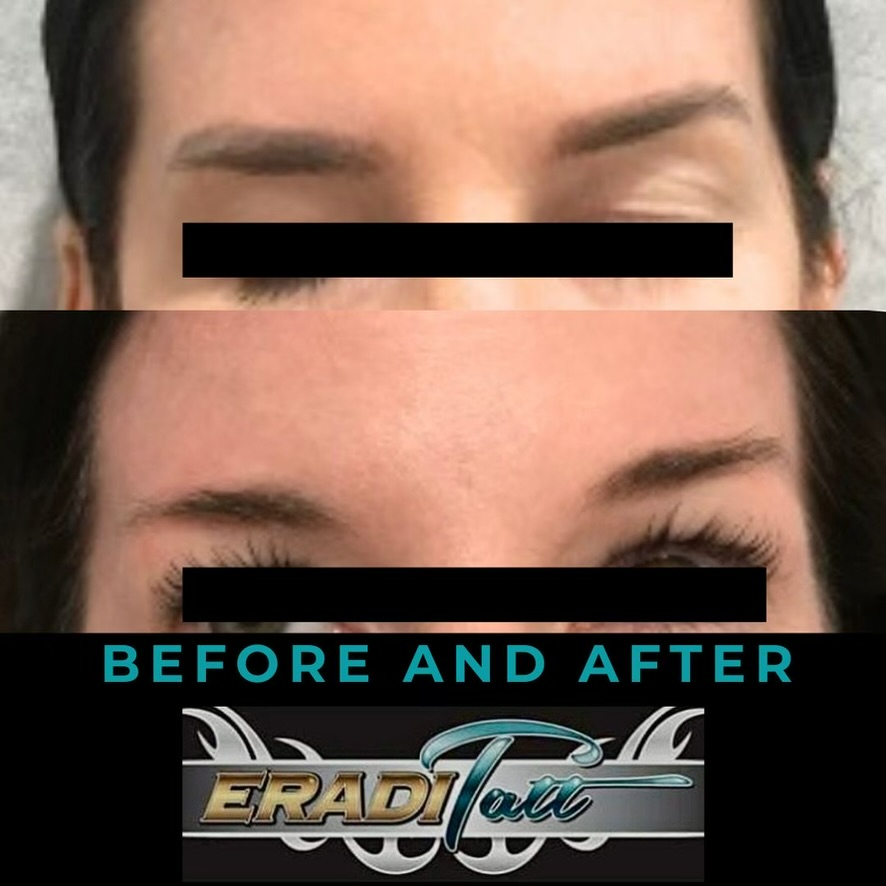
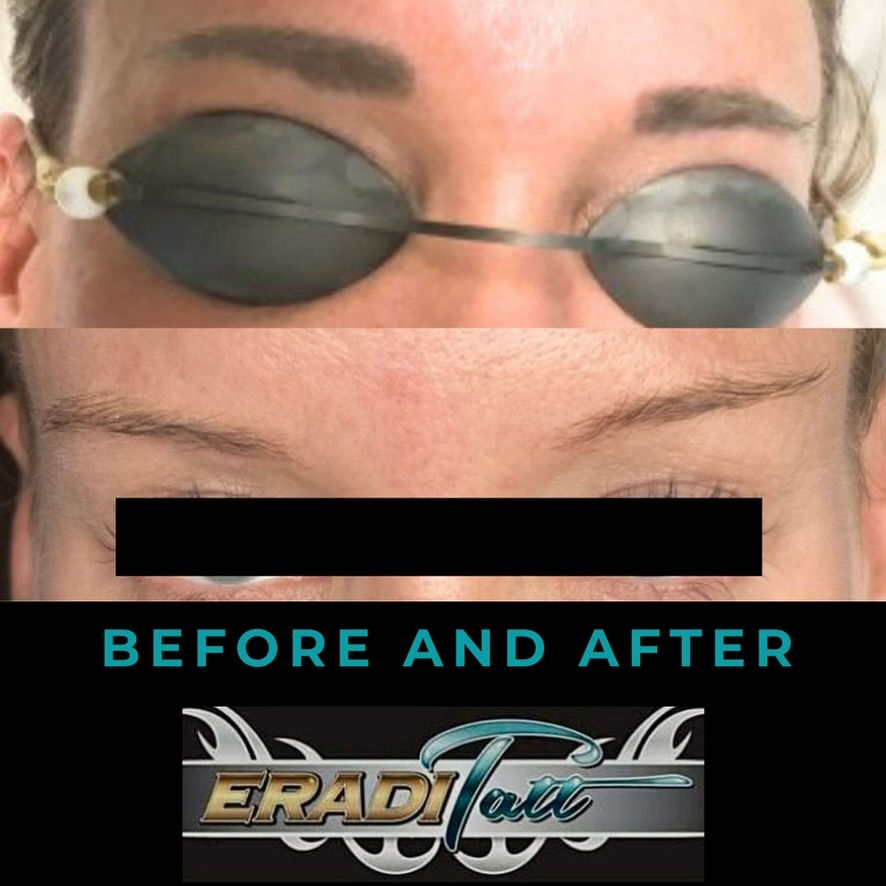
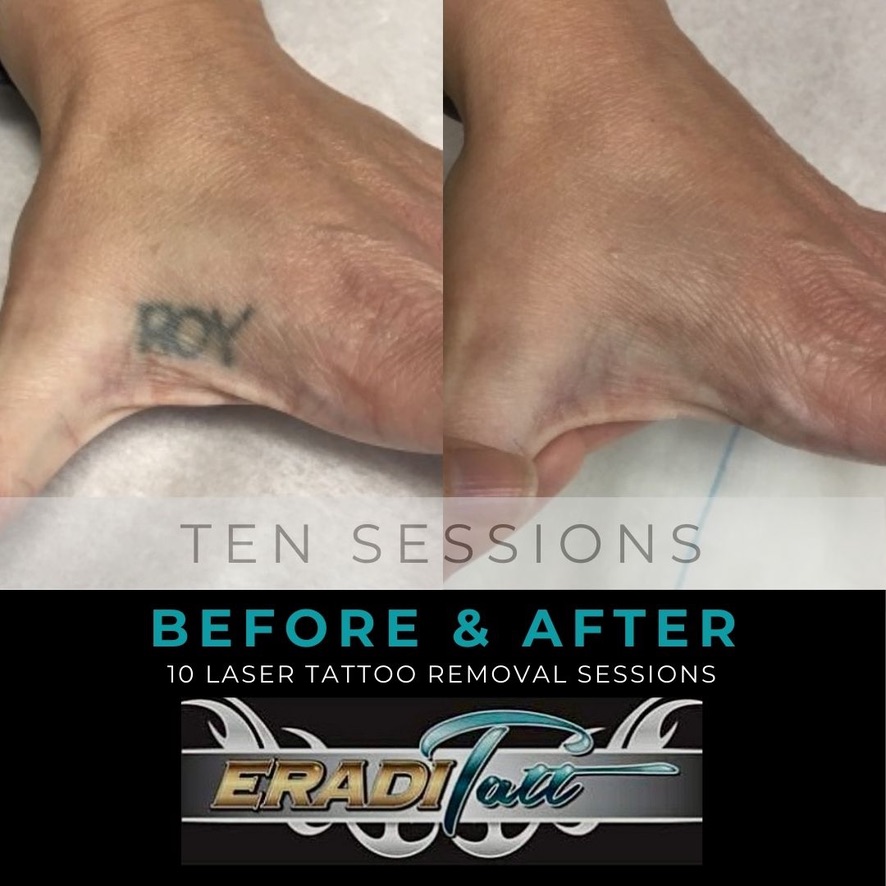
Want to see more examples of what’s possible?
Tattoo Removal Prices in Bradenton and Sarasota
Whether you drive in from Sarasota, Lakewood Ranch or downtown Bradenton, the price is the same and it’s based on the size of the tattoo. Prepay for four sessions and you save 20%:
| Size | About the size of | Per session | 4 sessions (20% off) |
|---|---|---|---|
| XX-Small | Smaller than a quarter | $100 | $320 |
| X-Small | Smaller than a credit card | $175 | $560 |
| Small | Smaller than a dollar bill | $225 | $720 |
| Medium | Smaller than a CD | $300 | $960 |
| Large | Smaller than a DVD case | $400 | $1,280 |
| X-Large | Up to a sheet of paper | $600 | $1,920 |
Send us a photo for a free quote and we’ll tell you the size and a realistic number of sessions. Military members and veterans get 15% off, and referrals earn a $50 credit. Local pricing guides: tattoo removal cost in Bradenton and laser tattoo removal cost in Sarasota.
What to Expect at Our Bradenton Clinic
1. A free consultation. We check the ink colors, age and depth, your skin type and your goal, then give you an honest plan for full removal or fading before a cover-up.
2. A short treatment. The PiQo4 laser has four wavelengths for black ink and most colors, and the Zimmer Cryo 6 cools your skin with cold air the whole time. Most sessions take 5 to 15 minutes, and we’re right by I-75, so it’s easy to fit in on the way to or from work.
3. Aftercare. Keep the area covered for 2 to 3 days and skip the gym for 24 hours. If you spend weekends on Siesta Key, Anna Maria or Longboat Key, keep treated skin out of the sun and don’t tan for at least 4 weeks before a session.
4. Sessions 6 to 8 weeks apart. Most clients need 8 to 12 sessions. Read how many sessions tattoo removal takes, whether tattoo removal hurts and how long the whole process takes.
We can’t treat you during pregnancy, within 6 months of taking Accutane, on blood thinners, with certain autoimmune conditions or over a fresh tan.
What Bradenton and Sarasota Clients Say
“Each member of the Bradenton EradiTatt team is so pleasant, professional and caring. Specifically, Melissa and Ericka – they make such a great team and put me at ease during the laser treatment. I had very large and dark tattoos and they are almost gone!”
MJ, Google review
“I had my eyebrow tattoo removed here, and I honestly couldn’t be happier with the results… The removal sessions were much quicker and less painful than I expected. After just a few treatments, I noticed a huge difference.”
Patricia Reeves, Google review
“Highly recommend EradiTatt if you are looking for tattoo removal in Sarasota/Bradenton/ Tampa, Florida. The staff is incredibly kind and professional.”
Cooper LaRocque, Google review
Read more reviews of our Bradenton/Sarasota clinic on Google
Getting to EradiTatt Bradenton/Sarasota
We’re at 3825 E State Road 64, Suite 200, Bradenton, FL 34208, just west of I-75 at the State Road 64 exit. Hours are Monday to Friday 10 am to 6 pm and Saturday 10 am to 3 pm. Call (941) 866-6744.
- Sarasota and Siesta Key: take I-75 north to exit 220 (State Road 64) and head west.
- Lakewood Ranch: take Lakewood Ranch Blvd north to State Road 64 and head west, or hop on I-75 north for one exit.
- Downtown Bradenton and West Bradenton: go east on Manatee Ave, which is State Road 64.
- Anna Maria, Holmes Beach and Cortez: follow Manatee Ave east across the bridge and through Bradenton.
- Palmetto, Ellenton and Parrish: take I-75 or US-301 south to State Road 64.
Bradenton and Sarasota Tattoo Removal Guides
More reading for Manatee and Sarasota County clients:
- Tattoo removal results in Bradenton
- Tattoo removal results in Sarasota
- Does laser tattoo removal work?
- Affordable tattoo removal in Sarasota
- Eyebrow tattoo removal in Bradenton
- How to get rid of a tattoo in Sarasota
Heading north? EradiTatt also has clinics in St. Petersburg, Tampa, Palm Harbor and Orlando.
Bradenton & Sarasota Tattoo Removal FAQs
Where is your clinic for Bradenton and Sarasota?
Our office is at 3825 E State Road 64, Suite 200, Bradenton, FL 34208, just west of I-75 at exit 220. It serves Bradenton, Sarasota and Lakewood Ranch. We’re open Monday to Friday 10 am to 6 pm and Saturday 10 am to 3 pm. Call (941) 866-6744.
How far is it from Sarasota?
Most Sarasota clients take I-75 north to the State Road 64 exit, and we’re just west of the interstate. From Lakewood Ranch it’s one exit up I-75 or a quick drive north on Lakewood Ranch Blvd.
How much does tattoo removal cost in Sarasota and Bradenton?
Sessions range from $100 for a tattoo smaller than a quarter to $600 for one up to the size of a sheet of paper. A 4-session package saves 20%, and the consultation is free.
Do you remove microblading and powder brows?
Yes. We remove cosmetic eyebrow tattoos, microblading and powder brows, including old brow ink that has turned red, orange or gray over time.
Can laser tattoo removal remove colored ink?
The PiQo4 laser has four wavelengths, so it treats black ink and most colors. Some shades, like light blue and green, can take more sessions. We’ll tell you what to expect at your consultation.
How long does the whole process take?
Most tattoos need 8 to 12 sessions, spaced 6 to 8 weeks apart, so full removal often takes a year or more. Fading a tattoo for a cover-up usually takes fewer sessions.
Can I get treated if I've been at the beach?
Not over a fresh tan. Avoid sun and tanning for at least 4 weeks before each session, and keep treated skin covered afterward. Tanned skin raises the risk of side effects, so we may reschedule if you come in with a new tan.
Get in Touch
Complete the form to the right with your details and inquiries, and we’ll get back to you within 24 business hours.
For any questions or to request more information, please email us at info@eraditatt.com. We aim to respond to all emails promptly.
Prefer to speak with someone directly? Give us a call at (844) 237-2731. Our friendly team is available to assist you and provide the information you need.
Your satisfaction and comfort are our top priorities. Don’t hesitate to reach out—our team is ready to provide you with the information and support you need.
Thank you for considering EradiTatt for your tattoo removal needs. We look forward to assisting you!
We’re here to help you on your journey to clear skin. Contact us today!