
What should you bring to a tattoo removal session, how should you prepare the skin, and how much of your day should you reserve afterward? Those practical questions often matter as much as the laser itself, especially when the tattoo is on your hand, forearm, face, neck, or ear and daily visibility affects work, interviews, weddings, or other plans.
Tattoo removal is progressive, not instant. The laser breaks tattoo pigment into smaller particles, and your body needs time between appointments to clear that pigment and recover. The U.S. Food and Drug Administration says tattoo removal often takes 6 to 10 treatments, and lighter inks such as yellow, green, and red can be harder to remove than dark blue and black (FDA tattoo guidance).
These 10 tattoo session tips follow the full client journey, from consultation and skin preparation to appointment logistics, aftercare, and progress tracking. EradiTatt consultations at its Florida locations can help match the plan to your tattoo's color, size, placement, skin tone, healing history, and personal deadline.
Table of Contents
- 1. Schedule Sessions 6 to 8 Weeks Apart for Optimal Results
- 2. Prepare Skin Properly 2 Weeks Before Your Appointment
- 3. Understand Your Tattoo's Color Complexity Affects Session Planning
- 4. Follow Post-Session Care Instructions for Faster Healing
- 5. Assess Your Skin Type and Tone Before Starting Treatment
- 6. Stay Hydrated and Maintain Healthy Skin Throughout Your Removal Journey
- 7. Communicate Any Medications or Supplements with Your Provider
- 8. Set Realistic Expectations About Timeline and Number of Sessions Needed
- 9. Document Your Progress with Photos and Notes Between Sessions
- 10. Plan Your Schedule Around Sessions and Recovery Time
- 10-Point Session Tips Comparison
- Turn Session Tips Into a Confident Removal Plan
1. Schedule Sessions 6 to 8 Weeks Apart for Optimal Results
Could booking your next appointment too soon slow progress? The interval between laser tattoo removal sessions gives treated skin time to recover and allows the body to clear fragmented ink. Many providers schedule treatments 6 to 8 weeks apart, while the overall plan may involve 6 to 12 sessions. Professional tattoos often need 8 to 12 sessions, and difficult cases may require more, according to this session-planning guidance.
A shorter interval can look efficient on the calendar without producing faster visible fading. If the skin remains irritated, blistered, scabbed, or continues changing pigment, it may not be ready for another laser treatment. Follow your provider's assessment rather than booking solely around the earliest available date.
Build the calendar around your life
Before leaving an EradiTatt clinic, schedule or discuss the next appointment. Use the gap to follow aftercare instructions and record progress photos. Work backward from events that affect your decision, such as a corporate interview, wedding, or other date when reduced visibility matters. Leave recovery time before photographs, celebrations, or work commitments.
The tattoo's location also affects planning. A forearm or hand may influence clothing and workplace comfort, while a covered tattoo on the back or thigh may be easier to manage during recovery. EradiTatt's Florida clinics can help you review availability in Orlando, Bradenton/Sarasota, St. Petersburg, Palm Harbor, or Tampa.

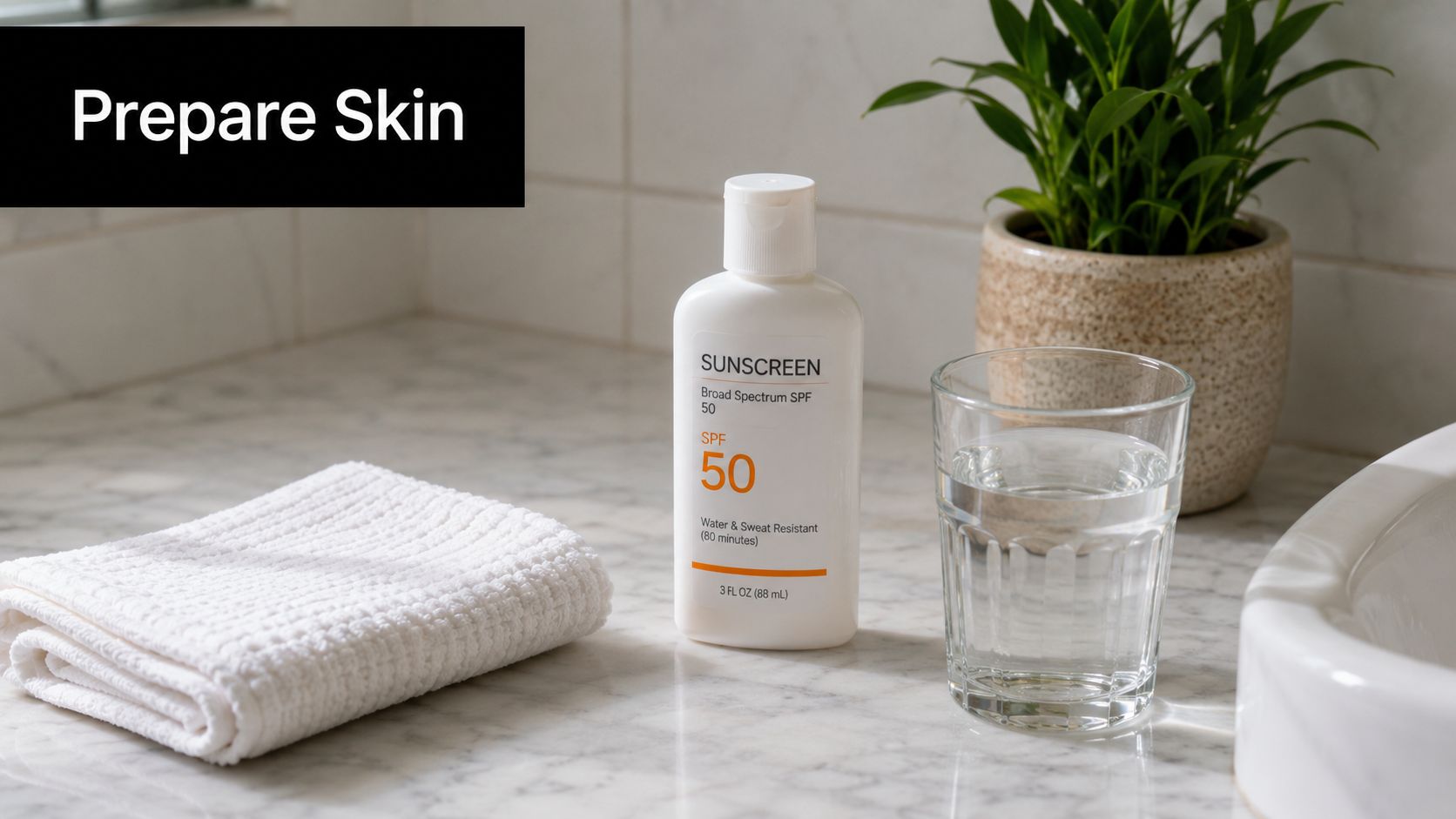
2. Prepare Skin Properly 2 Weeks Before Your Appointment
Healthy, calm skin gives your provider a better starting point. During the two weeks before an appointment, avoid tanning and unnecessary sun exposure, keep the area protected outdoors, and tell your provider about any products or medications that may affect healing. In Florida, this can require more planning than just avoiding a beach day. Short outdoor trips, driving, sports, and daily errands can all expose a visible tattoo to sunlight.
Don't treat sunscreen as permission to tan. Use broad sun protection when you must be outdoors, cover the area with clothing when practical, and reschedule if the tattoo has a recent sunburn. The treatment area should also be free of irritating products. Follow your provider's instructions about retinoids, glycolic acid, exfoliants, lotions, and other active skincare products.
For a detailed preparation reference, review EradiTatt's tattoo removal preparation guidance.
Make the appointment easier
Arrive with clean skin unless EradiTatt gives you different instructions. Wear loose clothing that lets the specialist reach the tattoo without rubbing the area afterward. If you take medication or supplements, bring a complete list rather than guessing which products matter.
Preparation rule: Never stop a prescribed medication on your own. Ask the prescribing clinician and your tattoo removal provider how to handle it safely.
One caution concerns advice that sounds precise but isn't medically appropriate for everyone. Suggestions about blood thinners, NSAIDs, vitamin E, or other supplements must come from your provider and, when relevant, your physician. Don't follow a generic internet schedule for stopping medication.
3. Understand Your Tattoo's Color Complexity Affects Session Planning
Could your tattoo's colors change the removal plan? They can. Yellow, green, and red are generally harder to remove than dark blue and black, according to FDA consumer information on tattoos. Different pigments respond to different laser wavelengths, so a multicolored design may need color-specific treatment rather than one uniform approach.
Black sections often fade sooner, while lighter or more resistant pigments can remain visible longer. White ink may respond unpredictably. Ink density, layering, tattoo location, age, and the artist's technique also affect the result, so a consultation provides more useful guidance than a color-based promise.
Ask for a color-by-color plan
Send clear photographs if the tattoo is difficult to show during an initial phone conversation. During your EradiTatt consultation, ask which colors are likely to fade first, which may take longer, and whether you want complete removal or enough fading for a cover-up.
A tattoo with several colors is not automatically untreatable. It requires planning around how each pigment responds and how uneven fading may look between appointments. For example, a black-and-red design may show different rates of fading because those sections respond differently. A pastel-heavy design may also require more patience than a dark, simple design.
Ask which laser wavelengths and treatment protocols suit your specific ink. EradiTatt's Florida locations can use that assessment to set practical expectations for appointment timing, recovery planning, and progress reviews. The useful answer is a color-specific plan that explains what may change first, what may take longer, and how the timeline could shift as the tattoo fades.
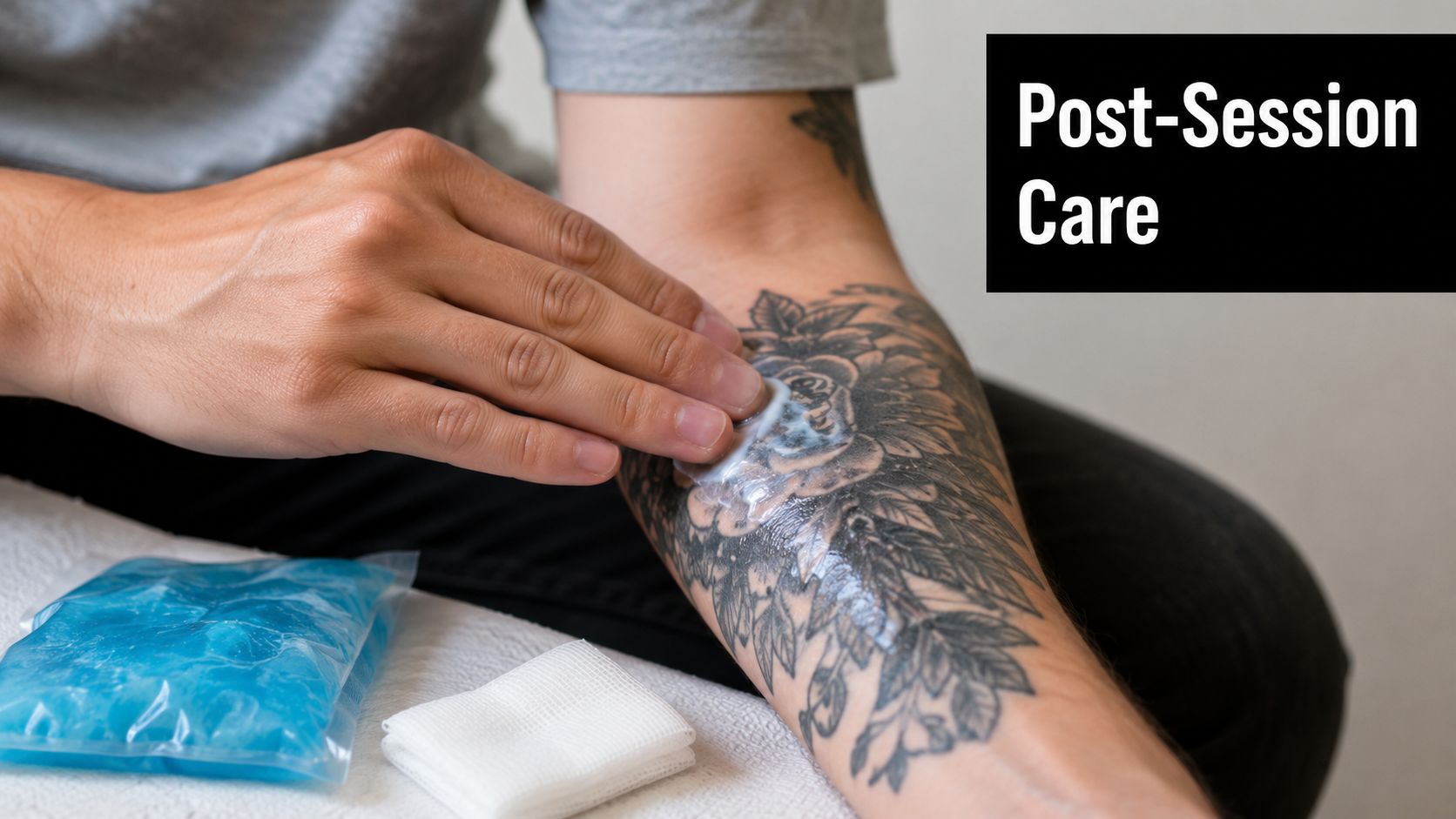
4. Follow Post-Session Care Instructions for Faster Healing
Plan the first 24 to 48 hours around recovery. Redness, soreness, and swelling can occur, and the FDA lists bleeding, redness, and soreness among common tattoo-removal side effects (FDA tattoo removal safety guidance). Treated skin may also react more strongly to friction, heat, sweat, water immersion, and sunlight.
Follow your EradiTatt specialist's exact instructions for dressings, ointment, and washing. Keep the area clean. Do not pick scabs or blisters, scratch, exfoliate, or apply fragranced products. Avoid swimming, soaking, hot tubs, and heavy-sweat activities until your provider confirms that the skin has healed sufficiently.
For practical recovery guidance, review EradiTatt's advice on skin after tattoo removal. Continue protecting the area from sunlight after the immediate healing period. A complete after sun care regimen can help you maintain consistent skin-protection habits.
Reserve recovery time realistically
A Friday appointment can suit someone able to keep the weekend quiet. A weekday session may work better if weekend sports or outdoor plans are difficult to cancel. Loose clothing reduces rubbing, particularly when treating the forearm, ankle, shoulder, or torso.
Contact the clinic promptly if symptoms worsen or you notice possible infection. Your provider can assess whether the reaction fits expected healing or needs evaluation, helping you plan recovery around future appointments at EradiTatt's Florida locations.
5. Assess Your Skin Type and Tone Before Starting Treatment
Could your skin history affect the treatment plan? Laser settings should match both the tattoo and the person receiving treatment. Skin tone, tanning history, sensitivity, prior scarring, and active conditions all influence how a specialist approaches a session. Possible complications include scarring, hyperpigmentation, hypopigmentation, pain, blistering, infection, texture changes, and an unpredictable response, as outlined in this clinical review of laser tattoo removal complications.
Skin of color requires careful assessment because epidermal melanin can absorb some laser energy before it reaches the ink. DermNet NZ describes tattoo removal in skin of color as difficult and unpredictable. It also reports that one study found mild postinflammatory hyperpigmentation lasting 2 to 4 months in almost half of patients (DermNet guidance on laser therapy in skin of color).
Share your healing history
Tell the specialist about keloids, raised scars, prolonged discoloration, or unusual reactions after injuries and procedures. Report eczema, psoriasis, active rashes, allergies, and irritation near the tattoo before booking treatment at an EradiTatt Florida location.
Your consultation may result in conservative settings, a different laser approach, or wider spacing between appointments. These choices balance ink clearance with the condition and appearance of nearby skin. They may also affect how you schedule work, travel, or other commitments during recovery.
Ask whether the clinic regularly treats skin tones similar to yours. Request examples that show possible fading and pigment changes, while keeping expectations realistic. Another client's result can inform planning, but it cannot predict your outcome. Track your skin's response between sessions and report persistent changes before the next appointment.
6. Stay Hydrated and Maintain Healthy Skin Throughout Your Removal Journey
Your body does much of the work between laser visits. The laser fragments pigment, but the tattoo doesn't vanish when the appointment ends. A steady routine that supports the skin barrier and overall recovery can make the process easier to manage.
Drink water regularly, eat balanced meals, sleep well, and avoid turning each appointment into a test of endurance. Gentle cleansing, fragrance-free moisturizer when approved by your provider, and consistent sun protection are more useful than an aggressive skincare routine. Newly treated skin usually benefits from simplicity, not a collection of strong active ingredients.
Choose habits you can maintain
A client with a wedding, interview, or cover-up deadline may feel tempted to chase quick fixes. That approach often creates irritation, especially when someone adds new products or supplements without asking the treatment provider. Keep the routine familiar and tell EradiTatt about major changes in health, skincare, exercise, or travel.
Smoking and heavy alcohol use can interfere with general healing, so reducing them may support better recovery. Don't assume that vitamin C, omega-3 products, zinc, or other supplements are automatically helpful for laser treatment. Discuss supplements with your provider, particularly because some can affect bleeding or medication interactions.
Healthy skin is not about using more products. It's about avoiding preventable irritation while your provider follows a carefully spaced treatment plan.
The best routine is one you can continue throughout the months of appointments. It should protect the treated area without making promises about a guaranteed speed of clearance.
7. Communicate Any Medications or Supplements with Your Provider
A complete medication conversation should happen before treatment, not after a reaction. Tell EradiTatt about prescriptions, over-the-counter medicines, vitamins, herbal products, topical treatments, and recent changes. Some products may affect bleeding, bruising, photosensitivity, or the way your skin heals.
Bring the actual medication list to your consultation. Include products that seem unrelated to skin because the provider needs the full context. If you take a prescribed blood thinner for a medical condition, don't stop it to prepare for tattoo removal. Ask the prescribing clinician and EradiTatt how the treatment should be timed, or whether the plan needs modification.
Update the clinic between visits
Medication lists can change during a long removal plan. Notify the clinic before the next session if you've started a new prescription, changed an existing dose, begun an acne treatment, or added a supplement. A medication that was absent at the first appointment may matter at the next one.
Ask specifically about photosensitizing medicines and products that may increase skin sensitivity. The appropriate response could be a delay, adjusted settings, additional precautions, or medical clearance. The right decision depends on the product and your health history.
This conversation protects more than the appointment itself. It helps the provider interpret unusual redness, prolonged irritation, bruising, or pigment change and decide whether the next session should proceed as planned.
8. Set Realistic Expectations About Timeline and Number of Sessions Needed
A removal plan should include a range, not a guaranteed finish date. Clinical evidence illustrates why. One 2020 clinical study reported an average of 8.4 sessions to achieve at least 75% clearance, while another predictive model found a mean of 6 sessions overall, with results ranging from 2 to 20 sessions. In that model, high-ink-density tattoos averaged 9.0 sessions, compared with 3.2 sessions for low-density tattoos (session-count overview and predictive data).
Those figures aren't a personal forecast. Your tattoo's size, ink density, colors, location, age, skin tone, and healing response all matter. A cover-up project may need a different fading target from someone seeking the lightest possible appearance.
Plan for progress, not instant clearance
Ask your EradiTatt specialist for an estimated session range and what could change it. Request an explanation of which areas may fade faster and what level of fading is realistic by an important date. EradiTatt's timeline guidance can help you prepare questions before the consultation.
Published satisfaction data can also help frame expectations. In a PubMed-indexed study of Q-switched YAG laser tattoo removal, 85% of clients rated treatment and results as acceptable to superb, while 15% rated them inferior to unacceptable (clinical satisfaction data). High satisfaction doesn't mean every tattoo disappears quickly. It reinforces the value of honest communication about gradual fading and multiple visits.
9. Document Your Progress with Photos and Notes Between Sessions
Fading can be difficult to judge from memory. You see the tattoo every day, so small changes may not feel significant even when the pigment is becoming lighter. Consistent photographs create a more useful record for you and your provider.
Use the same camera, angle, distance, and lighting whenever possible. Photograph the tattoo at a consistent point in each treatment cycle, add the date, and avoid comparing a sun-exposed photograph with one taken indoors under different lighting. The aim isn't to create promotional images. It's to understand your own response.
Record healing as well as fading
A short journal can reveal patterns that a photograph misses. Note when swelling decreased, how long redness lasted, when scabs or blisters resolved, and whether clothing, exercise, heat, or sun exposure seemed to irritate the area. Record any new medication or skincare product before the next session.
Bring the record to your EradiTatt appointment. It gives the specialist a clearer account of your healing between visits and may help inform future treatment decisions. Photos can also support practical planning. Someone pursuing fading for a career requirement may use the record to discuss progress, while someone preparing for a wedding can see whether the current pace fits the event timeline.
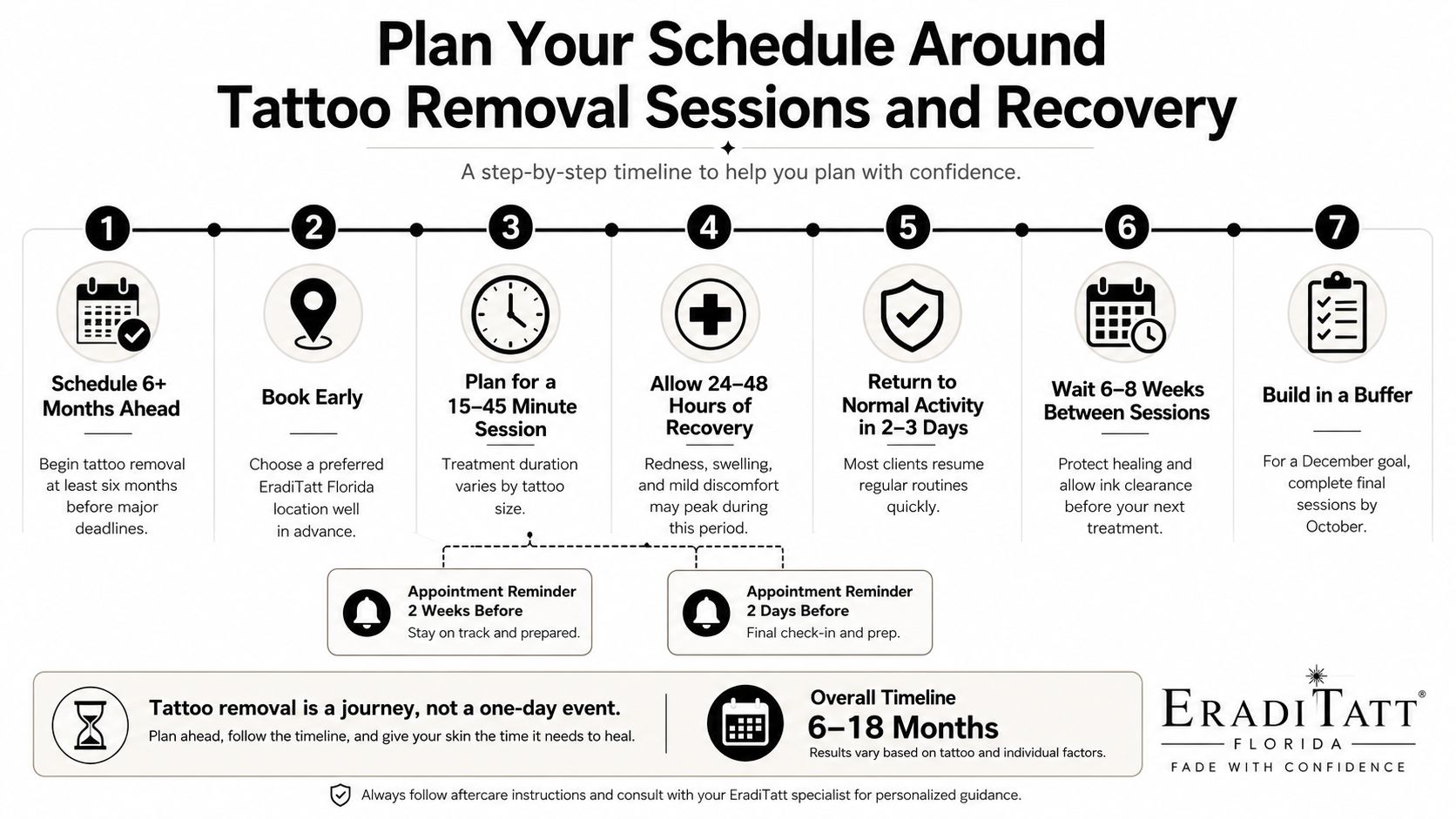
10. Plan Your Schedule Around Sessions and Recovery Time
The appointment itself is only one part of your schedule. You also need to account for the appearance and sensitivity of the treated area afterward. Redness, swelling, and soreness may make you less comfortable at a job interview, formal event, outdoor activity, or physically demanding shift.
Work backward from the date that matters. If you're preparing for a wedding, enlistment, promotion interview, or cover-up, discuss the target with your provider early. A final session too close to the event can leave you dealing with recovery when you want the area to look settled.
Protect the first days after treatment
Choose an appointment time that lets you avoid heavy sweating, friction, direct sun, and possible impact during early healing. For a visible forearm or hand tattoo, think about workplace exposure and clothing. For a face, neck, or ear tattoo, consider photography, makeup, helmets, straps, and transportation. Location changes the practical recovery plan even when the laser procedure is similar.
Don't rely on a rigid calendar if your skin isn't ready. A provider may recommend changing the appointment after sun exposure, irritation, or slower healing. Keep reminders for the next appointment and for preparation tasks, then call the clinic if work, travel, illness, or a major life change affects the plan.
EradiTatt serves clients through Florida locations including Orlando, Bradenton/Sarasota, St. Petersburg, Palm Harbor, and Tampa. Contact the central 844 number early if you need a preferred location or appointment window, especially when your timeline includes a fixed deadline.
10-Point Session Tips Comparison
| Title | 🔄 Complexity | ⚡ Resource requirements | ⭐ Expected outcomes | 📊 Ideal use cases | 💡 Key tip |
|---|---|---|---|---|---|
| Schedule Sessions 6–8 Weeks Apart for Optimal Results | Medium 🔄🔄, requires consistent appointments and patience | Regular clinic visits over months; time commitment ⚡⚡ | High ⭐⭐⭐, maximizes ink clearance and minimizes trauma | Clients wanting safe, reliable removal or planning for events | Mark calendar when booking and adhere to 6–8 week interval |
| Prepare Skin Properly 2 Weeks Before Your Appointment | Low–Medium 🔄🔄, lifestyle adjustments for 2 weeks | Sun avoidance, medication review, hydration; modest effort ⚡⚡ | High ⭐⭐⭐, reduces burns/pigmentation and improves efficacy | All patients prior to treatment, especially in sunny climates | Stop tanning, use SPF30+, hydrate and pause exfoliants |
| Understand Your Tattoo's Color Complexity Affects Session Planning | High 🔄🔄🔄, multi-wavelength planning and assessments | May require specialized lasers and more sessions; higher cost ⚡⚡⚡ | Variable ⭐⭐, dark inks clear better; pastels are challenging | Multi-colored or professional tattoos needing tailored plans | Bring clear photos; ask about multi‑wavelength systems |
| Follow Post-Session Care Instructions for Faster Healing | Low 🔄, disciplined short-term aftercare | Basic supplies (ointment, ice), rest and activity limits ⚡⚡ | High ⭐⭐⭐, reduces complications and speeds recovery | Everyone immediately after a session | Apply ice, use prescribed ointments, avoid immersion 48h |
| Assess Your Skin Type and Tone Before Starting Treatment | Medium 🔄🔄, requires specialist assessment | May need specialized lasers/settings; possible higher costs ⚡⚡ | High ⭐⭐⭐, custom settings lower pigmentation/scar risk | Darker, sensitive, or keloid‑prone skin types | Disclose scarring history and request examples for similar skin |
| Stay Hydrated and Maintain Healthy Skin Throughout Your Removal Journey | Low 🔄, ongoing lifestyle commitment | No equipment; diet, sleep, hydration consistency ⚡ | Moderate–High ⭐⭐⭐, supports healing and ink clearance | Clients throughout multi‑session treatment for better outcomes | Drink 8–10 glasses/day, eat antioxidants, prioritize sleep |
| Communicate Any Medications or Supplements with Your Provider | Low–Medium 🔄🔄, requires full disclosure and coordination | Coordination with prescribers; potential temporary med changes ⚡⚡ | High ⭐⭐⭐, prevents bleeding, photosensitivity, delayed healing | Patients on blood thinners, NSAIDs, or photosensitizing drugs | Bring a complete med/supplement list; consult your physician before stopping meds |
| Set Realistic Expectations About Timeline and Number of Sessions Needed | Low 🔄, education and planning | Time and financial commitment for multiple sessions ⚡⚡ | High ⭐⭐⭐, improves satisfaction and adherence | Anyone beginning removal, especially those with deadlines | Expect 6–18 months; ask specialist for an estimated session count |
| Document Your Progress with Photos and Notes Between Sessions | Low 🔄, consistent documentation habit | Camera/phone and short note‑taking time ⚡ | Moderate ⭐⭐, motivates and informs treatment adjustments | Clients tracking progress or switching providers | Use consistent lighting/angle and include a date marker |
| Plan Your Schedule Around Sessions and Recovery Time | Medium 🔄🔄, requires calendar coordination | Advance booking, buffers for recovery, possible rescheduling ⚡⚡ | High ⭐⭐⭐, minimizes disruption and supports healing | People with work, events, or travel constraints | Schedule early in the week, build buffers, finish before key dates |
Turn Session Tips Into a Confident Removal Plan
Effective tattoo removal depends on a sequence of practical decisions. Start with a thorough consultation. Share your skin tone, healing history, active skin conditions, medication and supplement list, tattoo age, ink colors, density, size, and placement. Explain whether you want complete removal or fading for a cover-up, because the target can influence how you evaluate progress.
Prepare the skin before the appointment by avoiding tanning and unnecessary sun exposure, following product instructions, and arriving with the treatment area clean as directed. Ask what clothing will make access easy without creating friction afterward. Bring photographs if the tattoo isn't easy to assess in person, and write down questions about wavelengths, expected fading, discomfort, aftercare, and the estimated session range.
Reserve enough time for the appointment and the early recovery period. The FDA identifies redness, soreness, and bleeding as possible side effects, and laser tattoo removal can leave the treated skin lighter than surrounding skin (FDA consumer safety information). Scarring, hyperpigmentation, hypopigmentation, blistering, infection, and unpredictable response are also recognized risks, which is why provider assessment and conservative planning matter (clinical laser-removal review). Don't schedule a session immediately before an event if you can't tolerate visible redness, swelling, or restrictions on exercise and sun exposure.
After treatment, follow the clinic's instructions rather than combining several conflicting online routines. Keep the area clean, avoid picking and soaking, protect it from sunlight, and report unusual symptoms promptly. Hydrate, maintain a simple skincare routine, and communicate medication changes before each visit.
Finally, track the journey. Consistent photos and notes help you see gradual fading, recognize healing patterns, and discuss adjustments with your provider. Many tattoos need multiple sessions, and published guidance places common treatment courses in the 6 to 12 session range, with some difficult cases requiring more (session-count planning information). Patience isn't passive. It means following the spacing plan, protecting the skin, and making decisions based on your actual response.
EradiTatt Tattoo Removal can help clients discuss personalized plans at Florida clinics in Orlando, Bradenton/Sarasota, St. Petersburg, Palm Harbor, and Tampa. Whether your goal is complete removal, cover-up preparation, career readiness, or a personal fresh start, a consultation can connect the treatment plan to your tattoo and your life.
EradiTatt Tattoo Removal offers consultations, progressive laser treatment planning, preparation guidance, and post-session support across convenient Florida locations. Visit EradiTatt Tattoo Removal to choose a clinic, review your options, and start a plan built around your tattoo, skin, schedule, and goals.