
You’re probably reading this because a tattoo that once felt right now feels out of place. Maybe it shows up every time you get dressed for work in downtown St. Pete. Maybe it reminds you of a version of your life that doesn’t fit anymore. Maybe you still like tattoos in general, but not this one.
The good news is that if you’re searching for how to get rid of a tattoo St Petersburg, you have real options. Tattoo removal isn’t magic, and it isn’t instant, but it is a practical process. When you understand what works, what takes time, and how to care for your skin in Florida’s heat and sun, the whole thing feels much more manageable.
Table of Contents
- That St. Pete Tattoo Isn't Forever
- Your Tattoo Removal Options in St. Petersburg
- The EradiTatt Laser Removal Process Explained
- Planning Your Removal Journey Sessions Cost and Expectations
- Healing and Aftercare in the Florida Climate
- Your First Step Visiting EradiTatt St Petersburg
- Frequently Asked Questions About Tattoo Removal
That St. Pete Tattoo Isn't Forever
A lot of tattoo regret doesn’t start with a dramatic moment. It starts in ordinary places. You catch your forearm in the mirror before work. You see an old design in a beach photo from Pass-a-Grille. You realize the tattoo isn’t embarrassing, exactly. It just isn’t you anymore.
That’s common in St. Petersburg. People move into new careers, new relationships, new seasons of life. A tattoo from a spring break trip, an old script piece, or a design that looked sharper years ago can start to feel heavier than it should.
What helps most is treating removal like a plan, not a punishment. You’re not stuck choosing between living with it forever or doing something extreme. Modern tattoo removal gives you a middle ground. You can aim for a clean slate, or you can fade the tattoo enough to make room for better work.
Sometimes the biggest relief for clients is learning they don’t have to decide everything on day one. They only have to decide to start.
The people who do best with removal usually come in with one simple goal. They want the tattoo gone, or they want it light enough for a new artist to work over it cleanly. Once that goal is clear, the rest gets easier. The timeline makes more sense. The appointments feel purposeful. The healing process feels less frustrating because you know what you’re working toward.
St. Pete residents also have a practical advantage. You don’t have to figure this out from generic internet advice alone. You can build a removal plan around your schedule, your skin, your tattoo colors, and the way Florida weather affects healing.
Your Tattoo Removal Options in St. Petersburg

There are really two practical paths when you want to get rid of a tattoo in St. Petersburg. The first is complete removal. The second is controlled fading for a cover-up.
Two different goals
Complete removal is for people who want the tattoo cleared as much as possible. This is the right path if the design no longer fits your life, if you want bare skin again, or if the tattoo sits in a spot where a cover-up would need to be much larger than you want.
Fading for a cover-up is different. You’re not trying to erase every trace of the original tattoo. You’re trying to break up the density of the old ink so a tattoo artist has more freedom with the new design. That often means fewer sessions than full removal, especially when the original tattoo is dark and heavy.
A lot of people don’t realize this distinction at first. They come in thinking removal is always all-or-nothing. It isn’t. Strategic fading can be the smarter move if your end goal is new artwork rather than blank skin.
If you want a closer look at newer removal technology and how it changes treatment planning, this overview of new technology in tattoo removal is a useful next read.
Tattoo Removal Goals Compared
| Goal | Complete Removal | Fading for Cover-Up |
|---|---|---|
| End result | Skin cleared as much as possible | Old tattoo lightened to help a new design cover better |
| Best for | Names, outdated art, unwanted visible tattoos | Dense black pieces, older designs, cover-up prep |
| Session outlook | Usually a longer process | Often a shorter process |
| Artist involvement | Not always needed | Helpful to coordinate with your tattoo artist |
| Mindset | Patience for gradual clearing | Precision, enough fading but not more than needed |
There’s also a trade-off in how you judge progress. With complete removal, you’re watching for steady reduction across the whole design. With fading, you’re looking for the tattoo to soften enough that the next artist isn’t forced into making the replacement piece darker, larger, or more crowded than you want.
Practical rule: If you already know you want another tattoo in the same spot, say that early. The treatment plan should match the final artwork goal, not just the removal goal.
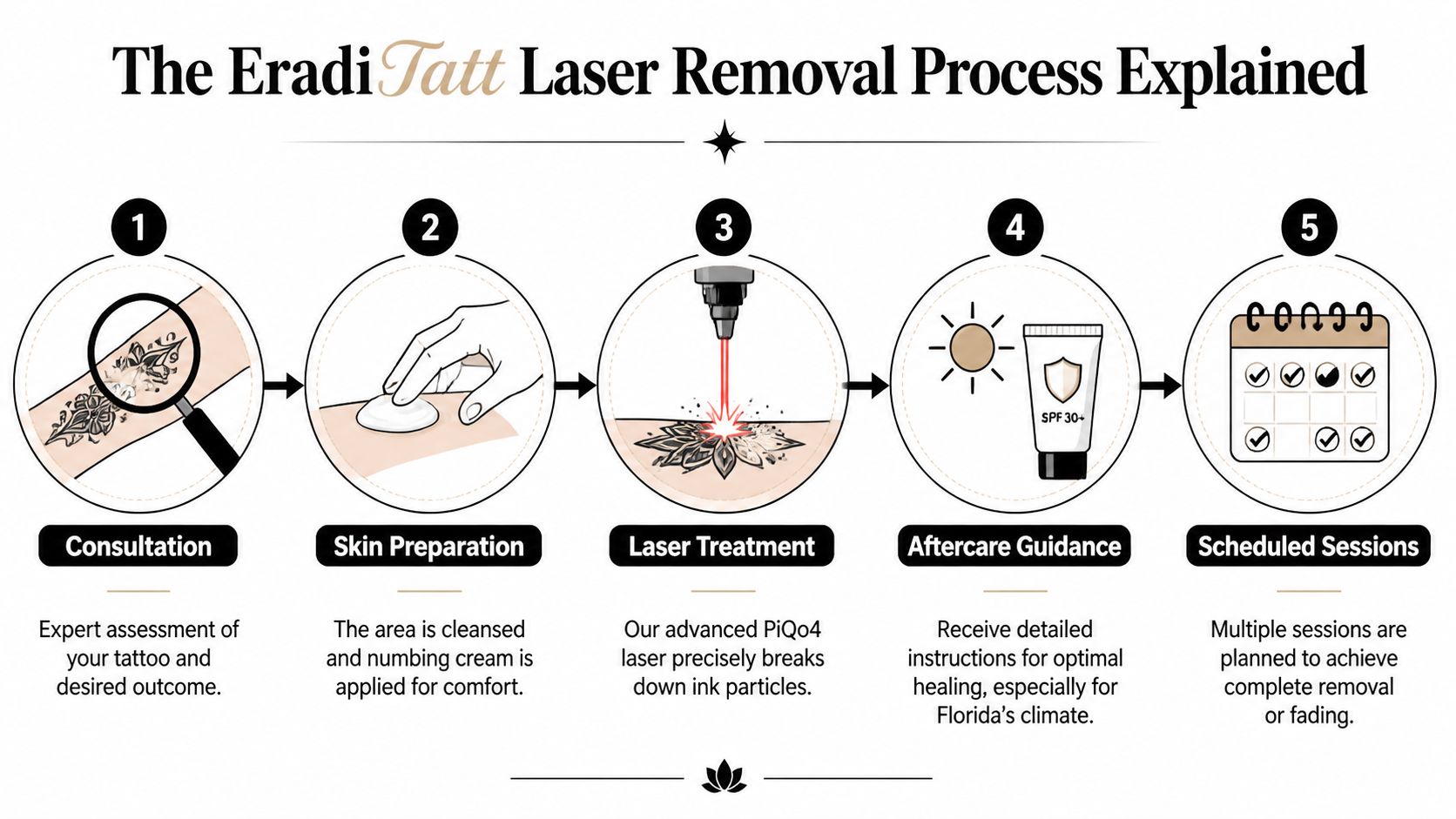
The EradiTatt Laser Removal Process Explained
The most common medical path for tattoo removal is laser treatment. The FDA notes that specific laser types are cleared for tattoo removal and that laser removal is the gold standard, with session count shaped by ink color, tattoo age, and skin type in guidance on tattoo removal options and results.
What the laser is actually doing
The simplest way to think about laser removal is this. The laser targets tattoo pigment under the skin and breaks it into much smaller fragments. Your body then clears those fragments gradually over time.
The PiQ04 system uses picosecond technology, which means it delivers energy in a trillionth of a second. According to EradiTatt’s breakdown of how tattoo removal works for first-timers, that speed helps shatter ink into minuscule particles more efficiently than older nanosecond-only systems. The same source notes that this dual-pulse approach is effective across a wide range of colors and often requires 5 to 10 sessions spaced 6 to 8 weeks apart.
That timing matters. Clients sometimes assume the laser removes the tattoo in the room. It doesn’t. The appointment starts the process, and then your immune system does the slow clearing work in the weeks after.
Black ink usually responds most predictably. More stubborn shades can take longer and require a more careful plan. Multi-color tattoos often need more patience because different pigments respond differently to laser energy.
What your appointment usually feels like
Most appointments follow a straightforward pattern.
Consultation and assessment
The tattoo is evaluated for age, color, placement, density, and whether you want full removal or fading.Skin prep
The area is cleaned, and comfort measures like numbing cream and cooling can be used.Laser treatment
The laser passes over the tattoo in short bursts. Many clients describe the sensation as a rubber band snap against the skin.Immediate skin response
The area may look raised, irritated, or lightly frosted right after treatment. That early reaction is expected.Aftercare and scheduling
You leave with healing instructions and a plan for the next session.
The actual lasering is often much shorter than people expect. The bigger commitment is the overall timeline between sessions, not the minutes spent under the device.
The best mindset is to treat each session like one strong push in a longer process. Fast appointment. Slow fade.
Planning Your Removal Journey Sessions Cost and Expectations
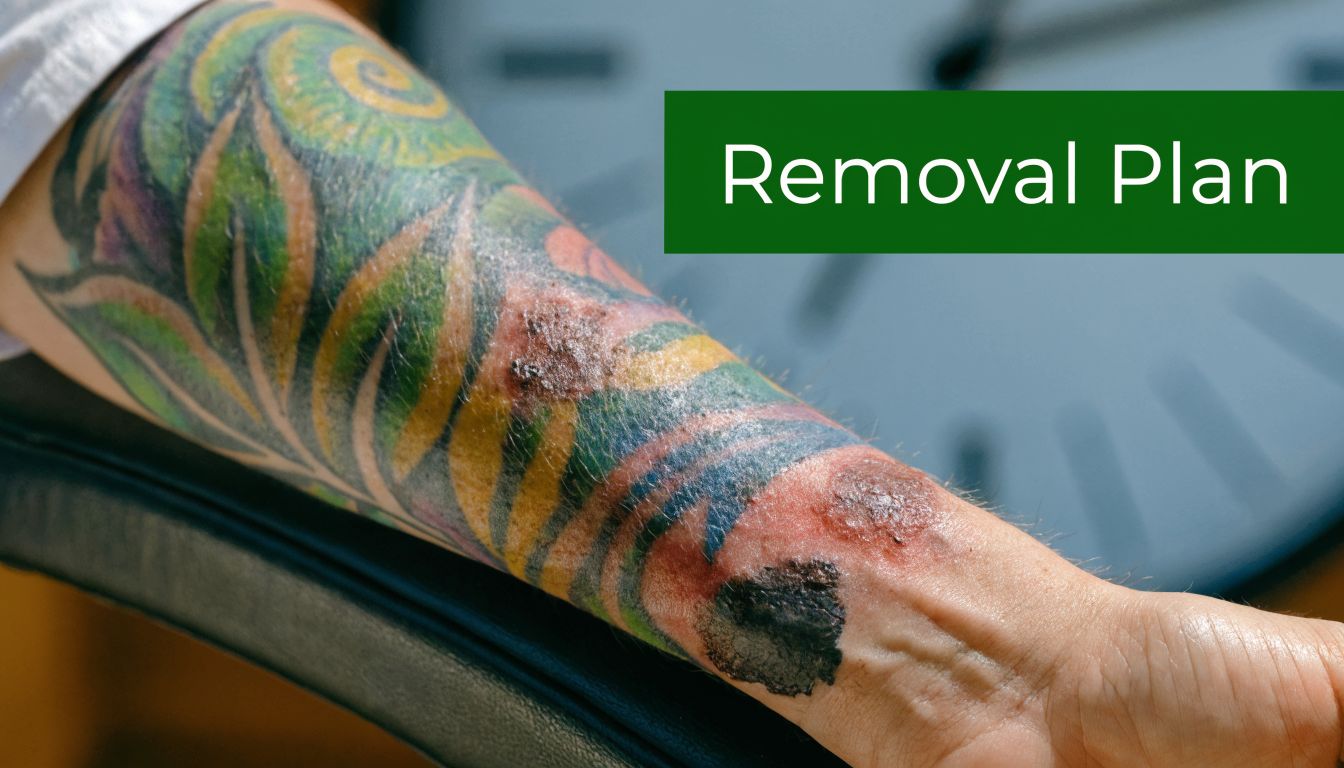
The biggest planning mistake people make is expecting tattoo removal to behave like a single procedure. It works more like a series. You make progress, your body clears what was broken up, your skin settles, and then you repeat.
What affects your timeline
Several factors shape how long your tattoo takes to fade:
- Ink color: Darker inks often respond more easily. Brighter or mixed colors can be more stubborn.
- Tattoo age: Older tattoos often lighten more readily than newer, saturated work.
- Layering and density: Cover-ups and very packed ink usually take longer than lighter linework.
- Placement on the body: Some areas clear more slowly than others.
- Skin type and healing response: Your body’s pace matters because your immune system clears the fragmented pigment.
If you want a realistic budgeting framework before booking, this guide to laser tattoo removal cost in St. Pete helps explain how clinics usually structure pricing.
A useful way to picture the process is to think of the tattoo as becoming less solid over time rather than disappearing in one even wipe. One area may lift faster. Lines may soften before fills do. A cover-up candidate may look “ready” well before a full-removal candidate does.
How cost is usually structured
Most clinics price removal per session, and the amount usually depends on the size of the tattoo and the complexity of treatment. That means your total cost depends on two moving parts. First, what each visit costs. Second, how many visits your tattoo needs.
Instead of chasing the cheapest single session, look at the full plan:
- Ask what your goal changes: Full removal and fading for a cover-up can lead to different total costs.
- Look at the likely range, not the lowest quote: A low starting price doesn’t mean a low total investment.
- Factor in healing time: Sessions are spaced out, so this is a schedule commitment too.
Some skin changes can happen during the process, especially if aftercare is poor or the skin is stressed. A separate local review page notes that long-term concerns such as hypopigmentation, texture change, or uneven fading are often underexplained, and it references global dermatology reporting that places those outcomes in the 10 to 20 percent range in some cases on St Pete Tattoo Removal. That doesn’t mean they’re inevitable. It means planning and aftercare matter.
Healing and Aftercare in the Florida Climate
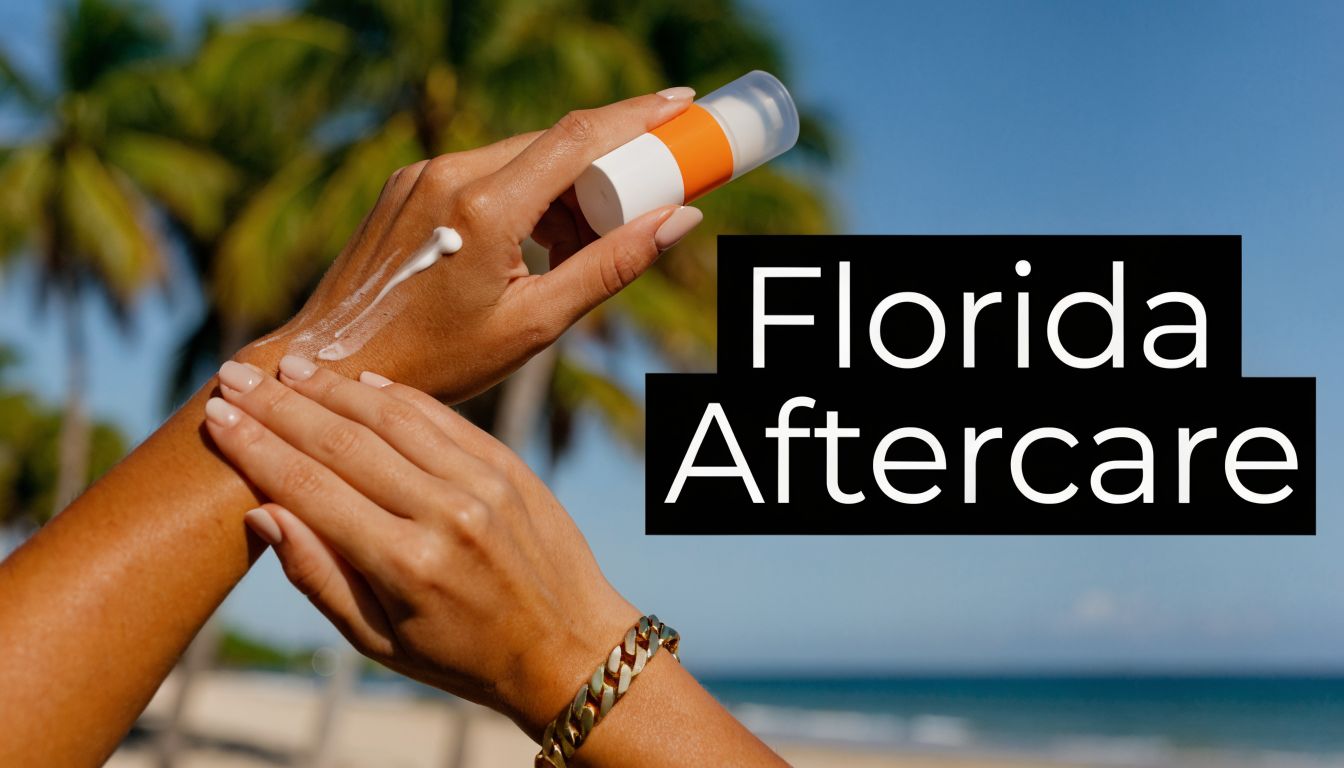
Healing in St. Petersburg comes with one challenge generic tattoo-removal advice often overlooks. Florida weather makes it easier to irritate treated skin if you’re not careful. Heat, sweat, sun, beach days, and pool time all raise the stakes.
What matters most in St. Petersburg weather
Sun exposure is the first thing to take seriously. Treated skin is more reactive, and unprotected sun can make discoloration issues harder to avoid. If the area is exposed, keep it covered when possible and use the aftercare guidance your provider gives you once sunscreen is appropriate for your stage of healing.
Humidity and sweat matter too. In hot weather, the area can stay damp longer, especially under tight clothes or workout gear. That can make irritation worse.
Swimming is another common issue in St. Pete. The Gulf, pools, and hot tubs are part of daily life here, but freshly treated skin does better when it’s left clean, dry, and undisturbed until your provider says normal water exposure is fine again.
Freshly treated skin and a long beach day don't mix well. Healing usually goes better when you protect the area like healing skin, not normal skin.
Simple aftercare habits that help
A few habits make a real difference:
- Choose loose clothing: Friction from tight sleeves, waistbands, or bras can irritate the treated spot.
- Keep the area clean: Use gentle care and avoid picking, rubbing, or scratching if the skin feels dry or itchy.
- Skip intense heat exposure: Long outdoor events, saunas, and heavy sweating right away can make skin angrier than it needs to be.
- Plan around your calendar: If you know you’ve got a beach trip, boat day, or outdoor festival coming up, schedule treatment with healing in mind.
Florida aftercare is mostly about restraint. Give the skin a calm window to recover, and you usually make the whole removal process easier on yourself.
Your First Step Visiting EradiTatt St Petersburg
Starting is easier when the logistics are simple. The St. Petersburg clinic is located at 9210 4th Street North, Suite A, St. Petersburg, FL 33702, inside Indulgence Medical Day Spa. If you’re coming from downtown near the Sundial, you’ll head north on 4th Street. If you’re coming from the Tropicana Field area, the route is also straightforward and usually familiar to local drivers.
Getting to the clinic
Parking is usually one of the first questions people ask, especially if they’re trying to fit an appointment into a workday. The easiest move is to give yourself a few extra minutes so you’re not arriving rushed or overheated. That matters more than people think, especially before a treatment visit.
For appointments, you can call the St. Petersburg clinic directly at 727-551-4451. If you prefer a central scheduling option for any Florida location, use the company’s main support line through EradiTatt Tattoo Removal. If you’re still comparing providers and want local context, this overview of the best tattoo removal options in St. Petersburg can help you frame the right questions.
What to bring and ask
Bring a clear idea of your goal. Full removal and cover-up fading lead to different plans. If you already have inspiration for a future tattoo, bring that too.
Good questions to ask at the first visit include:
- How much fading is needed for my goal
- What kind of healing should I expect in this area
- What should I avoid with my work, workouts, or sun exposure
- How should I care for the skin between sessions
If you like to research skincare support between treatments, a neutral resource on the benefits of Skinstitut Laser Aid can give you ideas about post-laser skin support products to ask about. It’s not a substitute for your provider’s instructions, but it can help you ask better questions.
Frequently Asked Questions About Tattoo Removal
Does tattoo removal hurt
It's often described as uncomfortable, but manageable. A common comparison is a rubber band snap against the skin. Numbing cream and cooling can help, and the actual treatment time is often shorter than clients expect.
Will my skin look normal again
That depends on the tattoo, your skin, how your body heals, and how carefully you follow aftercare. Many clients heal well, but tattoo removal is still a skin treatment. Uneven fading, temporary pigment change, or texture changes can happen, especially if the area gets too much sun or irritation during healing.
Can every tattoo be fully removed
Not always to the same degree. Some tattoos clear very well. Others leave faint residual pigment or respond unevenly because of ink color, depth, layering, or prior tattoo work. Black ink is usually the simplest to treat. More resistant colors often need more patience.
How long do I wait between sessions
Spacing matters because your body needs time to clear the fragmented ink. Rushing sessions usually doesn’t improve the result. Following the interval your provider recommends gives the skin time to recover and lets you see the full fade from the last treatment.
When can I get a cover-up tattoo
That depends on how much fading your artist needs and how well your skin has settled. The skin needs to look and feel ready, not just lighter. If your end goal is a cover-up, tell your provider early so treatment can stop at the right point instead of going farther than necessary.
Is laser the only option
It’s the most established medical option and the one the FDA identifies as the gold standard in the earlier guidance. What matters most is getting an honest plan based on your tattoo and your goal, not assuming every tattoo needs the exact same approach.
If you’re ready to stop guessing and get a clear plan, schedule a consultation with EradiTatt Tattoo Removal. A good first visit should answer your questions, set realistic expectations, and show you what your tattoo will likely take to remove or fade in St. Petersburg.