
Laser tattoo removal cost St Pete usually falls in the $128 to $400+ per session range at our clinic, and your total investment depends on predictable factors like tattoo size, ink colors, and whether you want full removal or just enough fading for a cover-up. Individuals don’t need a mystery quote. They need a realistic framework, and that’s what this guide gives you.
If you’re reading this, you’re probably looking at a tattoo that no longer fits your life. Sometimes it’s a name, sometimes it’s old artwork, and sometimes it’s a piece that just needs to lighten enough for something better to go over it. The hard part for most clients isn’t deciding they want removal. It’s figuring out what it will cost, how long it will take, and whether the process will be worth it.
Table of Contents
- Your Guide to Tattoo Removal Costs in St Petersburg
- How Laser Tattoo Removal Cost Is Calculated
- Beyond Size and Color Factors That Impact Your Session Count
- Full Removal vs Fading for a Cover-Up Which Goal is Right for You
- Understanding the Treatment Timeline and Aftercare
- Affordable Options and Planning Your Budget at EradiTatt
- Frequently Asked Questions About Your St Pete Tattoo Removal
Your Guide to Tattoo Removal Costs in St Petersburg
In St. Pete, most clients want one thing first. A straight answer. National pricing gives a useful baseline because laser tattoo removal is usually billed per visit, with a typical U.S. range of $200 to $500 per session, an overall average of about $353 per session, and full removal often totaling $1,000 to $5,000 or more according to this national tattoo removal cost overview.
That national range helps, but it doesn’t tell you what your forearm script, ankle piece, or shoulder tattoo will cost in a local clinic. In St. Petersburg, the cost starts with the size of the tattoo and then shifts based on what’s in the ink, where it sits on the body, and what result you want. A tattoo that only needs fading for a cover-up follows a very different cost path than a tattoo you want gone completely.
For clients researching laser tattoo removal cost St Pete, the most useful approach is to stop thinking in vague totals and start thinking in per-session pricing plus expected session count. That’s the part that makes the process easier to budget.
Practical rule: A clear quote should explain both the price per treatment and why your tattoo may need more or fewer visits than someone else’s.
If you want a deeper look at choosing a local provider before you commit, this guide on tattoo removal in St. Petersburg is a helpful next read.
How Laser Tattoo Removal Cost Is Calculated
The biggest driver of price is usually simple. Size. Larger tattoos take more treatment time and more laser coverage, so the per-session cost rises with area. But there’s an important, less obvious trade-off. Bigger pieces can become more efficient on a cost-per-square-inch basis because some of the fixed treatment setup is spread across more surface area.
Size drives the starting price
At our St. Petersburg location, the size-based pricing model ranges from $128 to $400 per session depending on tattoo size, based on this published pricing reference for tattoo removal. That same pricing guidance notes that a small 3″ × 3″ tattoo may need 3 to 6 sessions at around $128 per session with package discounts, while a large 6″ × 6″ tattoo may need 5 to 8 sessions at about $288 per session.
That gives you a practical way to estimate cost before a consultation. It’s not the final quote, but it’s a sound starting point.
Estimated Tattoo Removal Cost by Size at EradiTatt St. Pete
| Tattoo Size (Approximate) | Example Dimensions | Estimated Cost Per Session | Estimated Total Sessions |
|---|---|---|---|
| Small | 3″ × 3″ | $128 | 3 to 6 |
| Medium | Between small and large | $128 to $400 | Varies by ink and placement |
| Large | 6″ × 6″ | $288 | 5 to 8 |
| Extra large or highly complex | Larger multi-part pieces | Up to $400 | Varies by density and goal |
A few points matter when you use a table like this:
- A small tattoo isn’t always cheap overall. If the ink is dense or layered, the session count can climb even when the tattoo itself is small.
- A large tattoo isn’t always the worst value. The per-session price is higher, but the square-inch efficiency often improves on bigger areas.
- Color changes the estimate. Black and blue usually respond more directly than harder colors.
When clients ask why one small tattoo can cost more than another, the answer is usually ink density, not inches.
If you’ve ever wondered why removal pricing feels so different from tattoo pricing, it helps to understand the treatment logic behind it. This article on why tattoo removal is expensive breaks that down in plain language.
Beyond Size and Color Factors That Impact Your Session Count
Size sets the starting price. Biology often decides the finish line.
What changes the timeline
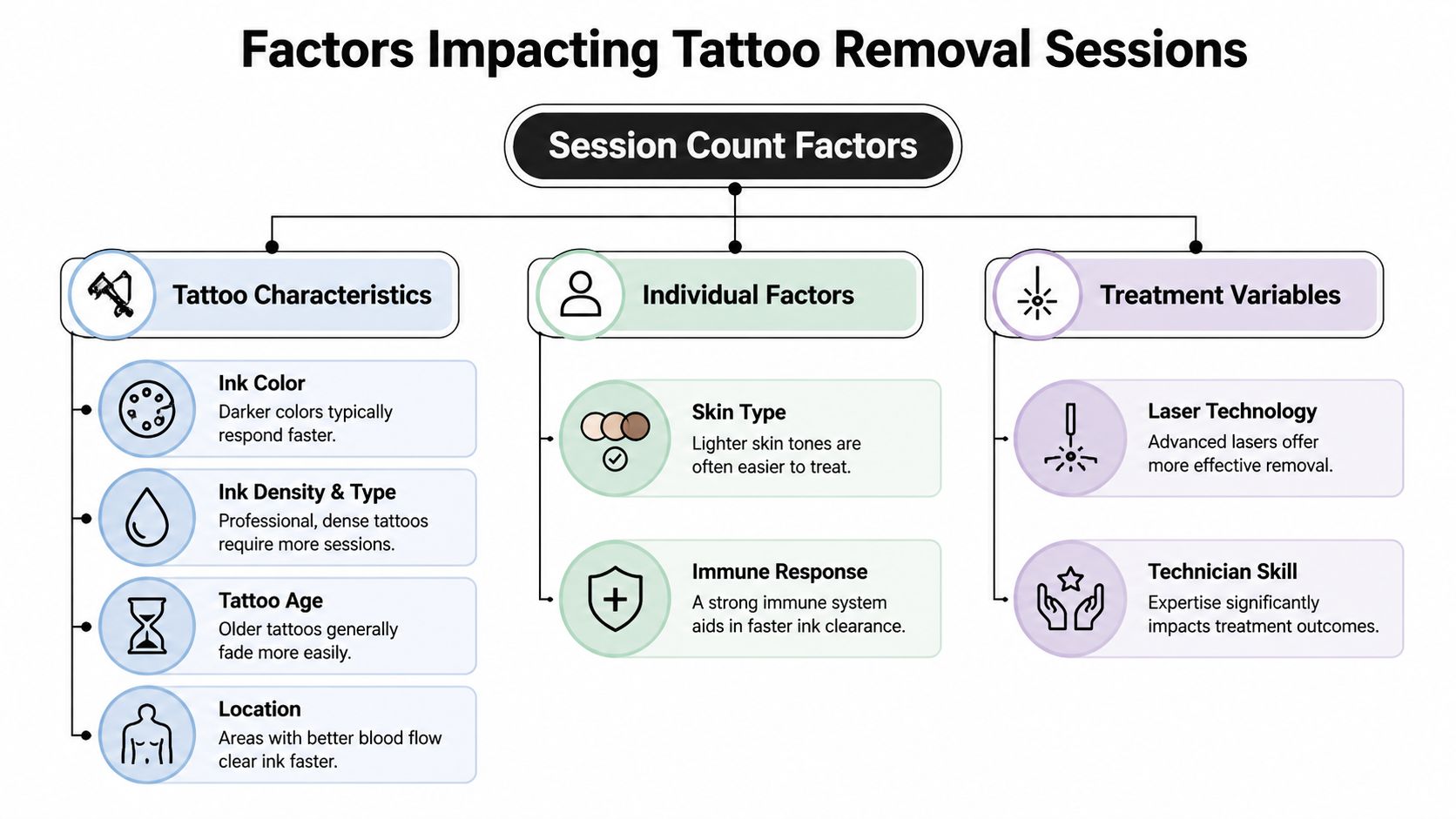
Some tattoos clear faster because the body can process the broken-up ink more efficiently. Older tattoos often respond better than fresh ones because the ink has already started to disperse over time. Location matters too. Tattoos on areas with better circulation, such as the torso, tend to clear more readily than tattoos on extremities.
Skin type is another major factor. According to this overview of laser tattoo removal variables, people with darker skin tones classified as Fitzpatrick types IV to VI often need lower laser energy and longer intervals between sessions, which can extend the treatment timeline by 20 to 40%. That slower pace is often the safer pace.
Why consultations matter
Two tattoos can look similar at first glance and behave very differently under the laser. One may have shallow, older black ink on the upper arm. The other may be newer, more saturated, and sitting near the wrist or ankle where circulation is slower. Those are not the same project.
Here’s what usually shapes session count in real life:
- Age of the tattoo: Older pieces often fade more readily than fresh work.
- Location on the body: Areas with stronger circulation usually clear fragmented ink better.
- Skin tone and healing response: Some clients need a gentler setting and more time between visits.
- Ink density: Packed, professional ink usually takes more persistence than lighter or patchier ink.
- Removal goal: Full removal takes longer than strategic fading.
The consultation matters because the laser only breaks up the pigment. Your body still has to clear it.
That’s why a serious quote should never come from size alone. A proper assessment looks at the tattoo, your skin, your healing pattern, and your goal before putting a number on the full process.
Full Removal vs Fading for a Cover-Up Which Goal is Right for You
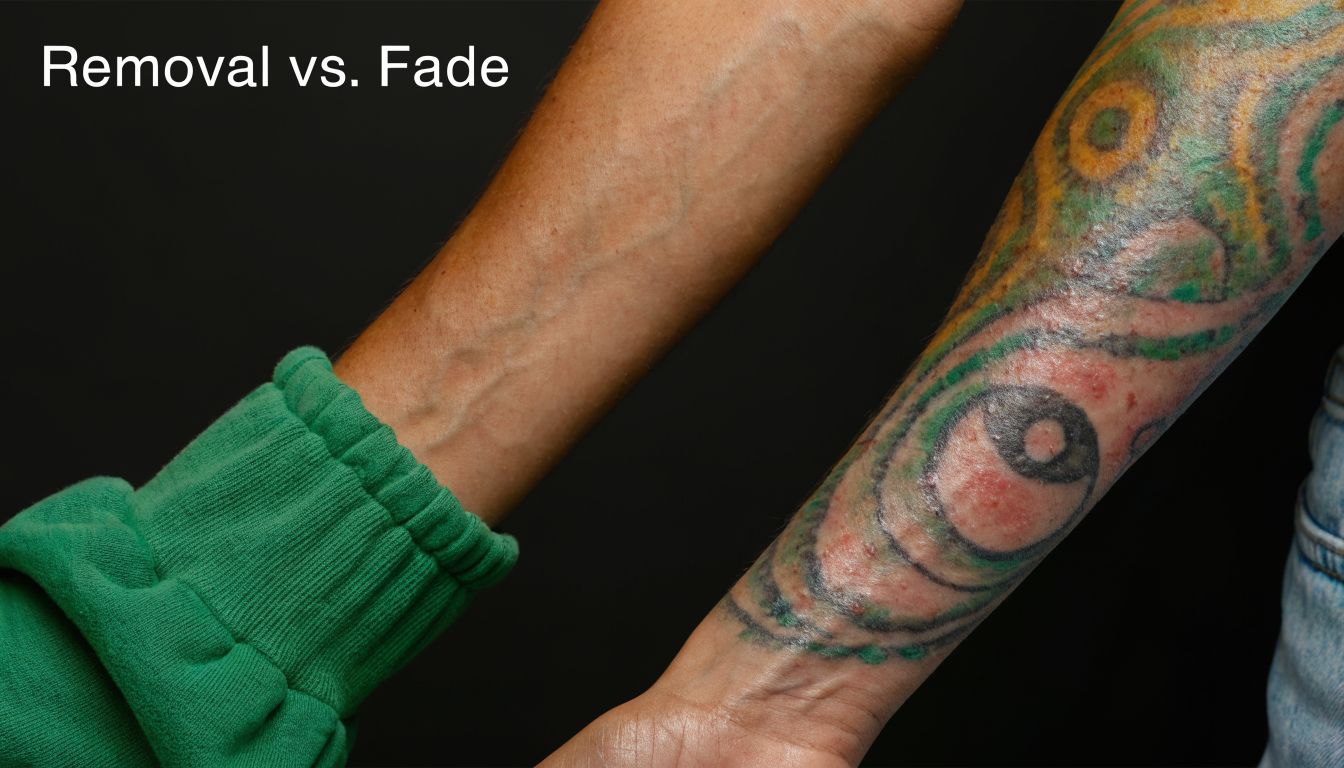
A lot of people searching laser tattoo removal cost St Pete don’t need complete removal. They need enough fading to give a tattoo artist a clean base for a cover-up. That choice changes the cost, the timeline, and the number of appointments.
Choose fading if
Fading makes sense when you still want tattoo coverage, just not the current design showing through. This route is often faster because you’re not trying to remove every trace of pigment. You’re trying to lighten the existing ink enough that a new design can sit over it without fighting old lines and dark patches.
Fading can be the right move if:
- You already have a cover-up design in mind. Your artist may only need the old piece softened.
- You want to limit total cost. Fewer sessions usually means a smaller overall investment.
- You need a practical solution. Some clients want visual improvement rather than a blank slate.
Choose full removal if
Full removal makes more sense when you want clear skin, need the tattoo gone for professional reasons, or don’t want to stay boxed into cover-up options. It takes more patience, but it gives you more freedom at the end.
Full removal usually fits clients who:
- Don’t want another tattoo in that spot
- Need the area as clear as possible
- Want to remove a design that’s too dark or too large to rework easily
If you’re still deciding between the two paths, this article on a cover-up fade plan for tattoo removal can help you think through the trade-offs.
Fading is goal-driven. Full removal is finish-line driven. The right choice depends on what you want the skin to look like at the end, not just what you want to erase today.
Understanding the Treatment Timeline and Aftercare
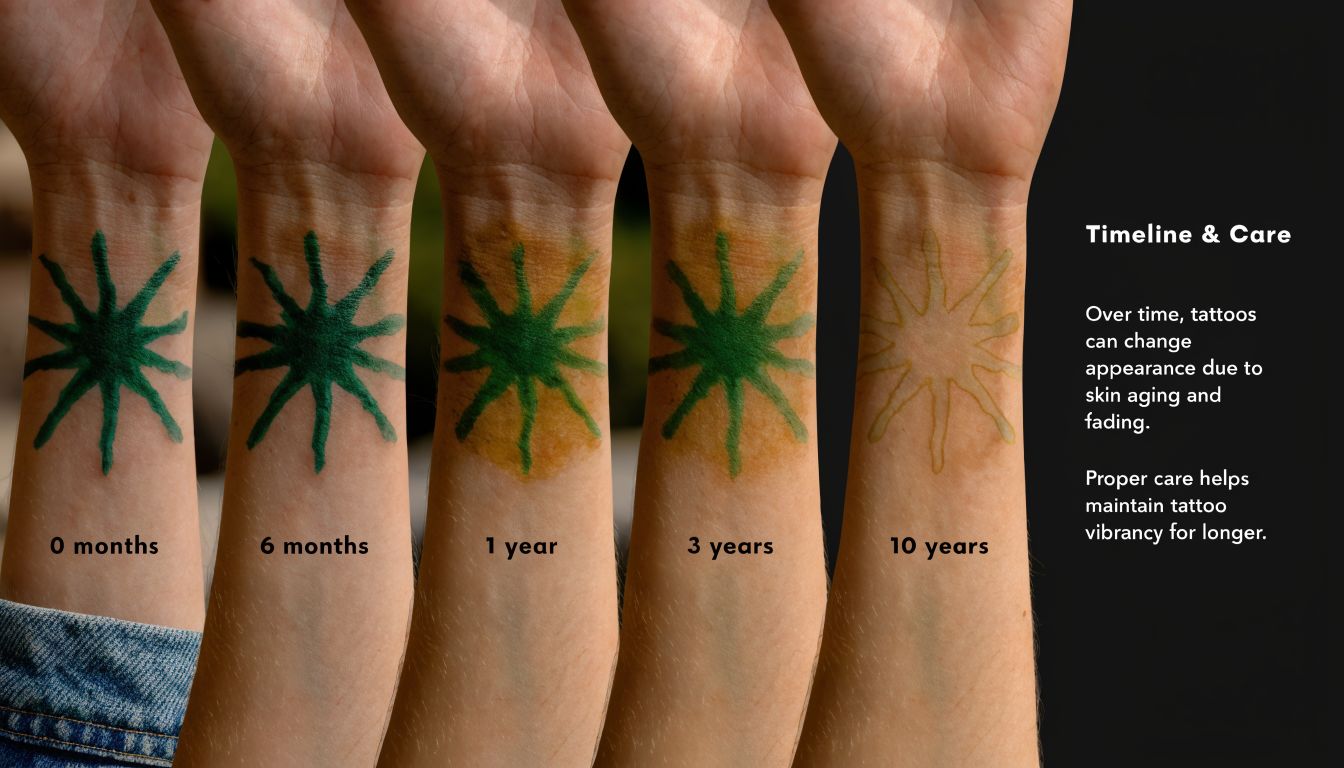
Tattoo removal is a process, not a one-week fix. The laser shatters ink particles during the appointment, but the visible fading happens between sessions while your body clears that fragmented pigment.
Why the waiting period matters
Most removals are spaced out because skin needs time to recover and the immune system needs time to do its part. The timing isn’t dead space. It’s part of the treatment itself.
Advanced picosecond systems can change that overall arc for some tattoos. This PiQo4 laser overview notes that picosecond technology like the PiQo4 can reduce required sessions by 20 to 37% for difficult colors such as blue and green. For clients with multicolored tattoos, that can make the total project shorter and potentially less expensive.
Aftercare protects your result
Good aftercare doesn’t just help comfort. It protects the quality of the outcome. Skin that’s irritated, overexposed to sun, or picked at during healing won’t respond as predictably over time.
The basics are straightforward:
- Keep the area clean: Follow the post-treatment instructions you’re given and avoid unnecessary friction.
- Protect healing skin from sun exposure: Freshly treated skin needs extra caution, especially in Florida.
- Don’t rush the next session: More frequent treatment isn’t automatically better if the skin hasn’t fully recovered.
- Report unusual healing early: If something doesn’t look right, get guidance before the next visit.
One practical point matters here. A faster machine doesn’t replace patience. Good removal comes from the right settings, the right spacing, and consistent healing between appointments.
Affordable Options and Planning Your Budget at EradiTatt
A lot of St. Pete clients start with the same question. "What will this cost me from start to finish?" The right answer is not a vague national average. It is a tattoo-specific plan that shows the likely per-session cost, the expected number of visits, and whether you are aiming for full removal or just enough fading for a cover-up.

How to make the cost easier to manage
At EradiTatt, budget planning usually comes down to predictability. Pay-per-session works well for smaller tattoos, very light fading goals, or clients who want to start with one treatment before committing to a longer plan. Package pricing makes more sense when the tattoo is dense, colorful, or likely to need a longer series. It lowers the effective cost per visit and gives you a clearer total investment up front.
According to this GoodRx overview of tattoo removal costs, clinics such as EradiTatt may offer multi-session package discounts that reduce the effective per-session cost by roughly 15 to 20% compared with pay-per-visit pricing.
That trade-off is straightforward. Packages can save money over the full course of treatment, but they are most useful when the treatment goal is already clear.
What to bring to your consultation
A good consultation helps turn a broad budget into a realistic plan. The more specific the starting information is, the more accurate the quote tends to be.
- Photos if the tattoo has changed over time: Older fading, cover-up work, or prior removal attempts can affect pricing.
- Your end goal: Full removal and cover-up fading often follow different treatment plans and different total budgets.
- Questions about timing: If you are working around travel, a wedding, work requirements, or a future tattoo appointment, say that early.
- Medical context that affects healing: Skin sensitivity, a history of scarring, and some medications can influence scheduling and cost planning.
EradiTatt Tattoo Removal offers consultations so clients can get a tattoo-specific estimate instead of trying to budget from generic averages that do not reflect the tattoo, the technology, or the actual goal.
Frequently Asked Questions About Your St Pete Tattoo Removal
Does laser tattoo removal hurt
Most clients describe it as sharp and fast rather than long-lasting. The treatment itself is brief compared with the healing period that follows. Discomfort varies by body area, tattoo density, and your personal pain tolerance, but it’s usually manageable when you know what to expect.
Will laser tattoo removal leave a scar
The laser is not intended to cause scarring when the treatment plan and aftercare are managed correctly. Existing scar tissue within the tattoo can become more visible as the ink fades, which explains why some tattoos appear textured even before removal begins. That distinction is important. Occasionally, clients believe the laser created texture that was already present beneath the ink.
Can you remove colored tattoos
Yes, but color affects difficulty. Darker inks often respond more directly, while some brighter shades can take a different pace and a more specialized approach. If your tattoo includes several colors, your plan should account for that instead of assuming every pigment will respond the same way.
How do I know what my tattoo will cost
You can estimate based on size, but the actual quote should consider more than dimensions. Ink saturation, age, body placement, skin tone, and your goal all affect the final number of sessions. That’s why the best first step is still a consultation with the tattoo visible, not a guess from a chart alone.
If you’re ready to get a clear quote instead of a rough guess, book a consultation with EradiTatt Tattoo Removal. You’ll get a realistic plan based on your tattoo, your skin, and whether you want full removal or fading for a cover-up.