
You're standing in front of the mirror, turning your arm toward the light. The tattoo once made perfect sense. Now it clashes with your work, your relationship status, your taste, or the person you've become. A cover-up looks faster, but you're worried about creating something larger and darker. Removal sounds cleaner, but you're wondering how long your skin, schedule, and budget can tolerate the process.
The honest answer is that tattoo removal vs cover up isn't really a two-option decision. It's a spectrum. You can cover the tattoo directly, remove it completely, or fade it first so a new design has a better canvas. That middle path often produces the most practical result.
| Decision factor | Laser removal | Direct cover-up | Fade first, then cover-up |
|---|---|---|---|
| Main goal | Clear the skin | Conceal the old design | Improve the canvas for new art |
| Session burden | Multiple laser treatments | Usually one or more tattoo sessions | A short laser course, then tattooing |
| Design freedom | Highest after clearance | Limited by the original tattoo | Greater than a direct cover-up |
| Best fit | You want bare skin | The original is small or light | The original is dense, dark, or complex |
| Main trade-off | Time and repeated recovery | A larger or darker replacement | Two treatment stages |
The right choice depends on effectiveness, cost, sessions, pain, scarring risk, ink color, timeline, and aftercare, not on which option sounds simpler in a search result.
Table of Contents
- The Real Decision Behind Tattoo Removal vs Cover Up
- What Each Option Actually Means
- Side by Side on Sessions, Cost, Pain, and Scarring
- Why Fading First Often Beats Either Choice Alone
- Matching the Right Path to Your Real Life
- Pain, Healing, and Aftercare on Each Path
- How to Choose and What to Ask Your Provider
The Real Decision Behind Tattoo Removal vs Cover Up
A client once described her tattoo as “a permanent reminder of a temporary decision.” She didn't hate tattoos. She hated that this particular design was visible during interviews and no longer matched her life. A direct cover-up would have hidden it quickly, but the artist would have needed a larger, darker composition. She wanted the freedom to choose a lighter design later, so the sensible recommendation wasn't full removal or immediate cover-up. It was controlled fading.
That distinction matters. You're deciding how much time, money, and skin recovery you're willing to invest in a result you'll still like years from now. A fast cover-up can solve today's embarrassment while creating tomorrow's limitation. Full removal can provide a clean slate, but it demands patience and may not be necessary if your actual goal is to make the existing ink less dominant.
Laser treatment became the dominant modern approach because it can target tattoo pigment more selectively than older methods such as dermabrasion or excision, according to a clinical review of unwanted tattoo treatment. U.S. practice data recorded 45,224 tattoo removal procedures in 2013, and the American Society for Aesthetic Plastic Surgery reported that volume fell 22.6% from 2012 to 2013. More than half of those procedures involved Millennials aged 19 to 34, showing that removal had become a practical response to changing careers, relationships, and personal taste, even while remaining smaller than the overall tattoo market. Those figures are reported in coverage of tattoo regret and removal demand.
The question to ask first
Don't ask, “Which option is cheaper?” Ask, “What must the finished skin look like?”
- Bare skin required: Choose a removal plan.
- A new tattoo is still desirable: Consider a direct cover-up or pre-fade.
- A lighter, more delicate design is the goal: Fading first usually gives the artist more control.
- A visible tattoo must change before a deadline: Build the plan backward from that date.
The rest of the decision follows from that answer. A cover-up is not automatically the easy option, and removal isn't automatically excessive. The best route is the one that respects both your end goal and your skin's limits.
What Each Option Actually Means
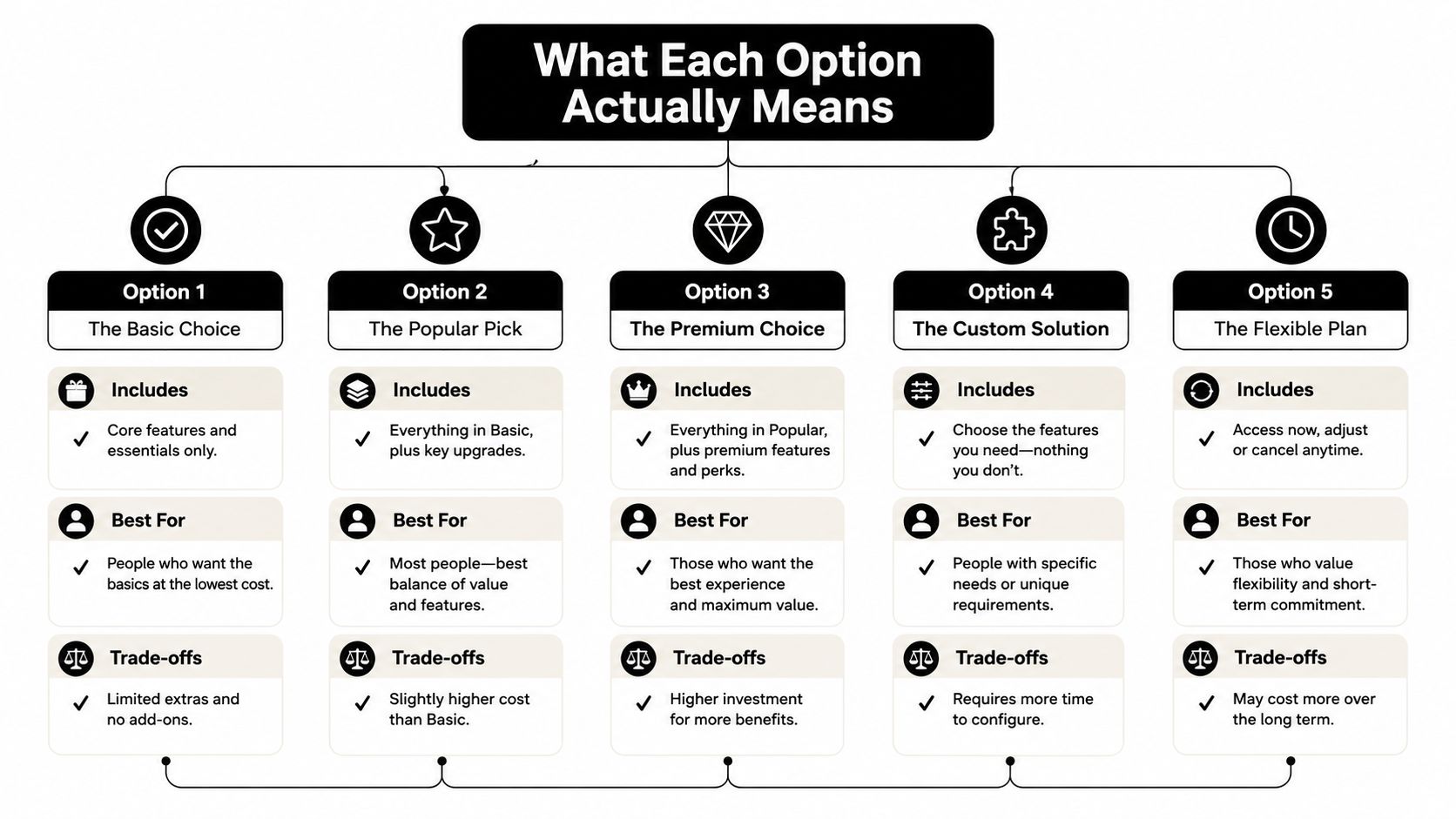
Laser tattoo removal uses targeted light energy to fragment tattoo pigment so the body can gradually clear the smaller particles. Treatment happens across separate appointments rather than in one visit, and sessions are commonly spaced 6 to 8 weeks apart, allowing the skin to recover and the body to process pigment between treatments. Complete clearance is the objective, but results depend on ink color, density, depth, location, age, and the way the tattoo was applied.
A direct cover-up places a new tattoo over the existing one. The artist has to design around the old lines, saturation, and shape, which often means using a larger composition, stronger contrast, darker pigments, or different placement. Cover-ups can be excellent when the original tattoo is small, faded, or compatible with the new concept. They become restrictive when the old ink is dense or heavily saturated.
Fading sits between those paths. Instead of treating until the tattoo is gone, a provider performs a limited laser course to reduce ink density enough for a tattoo artist to work with the skin. Neutral clinical guidance describes cover-up preparation as partial treatment, often requiring approximately 2 to 5 sessions, while full removal generally demands substantially more treatment. The practical objective is not perfect clearance. It's contrast reduction and edge softening.
Apply the same criteria to every path
Use the same questions for removal, cover-up, and fading:
- How many sessions will the skin need? Include both laser and tattoo appointments.
- What will the full journey cost? A low per-visit price doesn't guarantee a low total cost.
- What will the treatment feel like? Laser discomfort is brief and sharp, while tattooing is longer and continuous.
- What is the scarring risk? Technique, settings, healing, and picking matter.
- Does the ink color cooperate? Black and dark blue generally respond more predictably than green, yellow, white, pastel, or fluorescent colors, as outlined in this clinical overview of tattoo ink color and laser response.
- What deadline are you working toward? A cover-up may be visually complete sooner, but healing still takes time.
If you're also researching how targeted laser treatments are used in other cosmetic settings, the overview of laser options for facial rejuvenation offers useful context about how providers match laser technology to a specific treatment goal.
Side by Side on Sessions, Cost, Pain, and Scarring
The choice changes once you account for pigment density, design age, and the result you want later. A direct cover-up can suit a small, faded tattoo. A saturated professional piece may require a larger, darker replacement, which can restrict the design and create another tattoo to manage if your plans change.
Use the table for planning, not promises. A consultation should assess the tattoo itself, your skin, and whether fading can create a better middle path.
Tattoo Removal vs Cover Up Criteria Comparison
| Planning question | Laser removal | Direct cover-up |
|---|---|---|
| Appointment demand | Black ink often takes 6 to 12 sessions, while color may take 10 to 16 sessions, depending on the tattoo and treatment response | Usually 1 to 3 tattoo sessions, depending on design size and complexity |
| Total cost | Use the session cost range above, then account for the number of treatments and recovery time | Artist rates vary by design, size, detail, and time. Prior laser fading adds a separate cost |
| Treatment experience | Often feels like a hot rubber-band snap. The discomfort is brief but sharp | Feels like traditional tattooing, with longer continuous irritation during the appointment |
| Later re-tattooing | A well-healed, cleared area gives an artist the broadest choice of size, color, and detail | The new design can be tattooed again later, but added pigment may make future removal more difficult |
| Effect on design planning | Greater flexibility after meaningful clearance, including the option to leave the skin bare | The original tattoo's footprint, darkness, and shape can dictate the replacement design |
| Timeline pressure | Requires repeated treatment cycles with recovery between appointments | Creates a faster visible change, but the replacement still needs full healing |
| Long-term commitment | Keeps both bare skin and a future tattoo available | Commits you to a new design before you know how you may feel about it later |
Professional and amateur tattoos can require very different treatment plans. A review reports 5 to 10 sessions for amateur tattoos and 15 to 20 for professional tattoos, with rare cases reaching 25 sessions, because professional work often places more pigment deeper in the skin. The same peer-reviewed review of laser tattoo removal explains that pigment color, composition, density, depth, age, location, and total ink also affect treatment demands. For color-specific guidance, refer back to the earlier clinical overview rather than judging the ink by appearance alone.
Practical rule: If the artist has to use heavy blackwork to hide heavy blackwork, get a laser assessment before agreeing to the design.
Scarring deserves a direct answer. Modern lasers used by trained practitioners do not usually scar, but the risk rises when settings are too aggressive, the ink is unusually dense, or the client picks blisters and disrupts healing. A cover-up does not remove that concern. It adds another layer of pigment, and regretting the new tattoo later makes the removal project more complicated.
Review this guide to laser tattoo removal scars for background on how scarring can develop during laser treatment and how providers approach it.
Why Fading First Often Beats Either Choice Alone
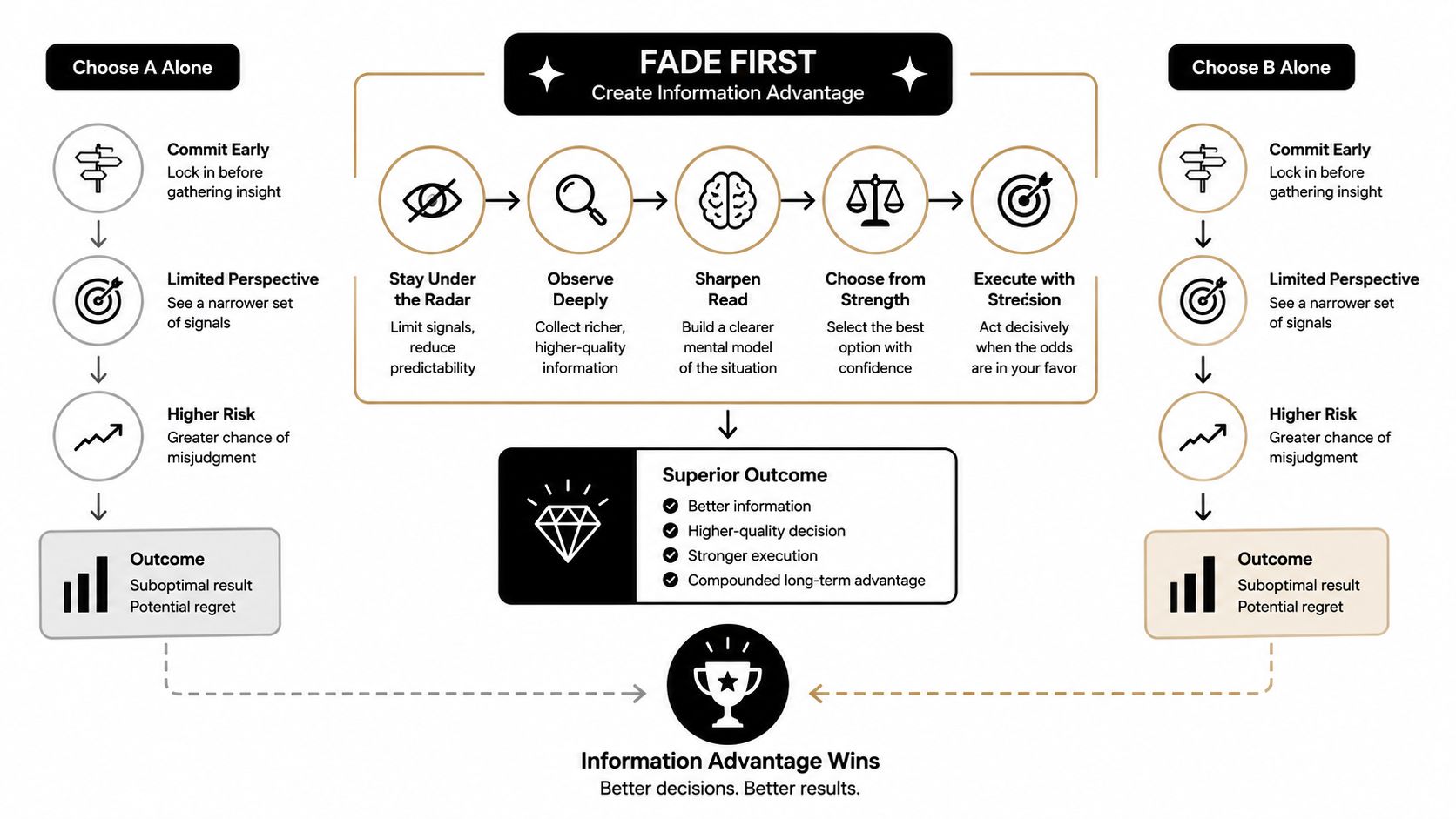
Fading first is often the smartest answer because it separates two jobs. The laser reduces the old tattoo's visual weight. The artist then creates the new design without fighting every dark line underneath it.
A limited course of laser treatment can be planned around the cover-up rather than around total clearance. Clinical research on multiple-pass Q-switched Nd:YAG treatment found average fading of 44.2% with laser plus rapid acoustic pulse, compared with 24.8% with laser alone at 12 weeks, while more than 50% fading occurred in 37.5% of treated tattoos with the combined approach, compared with 9.4% with laser alone. The peer-reviewed study of enhanced single-session fading supports an important planning point: a cover-up needs a usable canvas, not necessarily bare skin.
What the artist gains
A lighter original tattoo gives the cover-up artist more room to use:
- Lighter pigments: The new design doesn't need to rely on black to overpower the old ink.
- Smaller shapes: The artist may not need to expand the replacement far beyond the original footprint.
- Color and realism: Fine shading and lighter transitions are easier to plan when the old tattoo isn't competing beneath them.
- Cleaner edges: Reduced density makes the old outline less likely to remain visible after healing.
Industry guidance describes cover-up preparation as often requiring 2 to 4 laser sessions to lighten ink by roughly 50% to 70%, compared with 8 to 15 or more sessions for full removal. That cover-up fading guidance quantifies why stopping early can be sensible. The provider and artist should agree on the endpoint before treatment begins.
A dense black tattoo, a multicolor piece, a large design, or a cover-up involving realism usually deserves a fading consultation first. Fading may be unnecessary for a small, light, well-placed tattoo that the artist can cover without forcing a bulky design.
The mistake fading prevents
Jumping directly into a cover-up can create a design that technically hides the old tattoo but leaves you with a larger, darker replacement than you wanted. If you later decide that the new piece must be lightened or removed, you'll be dealing with layered ink rather than one original tattoo.
Read how laser fading can prepare skin for a tattoo cover-up before you approve a design that depends on heavy saturation. The right question isn't whether a cover-up is possible. It's whether the proposed cover-up is worth living with.
Matching the Right Path to Your Real Life
The best clinical plan can still be wrong if it ignores your deadline. A person preparing for a wedding has a different decision from someone seeking bare skin for enlistment. A professional with a visible hand tattoo has less room for compromise than someone who can move a new design onto the torso.
Four common situations
Career pivot: If the tattoo sits on the hands, neck, or forearms and your target industry has strict appearance expectations, choose full removal or substantial fading. Partial fading may make the tattoo less noticeable, but it won't guarantee that the area appears clear. If you can relocate the visual focus to the torso with a new design, a cover-up may be acceptable.
Wedding in 6 to 12 months: Full clearance rarely fits comfortably inside that window, especially for dense professional or multicolor work. Fading followed by a strategically designed cover-up is usually more realistic, provided you leave enough time for laser recovery and tattoo healing.
Military enlistment: If current visible-ink rules require clear skin or compliance with specific size and content standards, choose full removal. A partially faded tattoo is still a tattoo during inspection, so fading alone isn't a reliable solution.
Aesthetic refresh: If you still want body art but dislike the current design, a direct cover-up may work when the original is light and compatible. For darker work or a lighter replacement concept, pre-fading protects the new design from unnecessary visual weight.
Best Path by Use Case
| Use Case | Best Path | Sessions | Approx. Cost | Timeline Pressure |
|---|---|---|---|---|
| Visible career tattoo | Full removal or aggressive fading | Removal commonly 6 to 12 sessions for black ink, with color often requiring 10 to 16 sessions | Removal commonly $150 to $450 per session | High if interviews or employment policies are approaching |
| Wedding within 6 to 12 months | Fade first, then cover-up | Fading often 2 to 4 sessions, followed by tattooing | Laser sessions commonly $150 to $450 each, plus artist rates | High. Plan around healing, not just appointment availability |
| Military enlistment | Full removal | Clinical averages often fall around 7 to 10 treatments, though individual tattoos vary | Per-session pricing commonly falls around $150 to $450 | Very high. Confirm the applicable standards before treatment |
| Aesthetic refresh | Direct cover-up or optional pre-fade | Usually 1 to 3 tattoo sessions, with fading added if needed | Artist rates plus any laser sessions | Moderate. Design quality should drive the schedule |
The broader market reflects increasing interest in this service category. A 2025 market estimate valued global tattoo removal at USD 980.39 million and projected USD 2,103.08 million by 2034, while North America held approximately 39.57% of the market in 2025, according to this tattoo removal market estimate. Those figures don't decide your treatment, but they show that removal planning now has to account for real-life deadlines, not just aesthetic preference.
EradiTatt Tattoo Removal offers free consultations for people considering either a fade-first plan or complete removal, including clients in Central and West Florida who need a treatment path matched to a specific deadline.
Pain, Healing, and Aftercare on Each Path
Your calendar matters as much as your pain tolerance. Laser removal is usually brief but requires repeated healing windows. The sensation is sharp, like rapid snaps against the skin, and a session may take 5 to 20 minutes, depending on tattoo size. Frosting and pinpoint bleeding can appear during the first 24 to 48 hours. Surface healing often takes 10 to 14 days, and sessions are generally spaced 6 to 8 weeks apart so the skin can recover and the ink can continue fading.
Cover-up tattooing usually means a longer appointment in one sitting. Expect 1 to 3 hours under the needle, depending on the design and tattoo size. Aftercare may include second skin or cling film for 3 to 5 days, regular moisturizing for about two weeks, and careful sun avoidance for 4 to 6 weeks.
Recovery follows the treatment
A fade-first plan adds the two recovery periods in sequence. You protect the lasered skin first, wait for healing and fading, then manage a separate tattoo recovery period after the new design is applied. That sequence takes longer than a direct cover-up, but it can give the artist a cleaner canvas and more design flexibility.
- Laser recovery: Keep the area clean, follow the provider's dressing instructions, and leave blisters or crusting alone.
- Tattoo recovery: Follow the artist's instructions for covering, washing, moisturizing, and reducing friction.
- Sun protection: Avoid sun exposure throughout recovery because pigment changes and irritation can affect the result.
Picking a blister can turn a routine recovery into a preventable scar.
Scarring risk stays low when an experienced practitioner uses suitable settings and you follow wound-care instructions. Aggressive treatment, poor care, picking, and repeated irritation raise that risk. Cover-ups also carry ordinary tattoo-related scarring risks. Layered ink creates another practical problem: if you later want removal, the new tattoo may be harder to treat than the original alone.
Ask the provider to explain expected blistering, pigment response, wound care, and symptoms that require follow-up. Request written aftercare instructions. Clear directions are more useful than vague reassurance.
How to Choose and What to Ask Your Provider
A client may arrive wanting bare skin, then realize a lighter cover-up would solve the problem sooner. Decide the endpoint before discussing equipment. State whether you want complete removal, a less visible tattoo, or enough fading for a new design. A provider who cannot separate these goals may offer a generic plan that wastes sessions or leaves the artist with a difficult canvas.
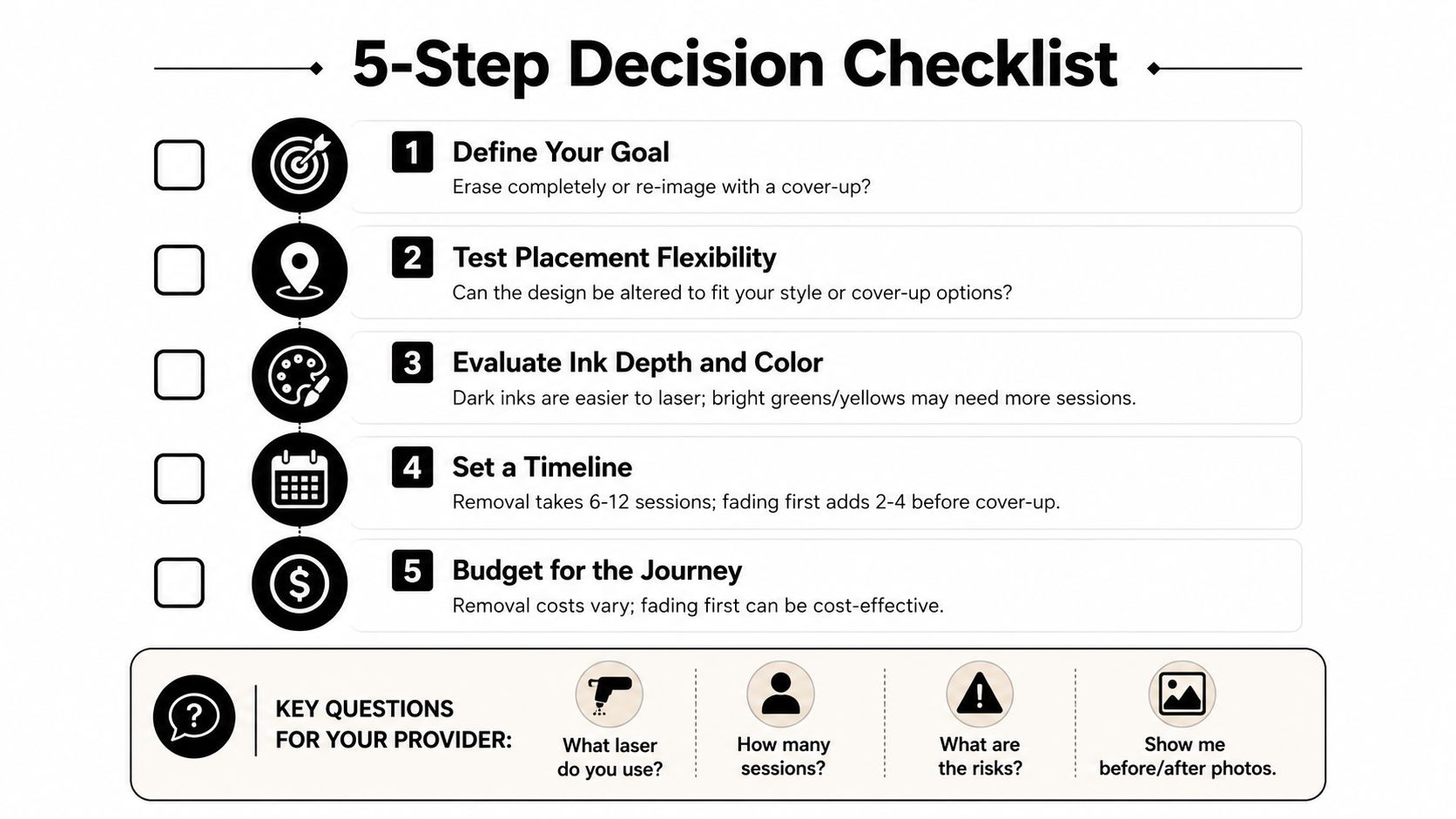
Use a five-part decision flow
- Define the finish. Choose complete erasure, reduced visibility, or a replacement design.
- Test placement flexibility. Decide whether the new tattoo can move, expand, or shift to another body area.
- Evaluate color and depth. Black and dark blue usually respond more predictably. Green, yellow, white, pastel, and fluorescent pigments require more careful planning.
- Set the deadline. Work backward from interviews, weddings, enlistment dates, travel, or another fixed event.
- Budget for the full journey. Count laser visits, tattoo sessions, consultations, healing time, and possible design revisions.
Fading often makes the strongest middle path. It can shorten the route to a clean-looking cover-up while preserving the option of continuing toward removal. Ask the provider which endpoint they recommend and why.
Ask, “Which laser platform are you using, and why does it suit my ink?” Picosecond lasers are widely treated as a modern benchmark, but the device name does not prove that the plan fits your skin. The practitioner should explain how skin tone, pigment colors, tattoo density, location, and pigment-change risk affect treatment.
Bring a consultation script
Use these questions directly:
- “How many sessions do you estimate for fading, and how many for full removal?”
- “Which colors in my tattoo may respond slowly?”
- “What endpoint shows that my skin is ready for a cover-up?”
- “What side effects should I expect during healing?”
- “How do you manage blistering, pigment changes, or scarring?”
- “Can I see healed results on skin tones and ink colors similar to mine?”
- “Will you coordinate with my cover-up artist if I am fading rather than removing?”
Read how to prepare for tattoo removal before treatment. Arrive ready to discuss sun exposure, medications, skin condition, and the design you may want afterward.
EradiTatt's consultations assess the tattoo first, then outline either calibrated fading for cover-up preparation or a progressive removal plan. Session expectations should be discussed before treatment, and a future cover-up artist can be included when complete removal is not the goal.
EradiTatt Tattoo Removal provides consultations for complete removal and controlled fading before a cover-up, with plans customized for tattoo size, color, skin, and lifestyle deadlines. Visit EradiTatt Tattoo Removal to discuss the target result and practical next step.
2 Responses