
You're standing in front of the mirror, turning your shoulder, wrist, or rib tattoo under the light and asking the same blunt question is tattoo removal worth it? The honest answer is that it can be, but only when the result you want matches the tattoo you have, the timeline you can live with, and the treatment course you're willing to finish.
For some people, the value is a clean slate before a wedding, a new job, military enlistment, or a life change that makes the old design feel out of step. For others, the win is simpler, a lighter tattoo that no longer pulls attention in the wrong setting. The right answer depends less on hype and more on the practical trade-off between sessions, healing, ink color, skin type, and the goal you're really chasing.
Table of Contents
- Why People Question Whether Tattoo Removal Is Worth It
- How Laser Tattoo Removal Actually Works
- Factors That Determine Your Removal Success
- Full Removal Versus Fading for a Cover-Up
- What to Expect During and After Each Session
- Realistic Timelines and Session Requirements
- Making Your Decision and Taking the Next Step
Why People Question Whether Tattoo Removal Is Worth It
A consultation often begins with a familiar kind of regret. Someone looks at a tattoo they once chose with confidence and says it no longer feels like part of them. The reason changes from person to person, a new job, a relationship shift, a family milestone, or a design that no longer fits the life they are living. The question is rarely about the ink alone. It is whether the tattoo still fits the person wearing it and the situations they face.
What “Worth It” Usually Means in Real Life
For many adults, worth it does not mean a perfect blank slate. It means reducing the tattoo enough that it stops creating friction, whether that friction is visual, professional, or social. In underserved populations, the main motivations were employment (66%), readiness to change life (47%), maturity (47%), family (43%), and negative attention from tattoos (37%), which shows how often removal is tied to opportunity and self-image rather than appearance alone. Those motivations come from a study of tattoo-removal clients in an underserved population, where affordability also remained a major barrier, as discussed in a related review of the cost question at why tattoo removal is expensive and in the Springer article on motivations and barriers.
Practical rule: if the goal is a new start for work, family, or a major event, the real measure of value is life fit, not whether the ink disappears in one sitting.
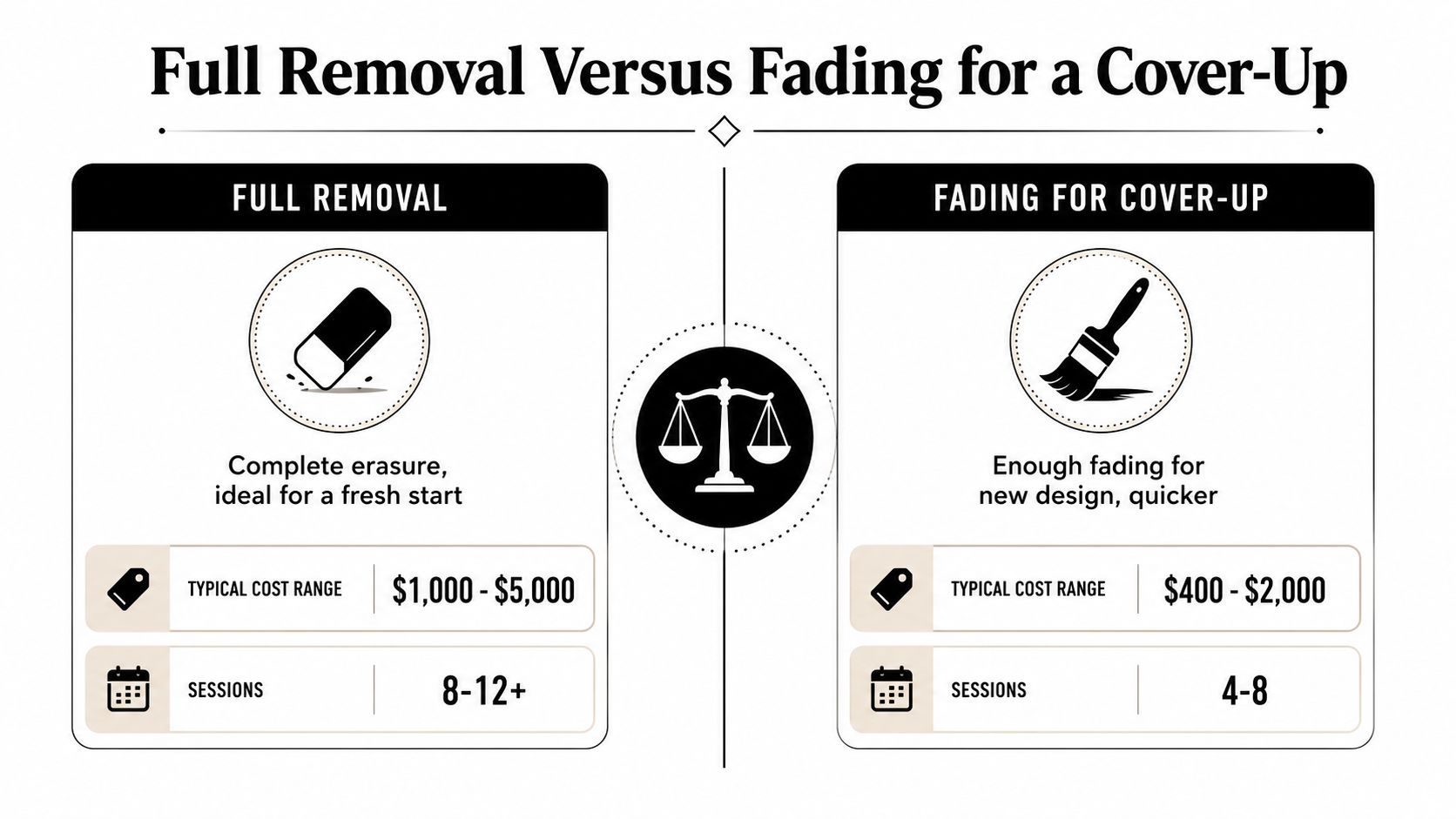
The strongest decisions start with a clear target. Some people want full removal, some want a cleaner appearance under business clothing, and some only need enough fading to support a cover-up. That difference matters because the same tattoo can be a weak candidate for total removal and still be a good candidate for meaningful fading.
Full removal also carries a different treatment horizon than fading. If you want the tattoo gone as completely as possible, the process usually asks for more patience and a higher tolerance for uncertainty. If you only need it less visible, the value can show up sooner, with less pressure on the final result and more room to judge progress by how the tattoo fits daily life.
How Laser Tattoo Removal Actually Works
A client sits down expecting the ink to vanish after a few flashes of light, then learns the process is slower and more controlled. That expectation shift is part of the job. Laser removal does not wipe pigment away like a surface stain, it delivers energy into the tattoo, breaks the ink into smaller pieces, and gives the body time to clear those fragments between visits.
The Mechanism in Plain Terms
Tattoo ink lives in the dermis, below the skin layer that naturally sheds. Those pigment particles are too large for ordinary turnover to remove, so the laser has to do the first part of the work by targeting the ink with short pulses of energy. After that, the immune system handles the cleanup over the following weeks.
Different wavelengths are used for different ink colors, and the skin needs time to recover between sessions. That spacing is not an optional pause, it is part of how the treatment works. The staged approach gives the skin a chance to heal and gives the body room to carry away the fragmented pigment, which is why practical counseling from clinical references on tattoo removal stresses patience and session planning. If you want a broader look at the variables that change progress, this guide to tattoo removal progress factors lays out the main ones.
The laser breaks the pigment, your body removes the fragments, and that delay is exactly why patience is part of the treatment.
The choice of laser matters as well. A 2020 systematic review found Q-switched Nd:YAG lasers to be safe and effective overall, while picosecond lasers performed better for blue, green, and yellow pigments (PubMed systematic review). That is not a promise that every tattoo clears the same way. It means the device has to match the ink, the color, and the skin in front of it.
People often ask whether one appointment can finish the job. In practice, the answer is no for most tattoos, because the body does the clearing work between sessions. That built-in rhythm is what makes laser removal a process, not an instant fix, and it is also why the decision is often about whether the treatment horizon fits a life change, a cover-up plan, or the amount of fading someone needs.
Factors That Determine Your Removal Success
A tattoo that looks straightforward on day one can behave very differently once laser treatment begins. The question is not how it looks on the skin now, but how its ink, placement, and skin response will affect the path to removal.
Ink Color, Skin Type, and Tattoo Age
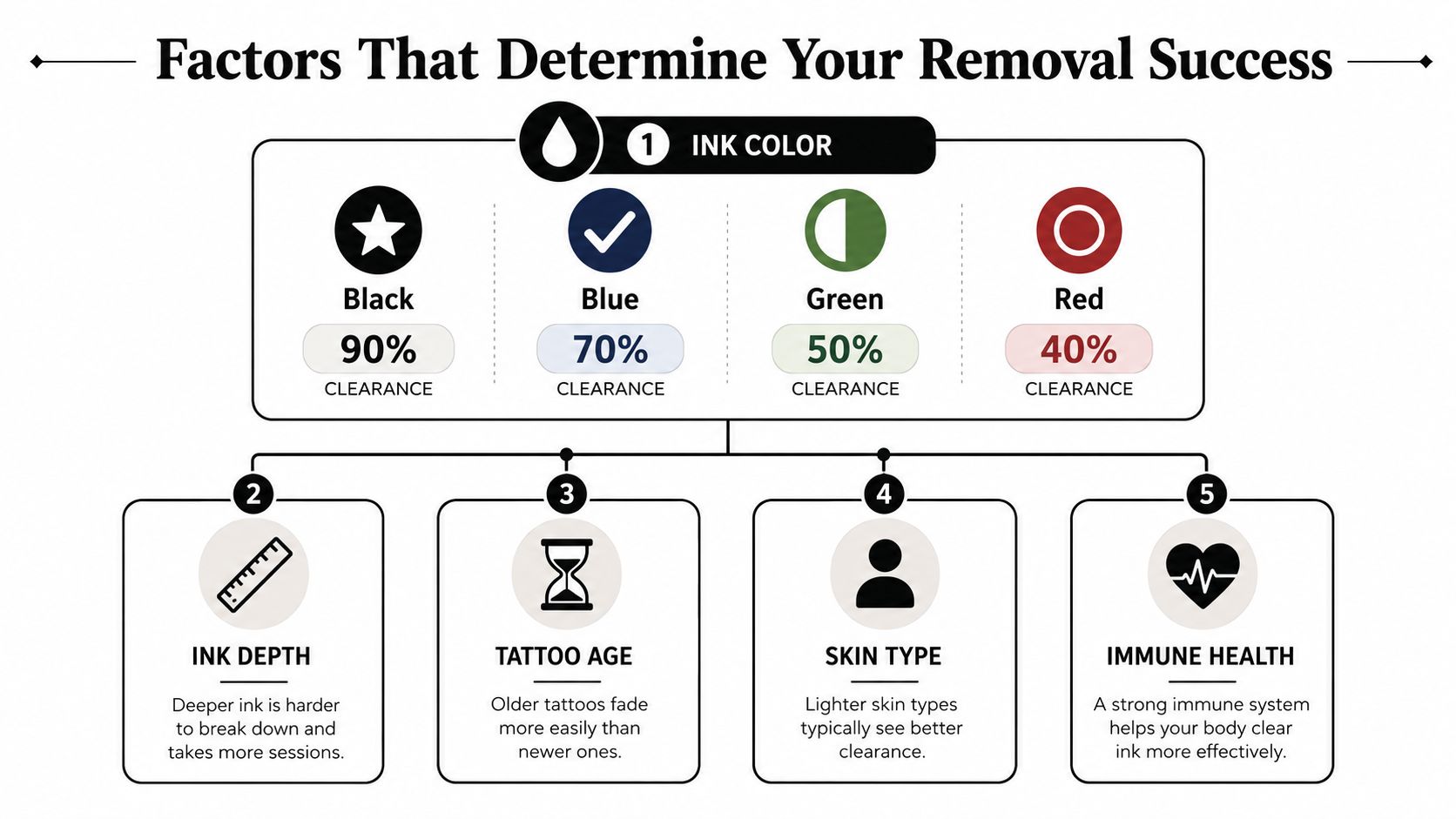
Color is where expectations usually get corrected first. Black ink on fair skin is often the easiest combination to treat, while blue, green, and yellow pigments tend to be more stubborn and may need more sessions or a different laser approach. In clinic, I also watch for skin type, because the same setting that works well on one patient can be too aggressive for another.
Tattoo age, ink density, placement, and skin type all change the pace. A dense professional tattoo usually responds differently than a lighter amateur design, and tattoos on areas with less circulation or slower healing can take longer to fade. That is why broad promises are unreliable. A careful consult is about reading the tattoo in front of you, not guessing from a photo.
Why Some Tattoos Clear Better Than Others
Clinical progress is usually gradual, not dramatic. In one large study, successful tattoo removal improved as patients completed more laser sessions, which is exactly what I see in practice, a few treatments rarely tell the full story, but steady fading often does. That is also why people who need a tattoo gone for a job change, a major life event, or a fresh cover-up plan should think in treatment horizons, not just in one appointment.
The bottom line is simple. A tattoo with black ink, fair skin, and limited layering is usually a better candidate than a multicolor, heavily saturated design. That does not make a difficult tattoo impossible, it means the goal may need to shift from complete removal to enough fading for a new piece to sit cleanly. For a broader look at the variables that slow or speed progress, see this guide on 6 factors that can affect tattoo removal progress.
Clinical insight: The strongest candidates are not always the smallest tattoos. They are the tattoos whose color, placement, and aftercare habits fit the physics of laser removal.
Full Removal Versus Fading for a Cover-Up
A lot of regret starts with the wrong target. One client wants bare skin for a new job, a wedding, or a major life change. Another only needs enough clearance for a cover-up artist to work over the old piece without fighting dark ink.
Matching the Goal to the Method
Full removal asks more of the skin and more of the timeline. Mayo Clinic notes that complete removal is difficult and that some scarring or skin color variation may remain regardless of method, so total erasure should never be treated as a promise. Cleveland Clinic also lists risks such as scarring, infection, pigment changes, and pain or discomfort, and the FDA says laser tattoo removal can be safe and effective when done by a trained health care professional (Mayo Clinic, FDA tattoo removal guidance).
Fading for a cover-up is often the more practical win. It reduces the visual density of the old tattoo without requiring every trace of ink to disappear, which gives a new artist a cleaner base to build on. Healthline describes laser removal as the mainstream option because it balances effectiveness with lower scarring risk, while surgical removal can take out a tattoo in one session but carries a high scarring risk (Healthline tattoo removal overview).
When Fading Is the Smarter Win
Fading is usually the better target when the tattoo is large, dark, or placed in an area where full clearance would take a long time. It also fits people who need a cleaner professional appearance, not blank skin. That is a different goal, and it should be planned that way.
If the next artist only needs a softer base, the value equation changes. You may not need total removal to get the result you want. For cover-up planning, that often makes fading the more honest choice, because it matches the treatment to the outcome instead of chasing perfect erasure. A helpful consumer-facing overview is available at preparing for a tattoo cover-up.
What “Worth It” Looks Like in Practice
The right decision depends on the horizon in front of you. If the tattoo has to disappear for a career change or personal milestone, full removal may justify the longer process. If the goal is to make room for a stronger design, fading can deliver the better return because it preserves time, reduces frustration, and still gets the skin to a usable point.
That is where candid expectations matter. Black ink over lighter skin often responds better than multicolor ink that has been packed in heavily, but even a difficult tattoo can still become useful with the right plan. A tattoo does not have to vanish completely to be worth treating. In many real cases, enough fading is the outcome that makes the whole process worthwhile.
What to Expect During and After Each Session
A first session usually feels less dramatic than people expect, but it is still uncomfortable. Clients often describe it as sharp heat, snapping, or a strong sting. The point is not to minimize that feeling. The point is to know what is normal so the first visit does not catch you off guard.
During the Treatment
Laser removal commonly causes temporary frosting, and standard clinical descriptions place that reaction at fading within about 30 minutes. The pale, frosted look is the skin's immediate response to the laser, not a sign that the treatment failed. Redness and swelling usually follow, and minor blistering can happen as part of the healing process.
Comfort control matters. Trained providers often use cooling devices, numbing methods, or both, because the goal is to treat the tattoo without creating avoidable irritation around it. The FDA says laser tattoo removal can be safe and effective when performed by a trained health care professional (FDA tattoo removal guidance). In real clinic work, that means the equipment has to match the skin type, the settings have to be chosen carefully, and the operator has to pay close attention to how the skin is responding throughout the session.
Aftercare That Protects Results
Redness and tenderness usually settle within 3 to 5 days, although the surface can stay sensitive longer depending on the tattoo's size, its location, and how your skin reacts. Good aftercare is straightforward, keep the area clean with fragrance-free soap, avoid soaking, do not pick at scabs or pop blisters, and protect the site from friction while it heals.
If the skin looks angry for a few days, that is not unusual. If the reaction is getting worse instead of easing, the provider should reassess it.
Spacing matters as much as the session itself. CareCredit notes that many people need repeated visits about six weeks apart so the body has time to clear fragmented pigment (CareCredit tattoo removal timeline). That waiting period is part of the treatment plan, not wasted time between appointments. It is how the skin clears ink safely, and it is one reason the choice between full removal and fading for a future cover-up depends on your real timeline, whether you are working toward a new job, a wedding, or another visible life change. For people who want to explore advanced aesthetic procedures, Promd Columbia is one place to compare options.
Realistic Timelines and Session Requirements
A tattoo can be on your skin for years, but removal is measured in appointments, healing, and patience. The question is usually not whether the tattoo can be changed. It is whether the result you want is worth the treatment horizon you can live with.
What the Treatment Horizon Usually Looks Like
Clinical guidance commonly places tattoo removal in the 4 to 15 treatment range, depending on tattoo age, ink color, placement, and how it was applied. Some people clear sooner, while others need more visits because the ink is dense, layered, or resistant.
That difference matters in real life. A client trying to be ready for a new job, a wedding, or another visible life change often cares less about the abstract idea of removal and more about whether the timeline fits the event. If a full clear is too slow, fading for a cover-up can still deliver real value.
A large cohort study found cumulative success reached 47.2% after 10 sessions and 74.8% after 15 sessions (JAMA Dermatology study). That pattern reflects how removal behaves in the clinic, progress is often gradual, then more noticeable once sessions accumulate. Stopping early can leave you with partial fading instead of the outcome you were hoping to reach.
| Number of Sessions | Cumulative Success Rate | What This Means |
|---|---|---|
| 10 sessions | 47.2% | Many clients are partway through the process, but full clearance is still not the usual result at this stage. |
| 15 sessions | 74.8% | Clearance improves materially when clients complete more of the treatment course. |
How to Judge Whether the Timeline Fits Your Life
The worth-it decision becomes practical fast. If you need a final result by a fixed date, full removal may not line up with your plan, but fading can still be enough to improve appearance or support a stronger cover-up. If you can return for repeated visits and let the skin recover between them, the longer course becomes much easier to justify.
Skin type, ink color, and tattoo placement also affect how well the timeline matches your expectations. Darker ink generally responds better than bright or complex color work, and tattoos in areas with more healing stress can take longer to settle between sessions. A provider should talk through those trade-offs before you commit, not after you have already started.
For clients comparing tattoo work with other skin-focused treatments, it can help to explore advanced aesthetic procedures so they understand how removal fits into a broader appearance plan. The point is not to stack services without a plan. It is to choose a sequence the skin can tolerate and a goal that matches the time you have.
Decision rule: Tattoo removal is usually worth it when the goal matters enough to justify a slow treatment curve and the tattoo's features make meaningful progress likely.
Making Your Decision and Taking the Next Step
A tattoo removal decision usually comes down to what has to change in your life and how much time you have to let the skin respond. A client trying to clean up a visible tattoo for a job interview, a wedding, military requirements, or a long-planned cover-up is asking a different question than someone who wants the ink gone someday.
A Simple Decision Framework
Start with the goal. Full removal, fading for a cover-up, and making a tattoo less visible for work or family reasons all lead to different treatment plans. Then look at the tattoo itself. Dark ink, fair skin, and cleaner line work usually respond better than dense color, heavy saturation, or tattoos that have already been layered and reworked.
The next question is whether your timeline fits the treatment process. Laser removal takes repeated visits, and results depend on staying consistent long enough for the skin to recover between sessions. Skin that heals well between treatments usually stays on a better course than skin that is constantly irritated, picked at, or overexposed to heat and friction.
- Primary goal: Decide whether you want full removal, useful fading, or a cleaner base for a new tattoo.
- Timeline: Make sure you can return for repeated visits and wait for healing between them.
- Tattoo characteristics: Review color, depth, placement, and layering with a qualified provider.
- Aftercare discipline: Keep the area clean, dry, and protected between visits.
- Provider quality: Choose a trained health care professional using appropriate laser technology.
Real-world motivation matters here. If a tattoo is tied to a career change, a relationship shift, a new public-facing role, or a cover-up you already plan to get, fading can be the smarter target even when full removal would take longer. If the tattoo is small, dark, and uncomplicated, full removal is more likely to be worth the time. If the design is saturated with stubborn colors or sits in an area that heals slowly, the better decision may be to aim for improvement rather than perfection.
For people in Florida, EradiTatt Tattoo Removal offers laser tattoo removal with locations in Orlando, Bradenton/Sarasota, St. Petersburg, Palm Harbor, and Tampa, along with consultation scheduling through a central phone line or direct clinic contact. That kind of access matters when treatment only works if you can keep showing up.
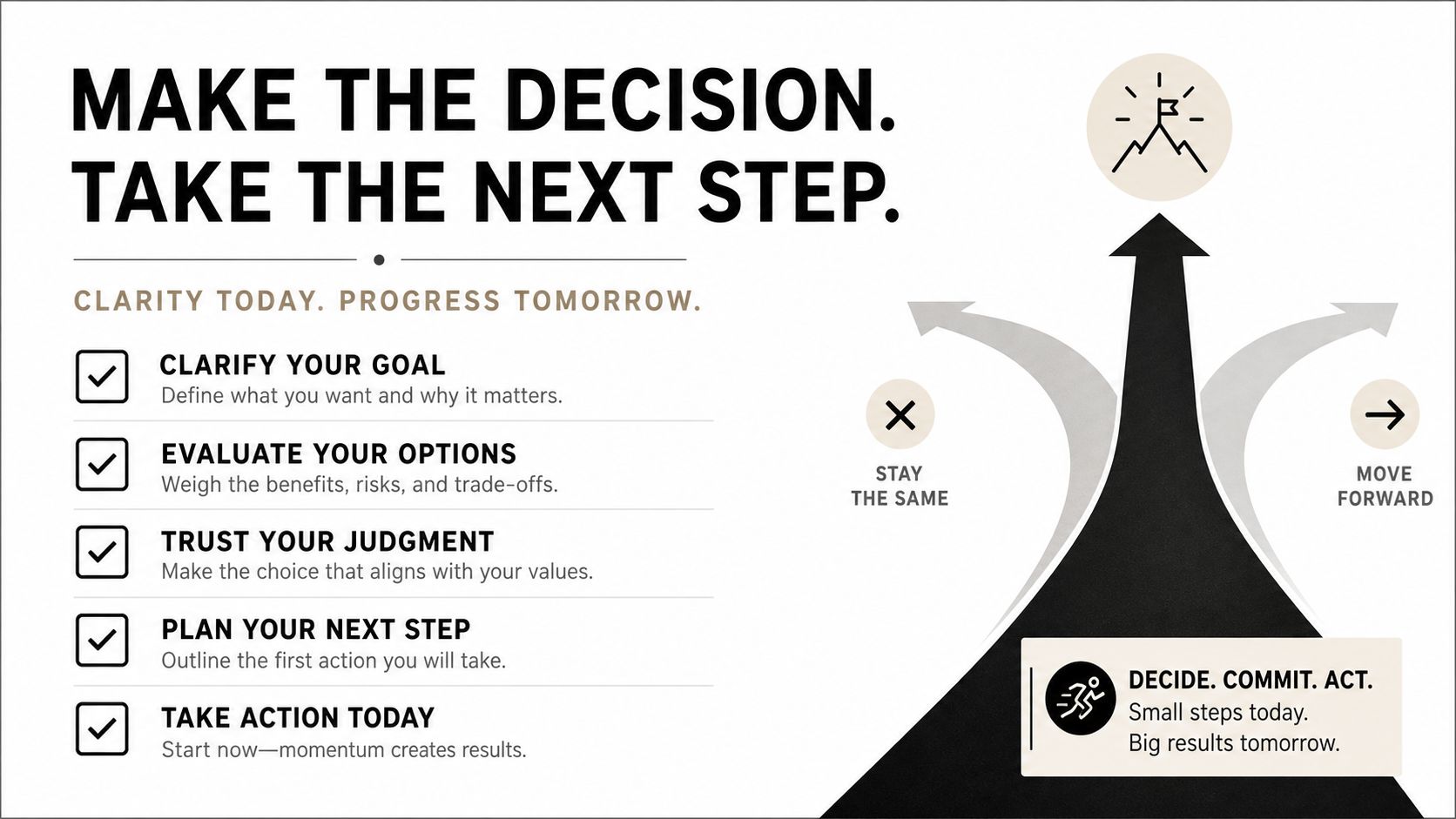
The clearest next step is a consultation with a provider who can evaluate the ink, your skin, and the likely treatment horizon in plain terms. EradiTatt Tattoo Removal can walk you through that decision with a plan built around your actual goal, whether that is full removal or fading for a cover-up. Visit EradiTatt Tattoo Removal to schedule a consultation and see what your timeline really looks like.