
Redness after laser tattoo removal is normal, and it typically lasts 48 hours to 2 weeks. In some cases, redness and swelling can last up to 8 weeks, especially if your skin is more reactive or the tattoo contains problem pigments.
If you're reading this right after a session and checking the area every few hours, that's understandable. Most clients want to know the same three things. Is this normal, what should I do, and when should I worry? In most cases, redness is a normal part of the healing process, and it usually settles from a few days up to two weeks.
The key is knowing what normal healing looks like, what helps, and what signals that you should contact your provider or a medical professional.
Understanding Why Redness is a Normal Part of Healing
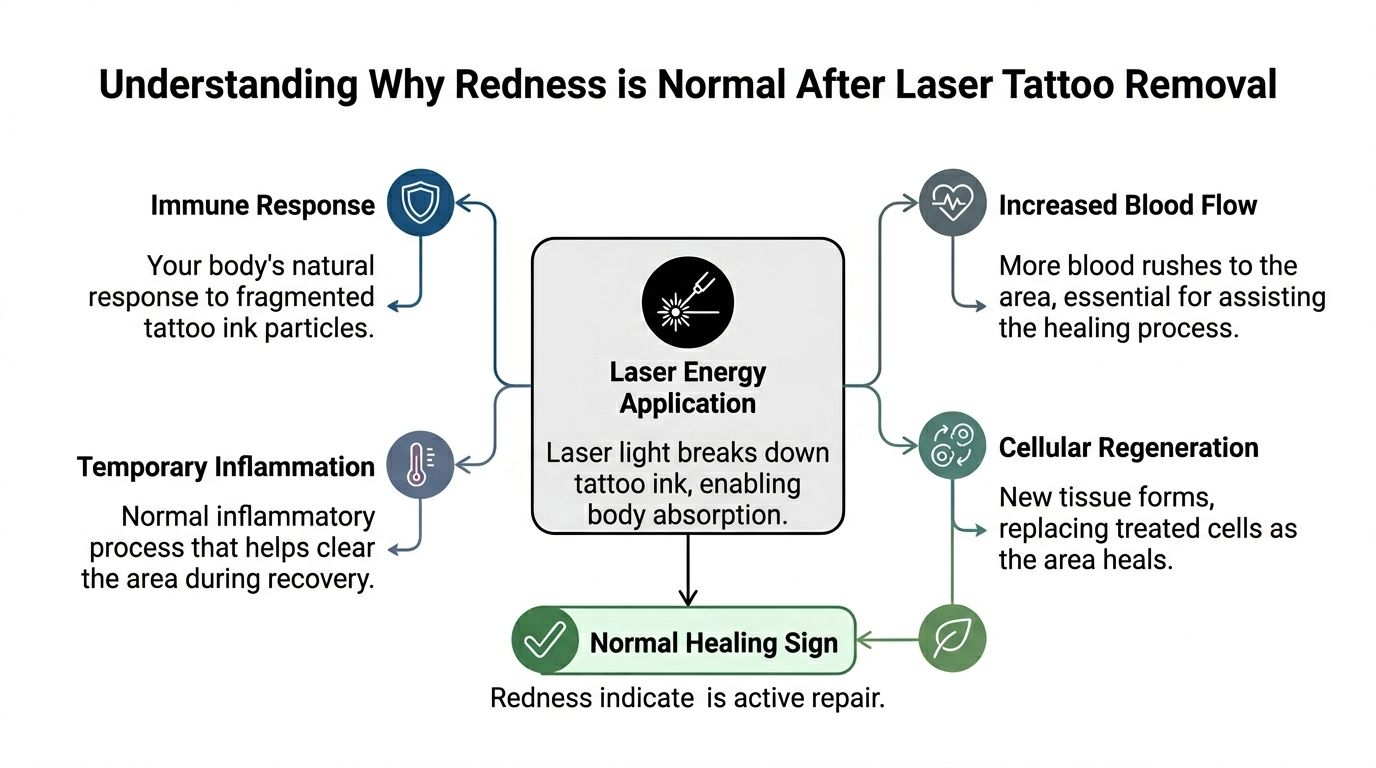
Redness after laser tattoo removal happens because the skin is reacting to a controlled treatment, not because something automatically went wrong. The laser targets tattoo pigment, breaks it into smaller fragments, and your body starts dealing with that debris right away.
A simple way to think about it is a controlled demolition. The laser doesn't scrape the tattoo out of the skin. It breaks the ink apart so your body can gradually carry it away. After that happens, your immune system moves in like a cleanup crew.
What the laser does to the tattoo
When the laser hits the pigment, it creates a precise injury in the treatment zone. That sounds harsh, but it's the intended mechanism. The body responds to the fragmented pigment and the temporary tissue stress by increasing blood flow to the area.
That increased blood flow is one of the main reasons the skin looks pink, red, or warm afterward. Mild swelling can come with it. Tenderness can too.
Why inflammation is actually useful
Inflammation has a bad reputation because people associate it with irritation. In this setting, a certain amount of inflammation is productive. Your body is responding to broken pigment, repairing skin tissue, and starting the long process of flushing ink out through normal immune pathways.
Redness after laser tattoo removal usually means your body is doing the work it needs to do.
This is why redness by itself isn't the best measure of whether a treatment was "too strong." What matters more is the pattern. If the redness stays localized to the treated area, gradually improves, and isn't paired with escalating pain, that usually fits a normal healing response.
What tends to make redness more noticeable
Some skin reacts more visibly than other skin. Tattoos in areas with more friction can also stay irritated longer because clothing rubs, heat builds up, or the area gets bumped during the day. If the skin barrier is already compromised before treatment, the post-session redness can feel more dramatic.
That's one reason general skin recovery habits matter. If your skin is easily irritated, learning how to repair your skin barrier can help you understand why gentle cleansing, reduced friction, and proper moisturizing make such a difference after laser work.
A useful mindset is this. Redness is expected. Escalation is not. Healing skin often looks active before it looks calm.
A Timeline of Typical Redness and Skin Recovery
Individuals often feel better once they know what the next few days are supposed to look like. The stress usually comes from not knowing whether the skin is following a normal pattern.
Practitioner guidance confirms that redness commonly lasts 48 hours to 2 weeks, and expert consensus notes that some redness and swelling can persist up to 8 weeks in certain cases. The same source notes that transient side effects such as swelling and redness occur in about 17.2% of patients post-session, while most still complete treatment without complications according to clinical guidance on tattoo removal recovery.
Right after the session
Immediately after treatment, the area often looks more irritated than clients expect. The skin may appear flushed, feel warm, and look slightly raised. Some tattoos also show a temporary whitening effect right after treatment, which can be startling if you've never seen it before.
At this stage, the skin is reacting to the laser event itself. It doesn't tell you the final result of the session. It only tells you your body has started responding.
The first few days
The first 48 to 72 hours are usually when redness and swelling feel most obvious. The area can feel tight, sensitive, and mildly hot to the touch. If clothing rubs over it, you'll notice it more.
A lot of clients expect steady improvement hour by hour. That's not how it usually looks. It's common for the area to seem more inflamed later the same day or the next morning before it starts settling.
If your tattoo looks angrier on day one than it did an hour after treatment, that can still be completely normal.
The first one to two weeks
This is the range where most standard redness settles. The skin may stay pink longer than it stays sore. That difference matters. Color often lingers after the tenderness has already improved.
During this stretch, some people also notice dryness, light flaking, or a rougher texture over the treated area. That's part of surface recovery. What you want to see is a slow trend toward calmer skin, even if it isn't perfectly linear.
Here's a practical way to understand it:
| Time period | What you may notice | What usually matters |
|---|---|---|
| Same day | Redness, warmth, sensitivity | Expected early response |
| First 48 to 72 hours | Peak irritation, mild swelling, tenderness | Still typical if localized |
| Days after that | Color softens, discomfort drops, skin may feel dry | Normal recovery pattern |
| Up to 2 weeks | Residual pinkness or mild sensitivity | Often still within normal range |
| Longer recovery cases | Redness may linger much longer in reactive skin | Worth checking if it's not steadily improving |
Factors that can shift the timeline include your skin sensitivity, tattoo location, how much friction the area gets, and whether certain pigments are more reactive.
For a broader walk-through of what early healing can look like, this guide on what to expect after your first laser tattoo removal session is useful if you're in the first stage of treatment and trying to compare your experience to a normal recovery track.
How to Safely Manage Redness at Home
The best aftercare is usually boring. Cooling the area, keeping it clean, reducing friction, and leaving it alone do more than aggressive home remedies ever will.
People often make redness worse by over-treating it. They scrub, apply too many products, cover it too tightly, or keep checking it with unwashed hands. Healing skin doesn't need a project. It needs calm conditions.
What helps in the first few days
Use simple measures first. They work more reliably than trend-driven products.
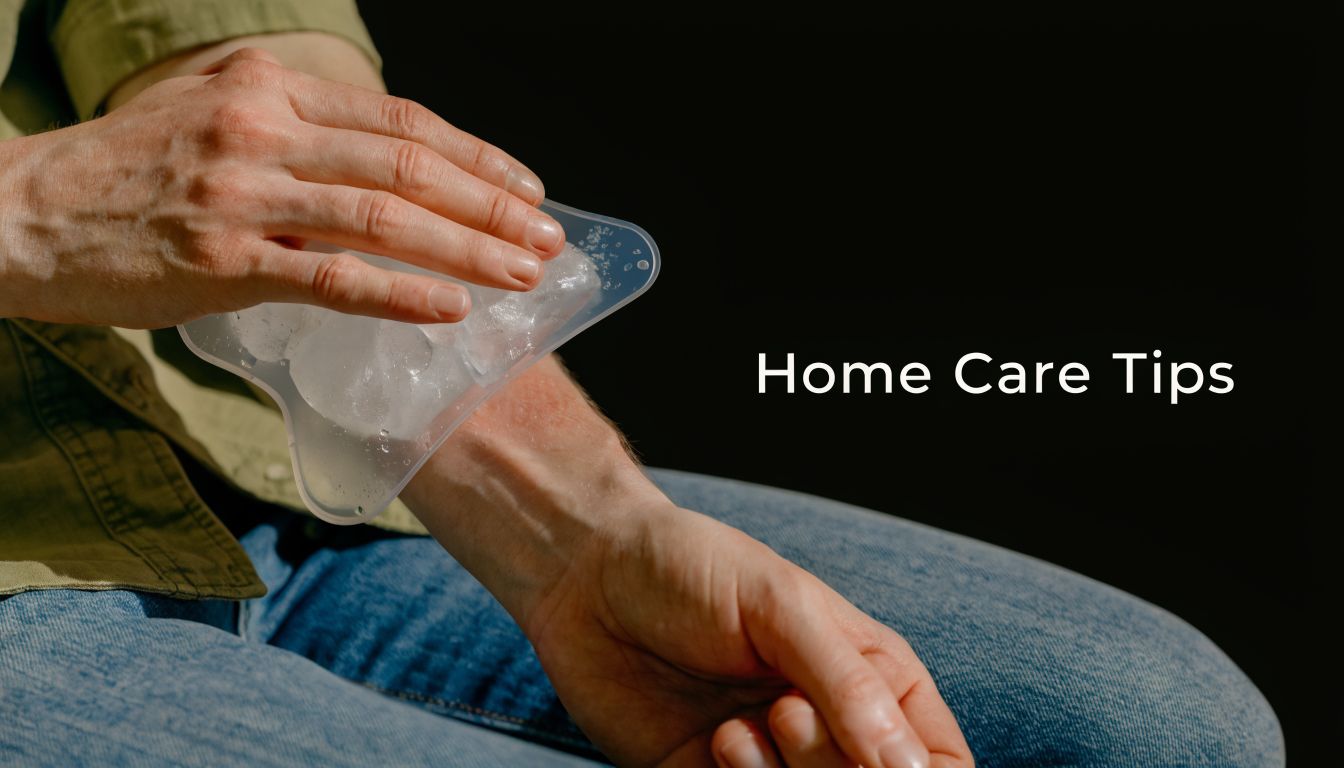
- Cold compresses: Apply a clean, cool compress to the area in short sessions. This helps settle heat and swelling without irritating the skin further.
- Gentle cleansing: Wash with mild soap and water once your provider says it's appropriate. Pat dry. Don't rub.
- Loose clothing: Friction keeps the skin irritated. If the tattoo is under a waistband, sleeve seam, bra strap, or athletic fabric, expect more redness unless you reduce contact.
- Approved ointment or moisturizer: Use only what your provider recommends. Too much product can trap heat and soften the skin too much. Too little can leave the area dry and more reactive.
What usually makes redness worse
Some of the most common mistakes are easy to avoid.
Practical rule: If a product stings, heats the area up, or makes the skin look shinier and angrier, stop using it unless your provider specifically told you to expect that reaction.
Avoid these while the area is settling:
- Hot showers and heat exposure: Heat increases flushing and can make the area look redder for longer.
- Gym friction and sweat: Heavy exercise too soon can irritate the treatment site, especially in high-movement areas.
- Picking or scratching: Even mild itching doesn't mean the area needs to be touched.
- Strong skincare products: Acids, retinoids, exfoliants, fragranced lotions, and alcohol-heavy products often create more irritation than relief.
If your skin is reactive in general
Clients with easily irritated skin often do best with a stripped-down routine. If your skin reacts to new products, seasonal changes, or laundry detergent, treat the area like healing sensitive skin first and tattoo removal second.
This overview of sensitive skin care is a useful reference if you're trying to understand why your skin overreacts to friction, fragrance, or temperature changes.
A good home plan is simple:
- Cool it.
- Clean it gently.
- Protect it from rubbing.
- Use only the aftercare products you were told to use.
- Reach out early if the reaction doesn't follow the normal pattern.
If you want a deeper overview of post-treatment care habits that support better healing, read why aftercare matters after laser tattoo removal.
When to Be Concerned Red Flags Versus Normal Healing
Redness is expected. Spreading, worsening redness is different. Here, people need a clear line.
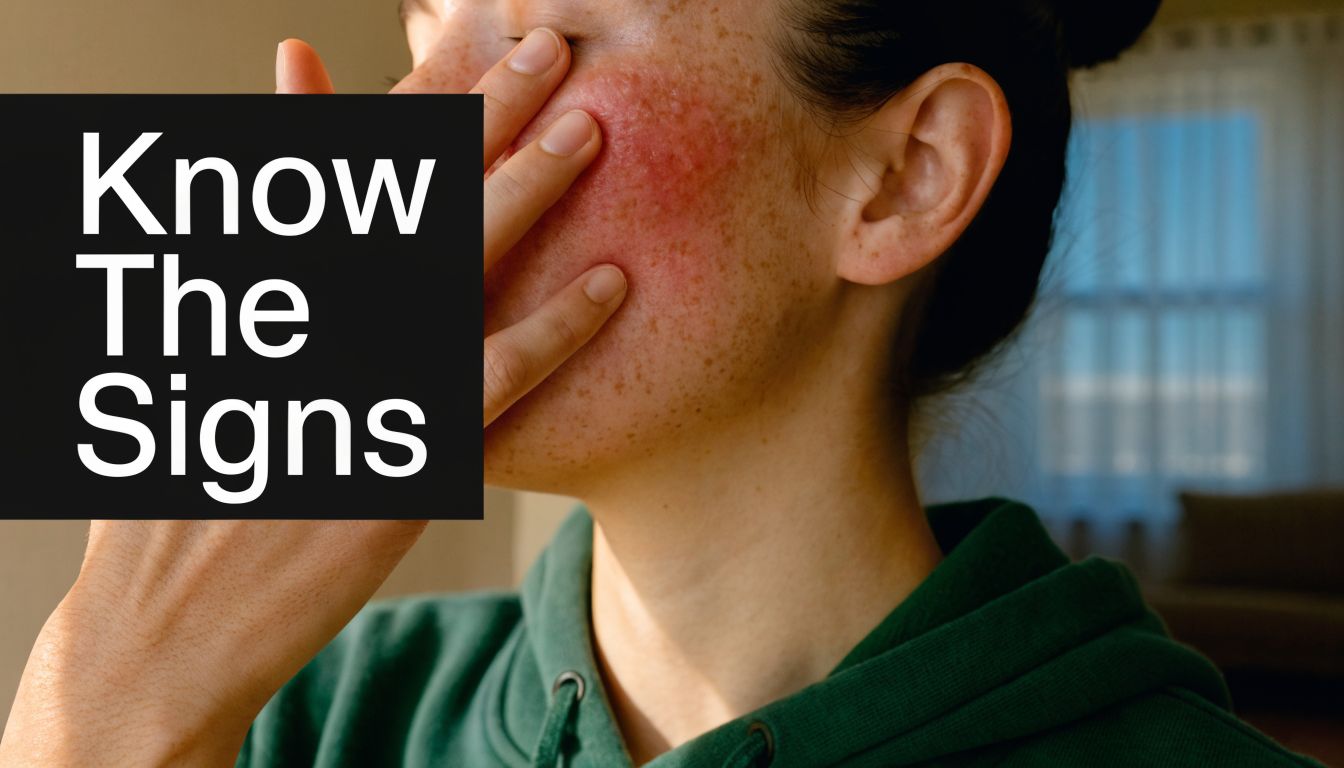
One of the most useful rules in practice is to watch the trend, not just the color. Skin can look quite red and still be healing normally. What raises concern is when the area becomes more painful, hotter, or more widespread instead of gradually settling.
Normal healing versus warning signs
Clinical observations note that prolonged redness lasting more than five days, especially when it expands beyond the treated area and comes with escalating pain and heat, can indicate infection. The same guidance notes infection risk may be 10% to 20% higher in patients who don't follow aftercare protocols, and signs such as red streaks, pus, or fever require prompt medical attention according to guidance on infection after tattoo removal.
This comparison helps:
| More consistent with normal healing | More concerning |
|---|---|
| Redness stays within the treated area | Redness spreads outward |
| Mild warmth that gradually settles | Increasing heat |
| Tenderness that improves | Escalating pain |
| Temporary swelling | Swelling that worsens instead of easing |
| Mild itching or irritation | Pus, fever, or red streaks |
Signs that deserve fast follow-up
A provider should hear from you quickly if you notice any of the following:
- Expansion beyond the tattoo: The red area starts moving outside the treatment border instead of staying centered on the tattoo.
- Escalating pain and heat: The site feels more inflamed each day rather than less.
- Drainage or pus: This points away from ordinary irritation and toward possible infection.
- Fever or red streaks: Those are medical red flags, not wait-and-see symptoms.
A separate issue to keep in mind
Not every prolonged red reaction is an infection. Sometimes the body is reacting to the ink itself, especially if the tattoo has a history of being itchy, raised, or unpredictable. That's one reason post-treatment review matters. The treatment plan may need to change depending on the pattern.
When the skin's story doesn't match a normal healing timeline, get eyes on it early.
If you want a more detailed breakdown of symptoms that need quick attention, this article on signs of infection after tattoo removal can help you sort normal irritation from a true complication.
Proactive Tips to Minimize Redness Between Sessions
The easiest redness to manage is the redness you set up your skin to handle well. What happens between sessions matters more than most clients think.
Skin that goes into treatment already irritated, sun-exposed, dry, or inflamed tends to react more dramatically afterward. Skin that gets time to recover usually behaves better at the next appointment.
Habits that improve your odds
- Protect the area from sun exposure: Recently irritated skin and recently tanned skin are both harder to manage well.
- Keep the skin in good condition: Dry, chafed skin often responds with more visible irritation after treatment.
- Stay honest about past tattoo reactions: If a tattoo has ever become itchy, raised, or inflamed on its own, say so before the next session.
- Don't rush your schedule: More treatment isn't always better treatment if the skin hasn't fully settled.
Why color history matters
Red pigment deserves special attention. Clinical reviews note that allergic reactions to tattoo pigments, most commonly red ink, can significantly prolong and intensify redness after a session. Reviews also describe Type IV delayed hypersensitivity as one reason this happens, especially when laser fragmentation increases allergen exposure, as explained in this review of allergic tattoo reactions after laser treatment.
That doesn't mean every red tattoo is a problem. It means prior itchiness, swelling, or unexplained flare-ups are important details, not side notes.
If a tattoo has ever acted "angry" before treatment, your technician needs that information. The safest plan may involve a more conservative approach, longer spacing, or extra monitoring instead of pushing aggressively.
How EradiTatt Supports Your Healing Journey
Good laser work doesn't stop when the session ends. The recovery plan matters just as much as the treatment itself, especially when a tattoo contains reactive colors or the skin has a history of sensitivity.
That support starts before the first pulse of laser energy. A proper consultation should look at the tattoo's color mix, location, skin behavior, and any history of unusual reactions. For tattoos with red pigments, expert protocols recommend screening for red ink allergies during consultation because laser fragmentation can increase exposure to allergenic compounds, as discussed in this clinical review on hypersensitivity and tattoo removal planning.
What practical support should include
Clients do best when they know exactly what to expect and who to contact if the healing pattern changes.
That means:
- Consultation screening: Especially for tattoos with red pigment or a history of irritation.
- Personalized spacing: Some tattoos and some skin need a slower pace.
- Clear aftercare instructions: Not generic advice, but specific guidance for cleaning, protecting, and monitoring the area.
- Access to follow-up help: Questions after treatment are normal. Support shouldn't disappear once you walk out the door.
Why that matters for Florida clients
In Florida, heat, sweat, sun exposure, and friction from daily life can all complicate healing if clients aren't prepared. People heading to work, the gym, the beach, or major life events need practical instructions, not vague reassurance.
A strong support system helps clients make better decisions between sessions. It also catches problems early, especially when redness behaves outside the expected pattern.
If you're dealing with redness after laser tattoo removal and want experienced guidance from a team that understands skin healing, fading plans, and complete removal across Florida, schedule a consultation with EradiTatt Tattoo Removal. Their team can help you understand what's normal, how to care for the area, and how to move through each session with a clear, personalized plan.