
You've just left a laser tattoo removal appointment, and the treated area looks more dramatic than you expected. The skin may be pink, warm, swollen, or covered in a temporary white frosting effect. A little tingling can feel unsettling, especially when you're unsure whether the reaction is normal or whether you've done something wrong.
The most important decisions happen after the laser session. The laser has fractured tattoo pigment in the dermis, but your immune system still has to transport and clear those fragments. What not to do after tattoo removal matters because picking, ultraviolet exposure, soaking, heat, and friction can damage the temporary skin barrier that protects this process.
Table of Contents
- Understanding Your Skin Immediately After Treatment
- Why You Must Never Pick Blisters or Scabs
- The Hidden Dangers of Sun Exposure and Tanning
- Avoiding Pools, Hot Tubs, and Heavy Exercise
- Adjusting Aftercare for Higher Risk Skin Types
- Safe Alternatives and Positive Healing Steps
Understanding Your Skin Immediately After Treatment
Right after a PiQo4 session, the tattoo may look white or frosted. This temporary effect comes from the laser's rapid interaction with the treated tissue and usually fades as the immediate reaction settles. Mild tingling, warmth, redness, tenderness, and localized swelling can also occur as the skin responds to controlled laser energy.
That reaction doesn't mean the skin has been “burned clean” or that all the ink has disappeared. The laser breaks pigment into smaller fragments inside the dermis, then immune cells gradually help carry those fragments away. Healing begins immediately, but the skin's surface is temporarily more vulnerable while it repairs itself.
Practical rule: Treat the area like healing skin, not like an ordinary patch of tattooed skin.
The first 24 to 48 hours deserve the most careful handling. Keep the area clean and dry, avoid direct heat, and don't rub it with a towel, clothing, or a washcloth. A cool compress wrapped in clean fabric can help with discomfort, but ice shouldn't touch the treated skin directly.
Normal reactions can include redness, swelling, tenderness, itching, blistering, and crusting. The key is the direction of change. Skin that gradually becomes calmer is generally following the expected course, while worsening pain, spreading redness, pus, or a reaction that concerns you should be reported to your treatment provider.
If you're still choosing a clinic or preparing for treatment, a practical tattoo removal near me guide can help you think through provider selection, consultation questions, and location. Once treatment is complete, your priority is simple: protect the area while the body does the slower work of clearing fragmented ink.
Why You Must Never Pick Blisters or Scabs
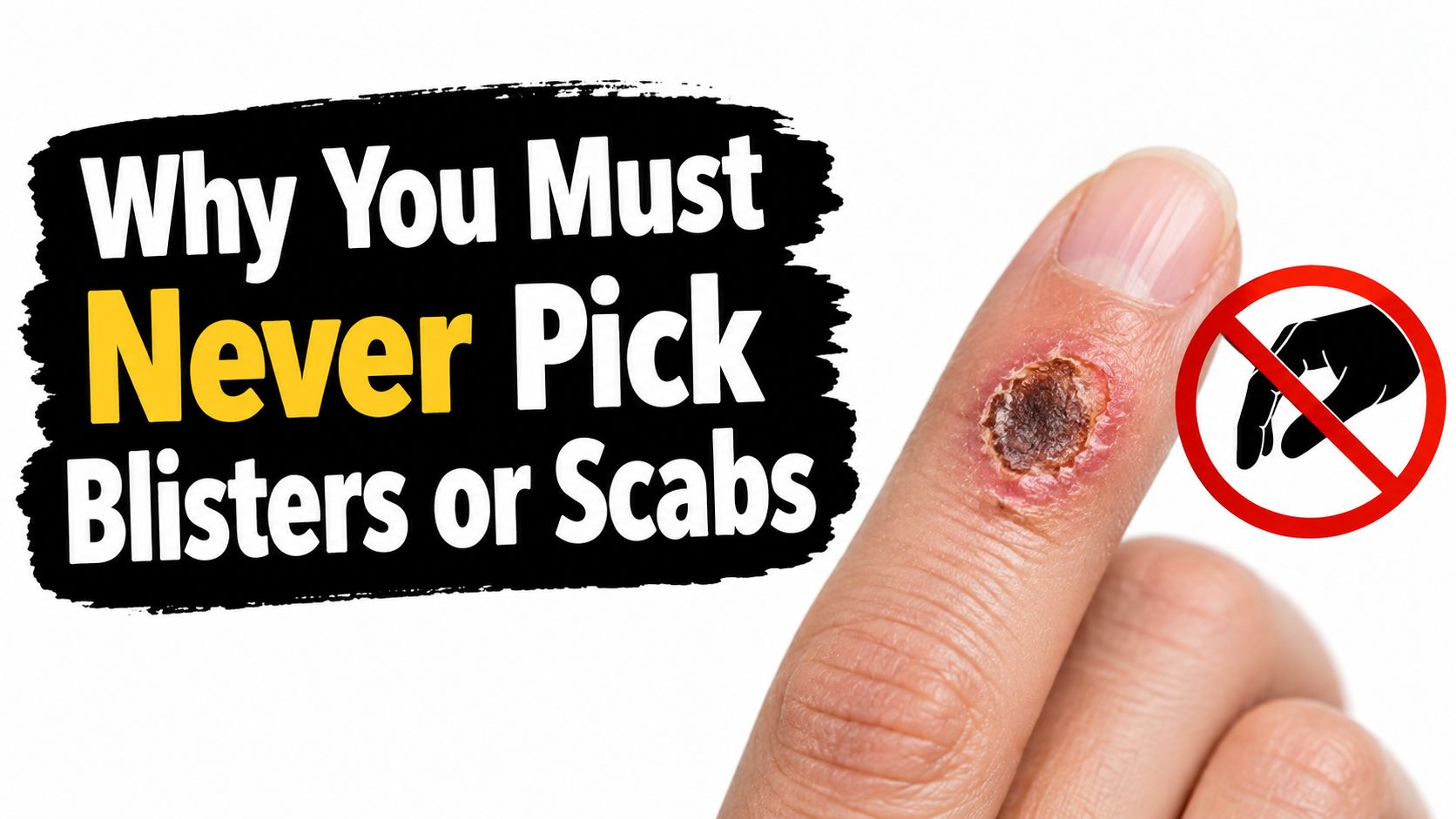
Blisters and scabs can look like problems you need to fix. In most cases, they're part of the body's protective response. The blister roof and scab form a biologic dressing, shielding regenerating epidermal cells from bacteria, friction, and unnecessary mechanical injury.
When you pop or peel that covering, you expose tissue that hasn't finished rebuilding. You also create an opportunity for bacteria to enter and make the immune system deal with infection or inflammation instead of concentrating on repair and ink clearance.
What to do when the area itches
Leave small, intact blisters alone. They often resolve spontaneously within a few days, and scratching them can tear the fragile skin underneath. If a blister opens on its own, don't pull away the remaining skin flap. Clean the area gently, follow the ointment and dressing instructions provided by your practitioner, and reduce friction from clothing.
A large blister that feels painful or excessively tight shouldn't be punctured casually at home. Contact the clinic that treated you and ask whether it needs professional drainage. If drainage is appropriate, it should happen under clinical direction rather than with a needle, fingernail, or household tool.
Why scarring usually follows interference
Picking a blister or scab is identified as the single most common cause of scarring after laser tattoo removal, with clinical estimates suggesting scarring occurs in roughly 3 out of 100 treated patients according to Mayo Clinic's tattoo removal guidance. The laser session can produce a controlled injury, but removing the protective covering adds avoidable trauma.
Resist the urge to “check the progress” by lifting a scab. The color underneath may look pink, pale, or uneven before the skin settles, and that temporary appearance doesn't tell you whether the tattoo is clearing successfully. For more detail on managing this stage, see this clinical guide to tattoo removal blisters.
The Hidden Dangers of Sun Exposure and Tanning
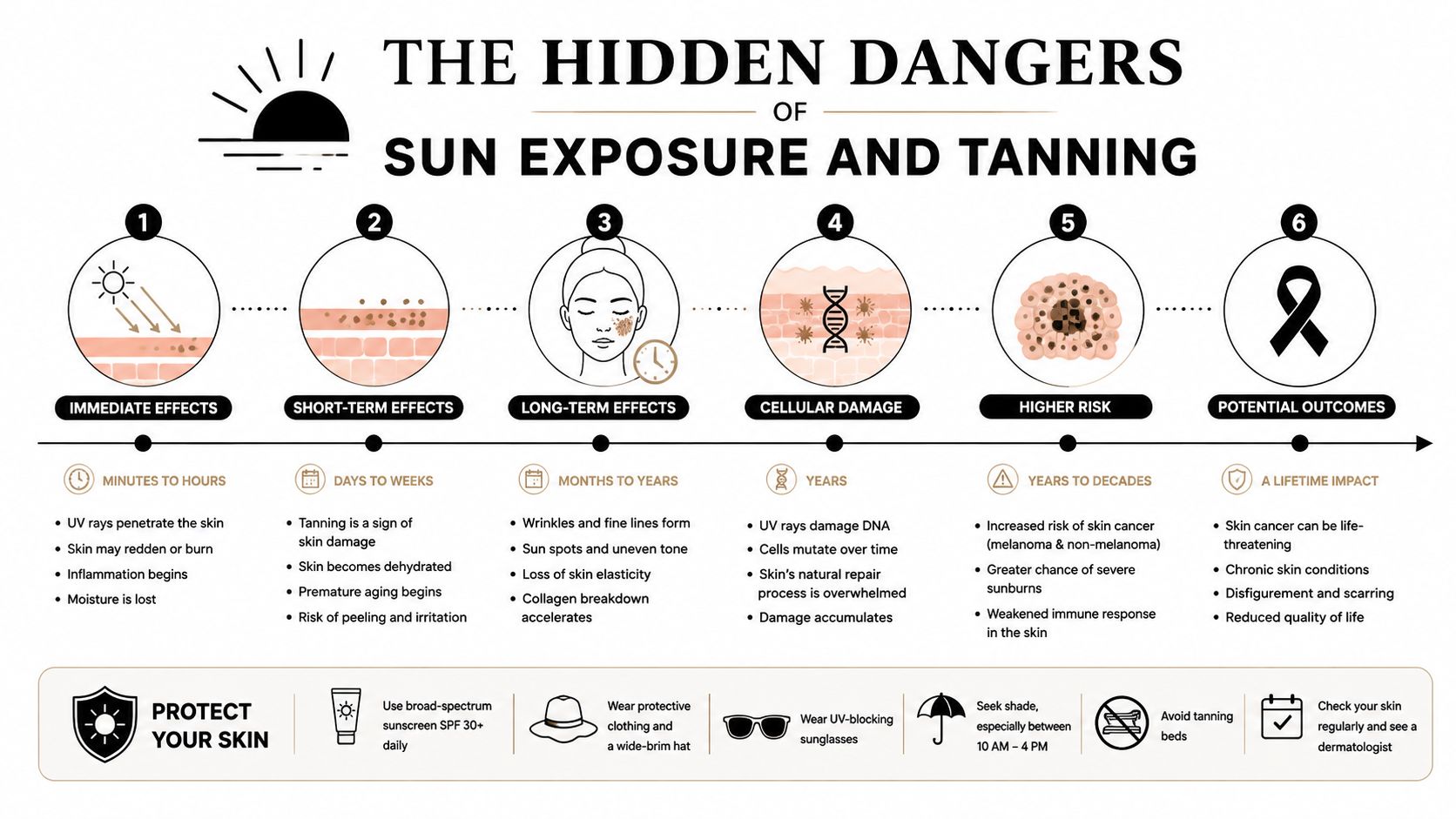
Freshly treated skin reacts differently to ultraviolet light. Laser energy has already activated an inflammatory healing response, and UV exposure can push pigment production in the wrong direction. The result may be post-inflammatory hyperpigmentation, where the area becomes darker, or hypopigmentation, where it becomes lighter than the surrounding skin.
These changes can remain visible after the tattoo itself has faded. Sun exposure can also intensify irritation and complicate the recovery of a damaged skin barrier, so tanning isn't a harmless way to make the treated area blend in.
Clinical guidance advises minimizing sun exposure for at least 2 weeks after treatment, using SPF 30 or higher and reapplying it every 2 hours when outdoors to help prevent pigment changes, as explained by the Cleveland Clinic's tattoo removal guidance. The American Academy of Dermatology also advises protecting treated skin from the sun for 3 months, so a conservative approach extends well beyond the first few days.
Practical protection that works
Cover the area with loose clothing whenever possible. Clothing is especially useful during the early period when the skin is blistered, crusted, or not ready for sunscreen. Don't use tanning beds, and don't deliberately expose the area to direct sunlight.
Once the skin has fully closed and no longer has open blisters, crusts, or scabs, broad-spectrum sunscreen can become part of your routine. The goal isn't cosmetic perfection. It's to prevent a temporary inflammatory reaction from becoming a stubborn change in skin tone.
Sun protection is a treatment rule, not a beauty preference.
Some aftercare recommendations use a shorter minimum of at least 1 week and ideally several months, with clothing and broad-spectrum SPF 30+ once appropriate, as described in this aftercare overview. Follow your provider's individualized advice if it's more restrictive, particularly if you're prone to pigment changes.
Avoiding Pools, Hot Tubs, and Heavy Exercise
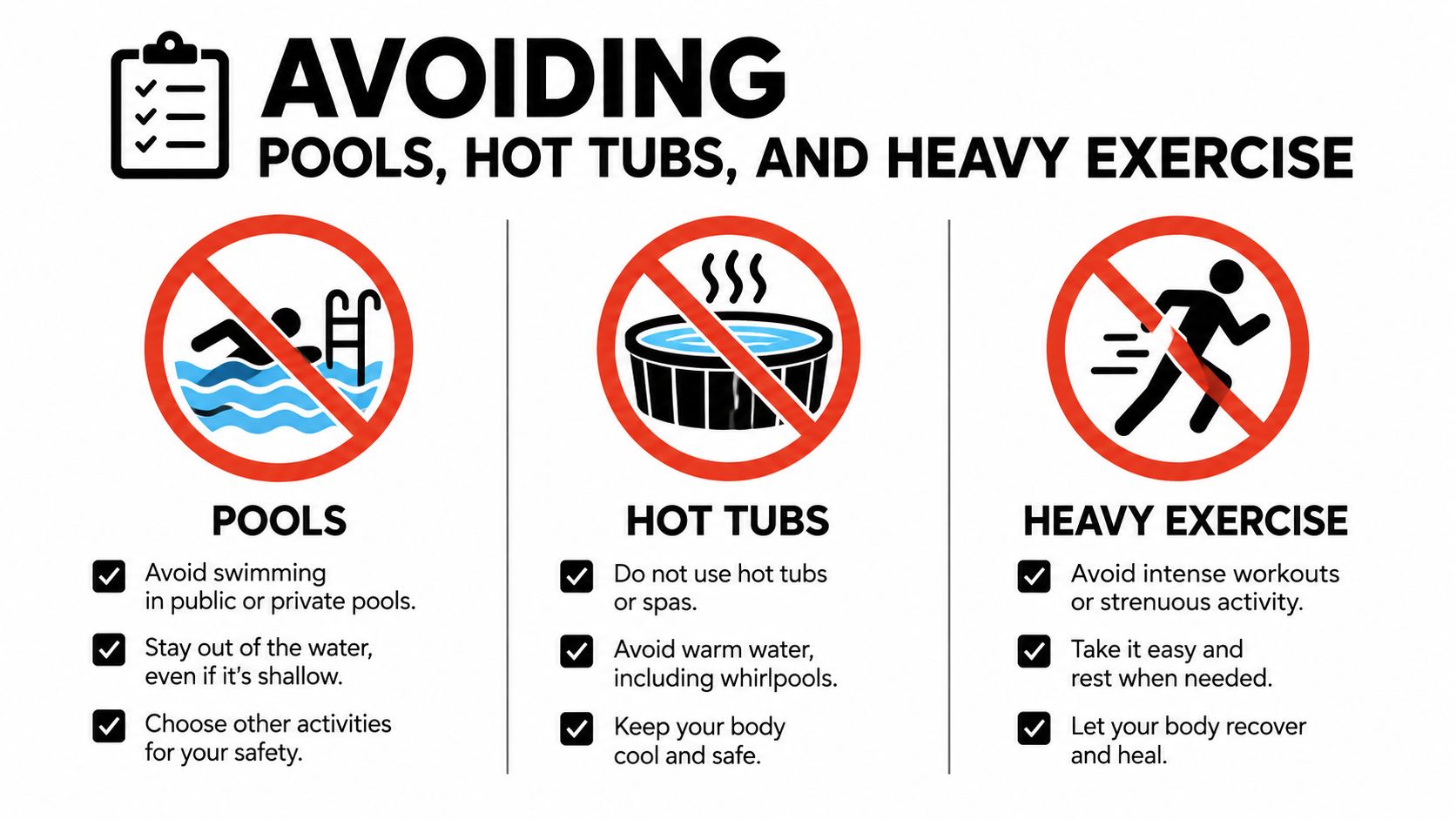
The treated area may look small, but a compromised skin barrier can turn everyday activities into avoidable exposure. Pools, hot tubs, oceans, baths, and saunas combine moisture, heat, chemicals, or microorganisms with skin that may be blistered or crusted.
That's why submerging the area isn't merely a cosmetic concern. Water can soften protective crusts, introduce bacteria, and increase the chance of infection. Heat can intensify redness and swelling, while sweat can irritate the area and sit against healing skin.
Strenuous exercise and excessive heat, including hot showers and saunas, should be avoided for 24 to 48 hours, while swimming pools and the ocean should be avoided for at least 15 days to reduce infection risk, according to clinical aftercare guidance from StatPearls.
Adjust your routine without stopping movement entirely
A short break from high-intensity training is usually easier than dealing with irritated skin or an infection. Avoid workouts that cause heavy perspiration, rubbing, stretching, or pressure across the treated area during the early window. Gentle movement may be reasonable if it doesn't create friction or sweat around the site, but your provider's instructions should take priority.
Showers are different from soaking. Use cool or lukewarm water, gentle soap, and low pressure around the area. Pat the skin dry with a clean towel instead of rubbing it.
Vacation planning also matters. If a session falls just before a beach trip, pool day, or spa visit, discuss the timing with your clinic rather than assuming a waterproof covering makes immersion safe. You can find additional practical guidance in this post-laser tattoo removal aftercare resource.
Adjusting Aftercare for Higher Risk Skin Types
Generic aftercare assumes every person's skin responds in the same way. It doesn't. A person with darker skin, a history of keloids, prior pigment problems, or a cosmetic tattoo may need a more cautious plan and closer observation than someone with a lower risk profile.
Clinical reviews document delayed pigment changes, hypopigmentation, hyperpigmentation, textural changes, allergic reactions, residual pigmentation, and paradoxical darkening of some cosmetic tattoos. These outcomes don't mean treatment is automatically unsuitable, but they do mean that a short, universal checklist can leave important questions unanswered.
A review of laser tattoo removal complications supports more conservative, risk-stratified aftercare for darker skin types and people with prior keloids, particularly because pigment and textural changes may develop later rather than immediately. Read the clinical review of tattoo removal complications and use it as a prompt for a detailed consultation, not as a substitute for one.
Questions worth raising before treatment
Tell your practitioner if you've previously developed raised scars, unusually dark marks after cuts or acne, or light patches after inflammation. Also identify cosmetic tattoos, including permanent makeup, because their pigments can behave differently from conventional tattoo ink.
Ask how the clinic will handle:
- Skin tone and pigment risk: Find out what protection and monitoring the practitioner recommends for your complexion.
- Existing scars: Mention any texture already present so it isn't mistaken for a treatment complication.
- Cosmetic pigment: Confirm whether the pigment could darken or react unusually.
- Delayed changes: Ask when the clinic wants you to report discoloration, texture changes, or persistent irritation.
Strict sun avoidance becomes even more important when pigment changes are a concern. Cover the area, follow the longer protection window advised by your clinician, and don't schedule another session over skin that hasn't returned to a stable condition.
If you're considering treatment for a darker complexion, this guide to tattoo removal on dark skin offers useful context for discussing conservative treatment and recovery planning. Seek medical review sooner if pain, swelling, redness, or discharge is worsening rather than settling.
Safe Alternatives and Positive Healing Steps
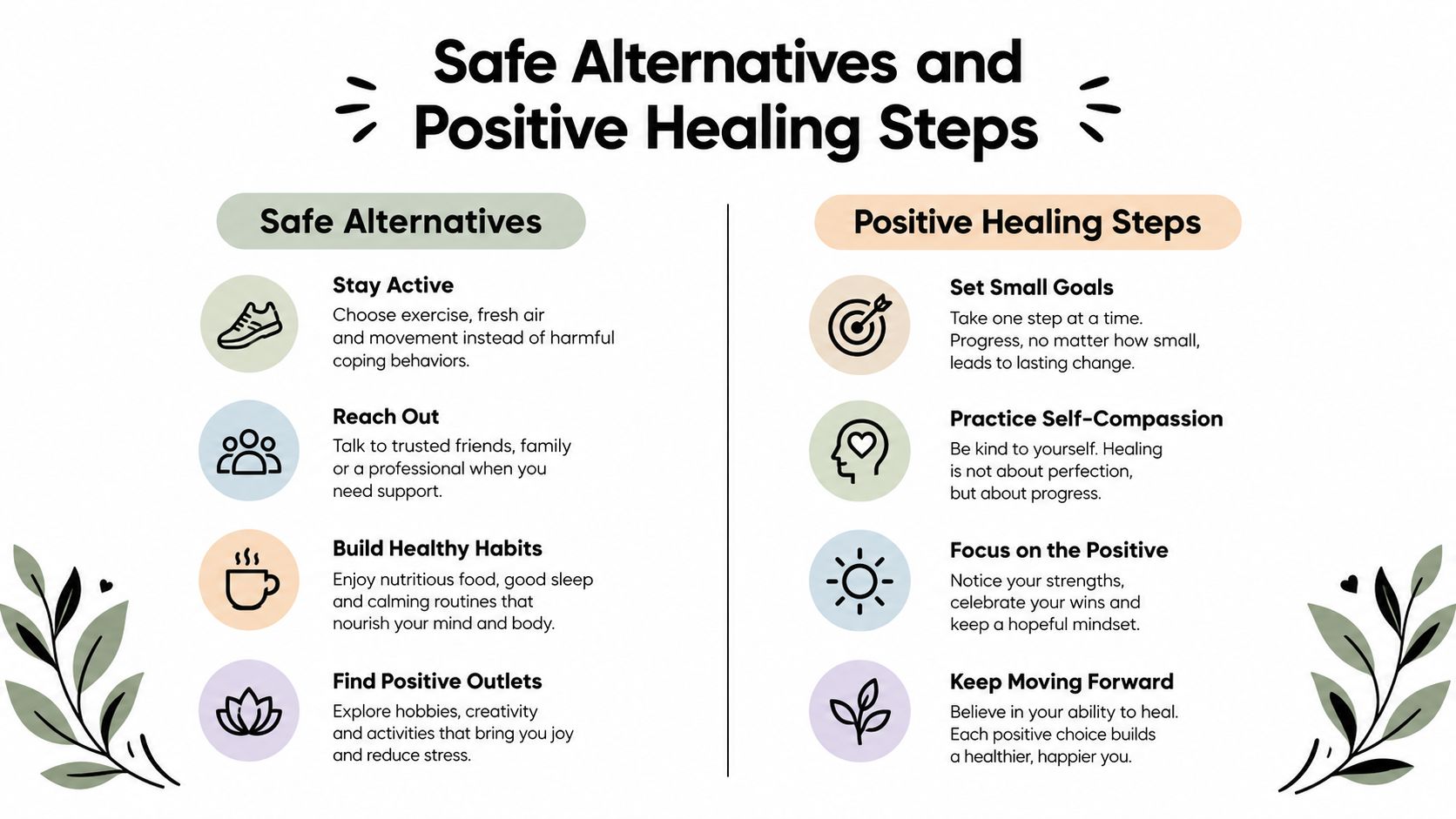
Good aftercare isn't passive. You're giving the skin a calm environment while your immune system clears the fragments created by the laser. The safest routine is deliberately unglamorous: clean, cool, dry, protected, and free from unnecessary products.
Safe aftercare includes avoiding direct heat, using cool water with gentle soap, and keeping the area clean and dry to support natural healing and ink elimination, according to practical tattoo aftercare guidance.
Replace risky habits with protective ones
- Clean gently: Wash with cool or lukewarm water and a gentle, fragrance-free cleanser. Pat dry rather than scrubbing.
- Reduce friction: Choose loose, soft fabric, especially where waistbands, straps, socks, or sleeves could rub the treatment site.
- Use only approved ointment: Apply the product and dressing recommended by your practitioner in the instructed amount. More product isn't automatically better.
- Support recovery: Stay hydrated and return to ordinary activity only when the skin can tolerate it without heat, sweat, or rubbing.
- Track changes: Take clear photos under similar lighting so you can describe healing accurately if you need to contact the clinic.
Between sessions, patience is part of the treatment. The laser creates the fragments, but your body handles the gradual transport and removal. For more perspective on reaching clear skin after tattoo removal, focus on consistent protection rather than trying to accelerate healing with exfoliants, aggressive massage, or unapproved home remedies.
EradiTatt Tattoo Removal offers personalized laser tattoo removal and fading plans, with aftercare guidance adjusted for tattoo characteristics, skin type, and healing needs. Visit EradiTatt Tattoo Removal to discuss your treatment goals and schedule a consultation before your next session.
One Response