
If you are searching does laser tattoo removal hurt Tampa, you are not looking for a sugar-coated answer. You may have a tattoo tied to an old relationship, a job change, a cover-up plan, or a version of yourself that no longer fits. The common hold-up is usually the same question: how bad is it going to feel?
The honest answer is simple. Yes, laser tattoo removal can hurt, but the sensation is short, predictable, and manageable for many individuals. What matters more than the word hurt is what the treatment feels like, where your tattoo sits, how your skin responds, and what your clinic does to keep you comfortable before, during, and after each appointment.
In Tampa, that last part matters more than people think. Heat, sweat, sun, and daily movement all affect how skin feels after treatment. A good laser session is not just about firing the laser. It is about cooling, timing, aftercare, and making smart choices for Florida skin.
Your Guide to Tattoo Removal Pain in Tampa
A lot of Tampa clients come in halfway committed. They want the tattoo gone, or at least faded enough for a cleaner cover-up, but they keep putting off the first session because they are bracing for something unbearable.
Often, the apprehension is worse than the actual experience.
Some people expect a long, dragging procedure like getting tattooed in the first place. That is not what removal feels like. Discomfort comes in quick bursts, and the session itself is often over much faster than people expect. For many tattoos, the biggest relief comes once they realize they are not signing up for hours in the chair.
What people are asking
When someone asks if laser removal hurts, they are asking a few different things at once:
- Can I handle it
- Will it hurt more than getting the tattoo
- Does the pain linger after I leave
- Is there anything that helps
Those are the useful questions. They lead to practical answers instead of vague reassurance.
The Tampa-specific part
Tampa clients also deal with things people in cooler climates do not think about as much. Sun exposure is harder to avoid. Clothing can rub treated skin. Sweat and outdoor activity can make irritated skin feel more noticeable. That does not make removal a bad idea. It means comfort depends on more than the laser itself.
Tip: The right plan is not only about removing ink. It is also about choosing timing, cooling, and aftercare that fit real life in Florida.
If you want a straight answer, here it is. Laser tattoo removal is uncomfortable, but for many clients it is tolerable, brief, and easier to get through than they expected.
What Laser Tattoo Removal Feels Like
You sit down for your first session, the laser starts, and the first reaction is usually the same. "Okay, that is sharp, but it is over fast."
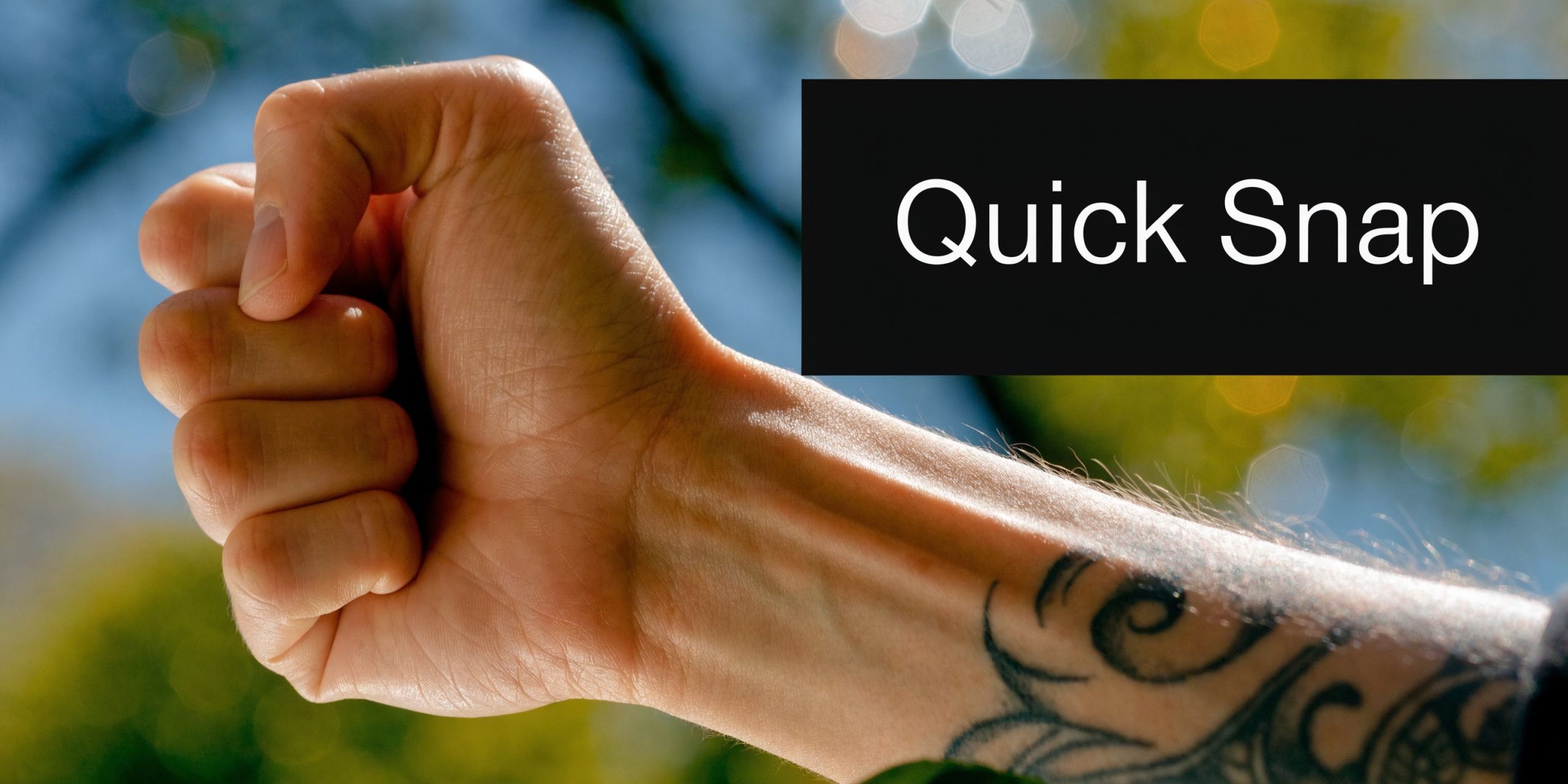
The closest everyday comparison is a rubber band snapping against the skin or a hot stinging zap. It feels quick, concentrated, and repetitive rather than broad or constant. That distinction helps. Clients in Tampa often come in expecting a drawn-out, burning sensation, and that is usually not what they experience.
The feeling comes in pulses
Each laser pass delivers short bursts of energy into the ink. You feel a series of quick zaps, not one long wave of pain. For many clients, that makes the treatment easier to handle mentally because there is a clear rhythm to it. The sensation starts, stops, and moves along.
At EradiTatt, that pattern matters because comfort is not only about pain level. It is also about pacing, cooling, and knowing when a client needs a brief pause so the session stays manageable.
The session is often shorter than people expect
Removal usually takes far less chair time than getting the tattoo did. A small piece may be treated in just a few minutes. Larger or more detailed tattoos take longer, but the actual laser time is still brief compared with a tattoo appointment.
A practical comparison helps:
| Experience | Typical feel |
|---|---|
| Getting tattooed | Longer period of repeated irritation and vibration |
| Removing a tattoo | Short, sharp pulses in a much shorter visit |
That shorter treatment window changes the experience. Even clients who describe the laser as intense often say the speed of the session makes it easier to get through.
The sensation changes by body area
The same laser can feel very different depending on where the tattoo sits. Areas with less padding, like the ribs, ankles, hands, or fingers, usually feel sharper. Fleshier areas like the upper arm, thigh, or calf are often easier to tolerate.
That is one reason a good consultation matters. In Tampa, we also plan around real-life comfort after the session, especially if the treated area will be under tight clothing, exposed to heat, or irritated by sweat on the drive home.
Key takeaway: Laser tattoo removal feels sharp and fast. With the right cooling, pacing, and aftercare plan for Florida conditions, it is usually more manageable than clients feared before they walked in.
Factors That Influence the Sensation
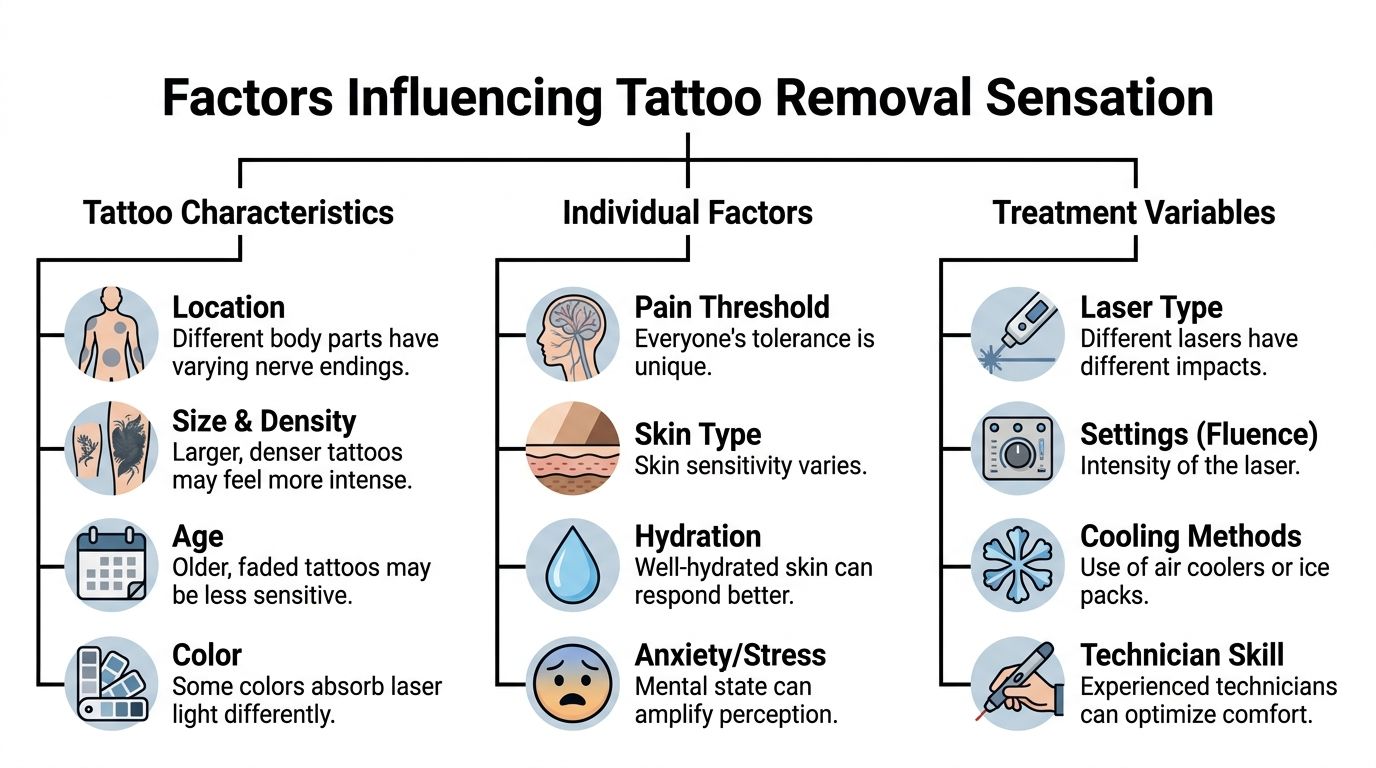
Two people can treat tattoos of similar size and have different experiences. That is normal. Pain is shaped by the tattoo, the person, and the treatment setup.
Tattoo details matter
A small, lightly packed tattoo feels different from a dense professional piece with multiple colors. More ink means more work for the laser and more cumulative sensation over time.
A large prospective study on Q-switched laser tattoo removal found adverse effects in 6.2% of patients, and it also noted that black ink clears faster than yellow or light blue, which changes how many treatments a tattoo may need over the full course of removal, according to the study published on PMC.
That affects discomfort in a practical way. A tattoo that needs more sessions is not necessarily more painful in one visit, but it can mean more total treatment exposure.
Location changes everything
Bonier areas feel sharper. Fleshier areas tend to be more forgiving.
Here is a quick way to think about common patterns:
Higher sensitivity
Ribs, ankles, fingers, hands, wrists, spine, feet, and similar areas with less paddingLower sensitivity
Upper arms, thighs, shoulders, calves, back, and buttocks
Personal factors count too
Two clients with the same tattoo on the same body part still may not react the same way.
Some of the biggest variables are:
Pain threshold
Some people are less bothered by quick sharp sensations.Stress level
Anxiety can make every zap feel bigger.Skin condition that day
Irritated, sun-exposed, or dry skin can feel more reactive.General readiness
Good rest, hydration, and following pre-visit guidance can make the session feel more manageable.
Treatment choices influence comfort
The laser type, settings, cooling method, and the technician’s judgment all shape the experience. This is one reason consultations matter. The plan should match the tattoo, not force every tattoo into the same approach.
Practical point: When clients say they heard tattoo removal “hurts,” they are often repeating someone else’s experience with a different tattoo, a different body area, older technology, or weak comfort support.
That is why a blanket answer never helps much. The better question is not “does it hurt?” It is “what is likely to affect my treatment, specifically?”
How We Maximize Your Comfort During Treatment
The biggest mistake clinics make is treating discomfort like an afterthought. Comfort has to be built into the session itself.
Cooling works better than people expect
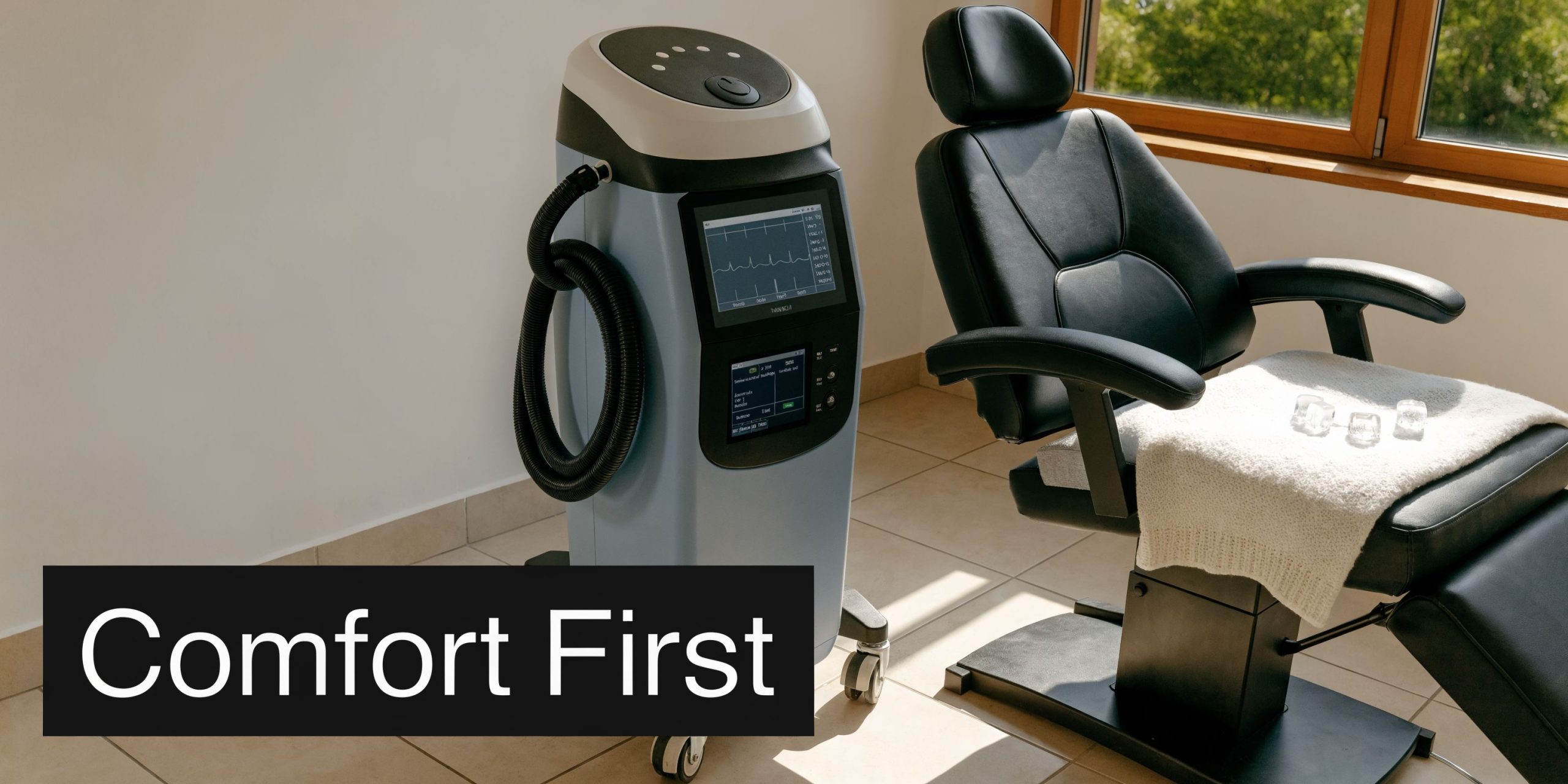
A lot of people ask first about numbing cream. It can help some clients at the surface level, but it is not the whole answer. The reason is straightforward. The laser is targeting ink deeper in the skin, and topical creams often do not reach that depth enough to change the entire sensation.
EradiTatt uses the Zimmer Cryo chiller, which blows -30°C air onto the skin to cool it effectively without weakening the laser’s power, as explained in its guidance on ways to manage pain during laser tattoo removal.
That active cooling matters in Tampa. It helps before the pulse, during the pulse, and immediately after.
What works and what has limits
Honesty matters most here.
Helpful options include:
- Cold air cooling that keeps the skin calmer during treatment
- Clear pre-appointment instructions so skin is not already irritated
- Pacing the session based on tattoo location and client response
- Simple topical support when appropriate
Less reliable options include:
- Assuming all numbing creams solve the problem
- Showing up after sun exposure
- Ignoring aftercare because the session was short
For people curious about how a topical product is meant to work at the skin level, this overview of numbing cream with lidocaine is a useful primer. It helps set realistic expectations before you rely on cream alone.
Why the setup matters
Modern treatment is not about trying to “tough it out.” It is about controlling what can be controlled.
That means using the right laser platform, cooling aggressively, and adjusting treatment thoughtfully. In practice, comfort usually improves when the technician pays attention to the tattoo’s location, how the skin is reacting, and whether the client needs short pauses.
Takeaway: The most effective comfort plan is usually layered. Cooling first, smart settings, good communication, and realistic expectations beat wishful thinking about one miracle pain fix.
What to Expect Session by Session
You walk in knowing the tattoo has to go, but the part that usually raises your heart rate is not the laser itself. It is not knowing how the appointment will unfold. Once clients see the rhythm of a session, they usually settle down fast.
Before the laser starts
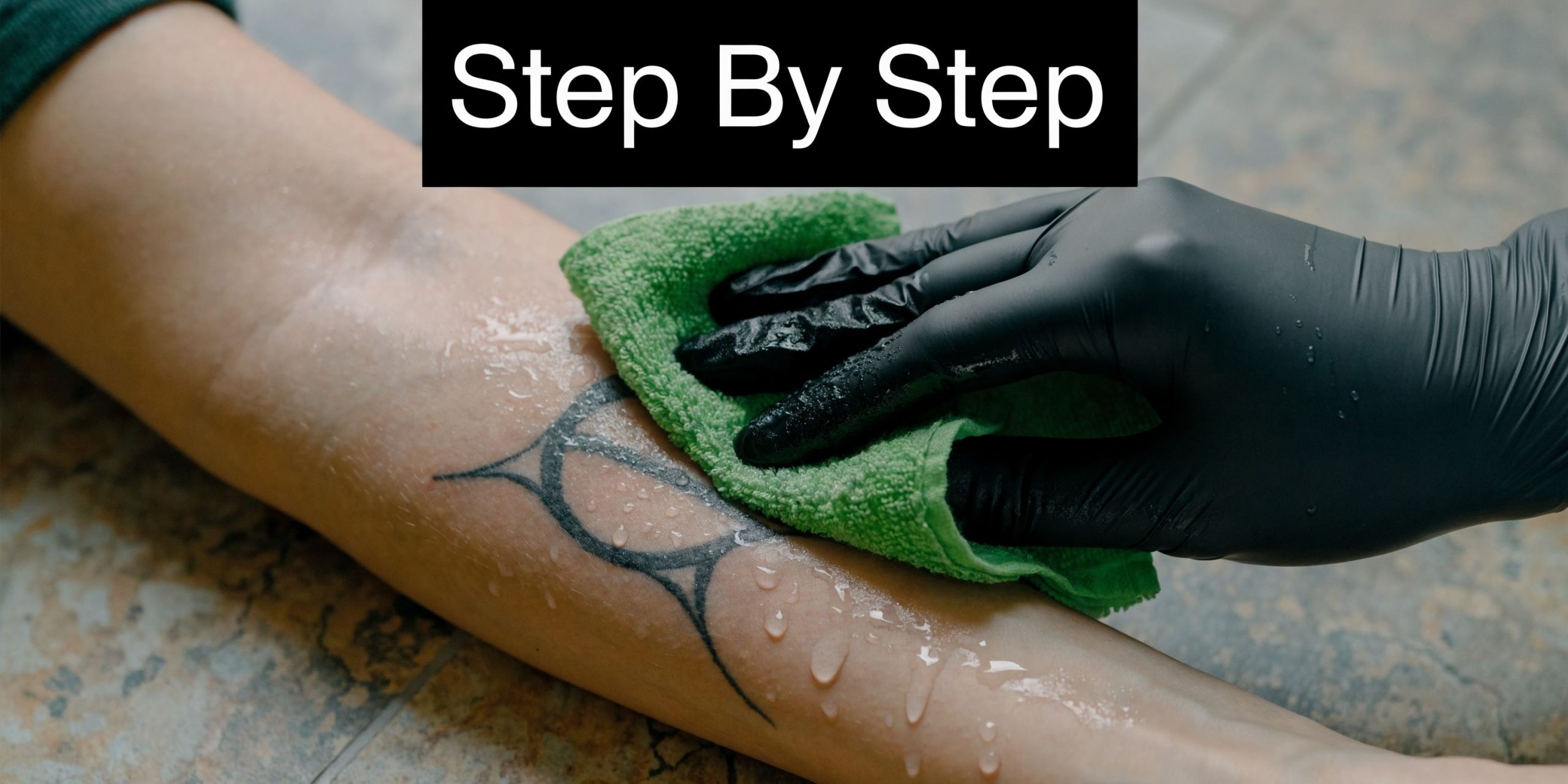
Each visit begins with a quick skin check. I look at how the area healed from the last session, whether there is any irritation, and whether recent sun exposure could make treatment less comfortable. That matters in Tampa, where even routine driving or a weekend outside can leave skin warmer and more reactive than clients realize.
The area is then cleaned and set up for treatment. If this is your first appointment, a first laser tattoo removal session walkthrough helps you see the flow before you come in, which tends to lower a lot of the anxiety.
During the treatment
The treatment itself is brief. The sensation comes in short, concentrated bursts, then stops. Clients often describe it as a fast series of hot snaps, with certain spots feeling sharper than others depending on how close the tattoo sits to bone or thinner skin.
At EradiTatt, comfort comes from how the session is handled, not from pretending the laser feels like nothing. Good cooling, controlled pacing, and adjusting the approach based on the tattoo's location make a real difference. That is especially helpful with larger pieces or tattoos in tender areas where a few short breaks can keep the session manageable.
You may also see a temporary white, frosted look over the ink right after a pass. That response is expected and usually fades quickly.
Right after the session
Once the laser stops, the sharp snapping feeling stops too. What remains is usually more like heat and surface irritation. Clients in Tampa often compare it to a fresh sunburn, especially on areas that rub against clothing on the drive home.
A few common reactions are normal:
| Right after treatment | What it usually means |
|---|---|
| Whitening | A short-lived skin response after the laser pass |
| Mild swelling | Temporary inflammation as the skin reacts |
| Tenderness | The area may feel warm, tight, or sensitive |
If the treated spot sits on the forearm, ankle, chest, or another area that catches sun regularly, aftercare becomes more important. Florida heat and UV exposure can make healing feel more noticeable, so clients do better when they plan ahead for loose clothing, shade, and simple skin protection. Some also like reading about natural sunburn relief methods because the overlap in soothing irritated skin can be useful after treatment.
Between sessions
Removal happens in stages. The laser breaks the ink into smaller particles during the appointment, then your body clears that material gradually over the following weeks. That waiting period is part of the process, not a sign that anything was missed.
The best way to judge progress is to look at healing, fading, and how the skin responds from one visit to the next. In a Tampa clinic, that also means paying attention to sun exposure between sessions, because skin that stays calm usually handles the next treatment more comfortably.
Managing Comfort After Your Tampa Session
Aftercare is where Tampa weather starts to matter. Heat, humidity, and year-round sun can turn a manageable recovery into an annoying one if you get careless.
Protect the skin from friction and heat
Freshly treated skin does not like rubbing, soaking, or overheating. If the tattoo sits under tight clothing, backpack straps, waistbands, or work gear, expect that area to feel more noticeable.
A few simple habits help:
- Wear looser clothing over the treated area when possible
- Skip pools and soaking while the skin is healing
- Avoid high-pressure showers directly on the area
- Leave scabs or irritated skin alone instead of picking
Sun care is not optional in Tampa
Post-treatment care is especially important in Tampa because the high UV index can increase pain and hyperpigmentation risk. Proper aftercare includes avoiding pools and high-pressure showers, and using SPF 50+ consistently during the 12-week intervals between sessions, according to Doctor Plastic Surgery’s aftercare guidance for laser tattoo removal.
That is not a minor detail. Sun-exposed treated skin can stay irritated longer and become harder to manage.
If you are also looking for gentle skin-soothing ideas that overlap with sun-stressed skin care, this overview of natural sunburn relief methods offers practical ideas worth reviewing.
Keep aftercare simple
You do not need a complicated routine. You need a disciplined one. Following a clear aftercare plan after laser tattoo removal usually does more for comfort than constantly changing products.
In Tampa, the best aftercare rule is easy to remember: cool, clean, covered from the sun, and left alone to heal.
Frequently Asked Questions About Removal Pain
Is laser tattoo removal more painful than getting a tattoo
Usually, people say the treatment is sharper but much shorter. That difference matters. A brief series of zaps is easier for many clients to tolerate than sitting through a long tattoo session.
Do smaller tattoos hurt less
Not always in a dramatic way. Smaller tattoos usually mean a shorter session, which many clients appreciate. But if that tattoo is on a sensitive spot like a finger or ankle, it can still feel intense while it is being treated.
Does black ink hurt more than colored ink
The feeling during one session is not only about color. Color matters more in how the tattoo responds over multiple visits. Black ink clears faster than stubborn shades, which can make the overall process more straightforward across the full treatment course, as noted earlier.
Can I use numbing cream before my appointment
Sometimes, but it helps to be realistic about what it can and cannot do. Topical products may dull the surface somewhat, but they do not always change deeper discomfort in a big way. Cooling methods are often more useful during the actual session.
What does the skin feel like after treatment
Many people compare it to a sunburn. The snap-like feeling is during the laser pass. Afterward, the area is more likely to feel warm, tender, or slightly swollen for a period of time while the skin settles.
What if I am nervous about the pain
That is normal. The best thing you can do is say so before the treatment starts. Anxiety can make the session feel worse than it needs to. When the plan includes cooling, good pacing, and clear communication, many clients handle the appointment well.
Is fading for a cover-up easier than full removal
Often, yes. If your goal is lightening the tattoo enough for new artwork instead of clearing every trace of ink, the process can feel more manageable because the endpoint is different.
If you want clear answers about your tattoo, your skin, and what the process is likely to feel like in real Tampa conditions, schedule a consultation with EradiTatt Tattoo Removal. A good consult should tell you what will affect comfort, what can be done to reduce it, and whether full removal or fading makes more sense for your goal.